
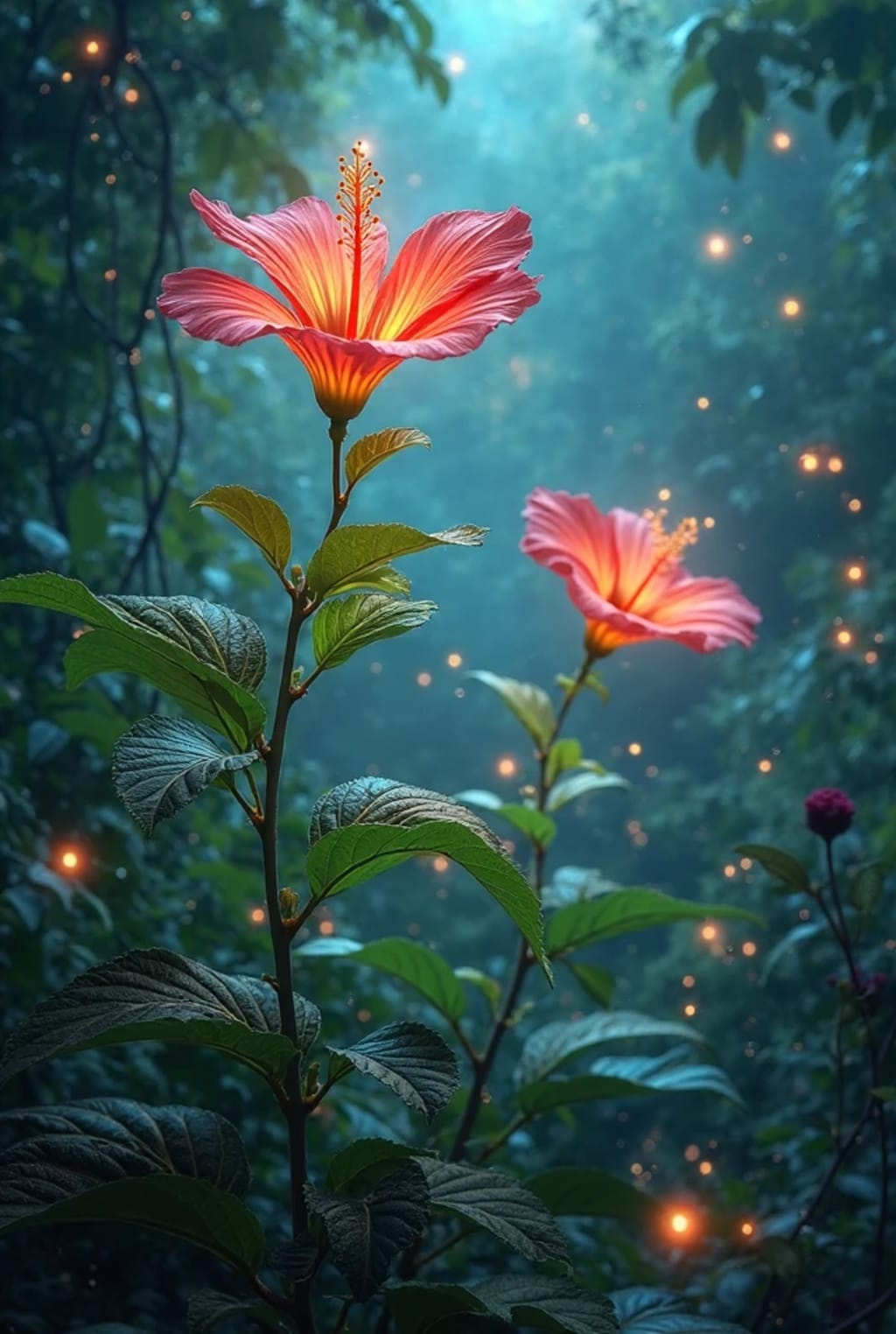
Among the many blossoms that grace the world’s gardens, few are as vibrant and captivating as the hibiscus. With its bold petals and tropical allure, the hibiscus isn’t just a flower — it’s a statement of strength, beauty, and life itself.
Native to warm, tropical regions, the hibiscus (scientifically known as Hibiscus rosa-sinensis) thrives in sunlight and heat, unfurling its large, trumpet-shaped petals in shades of red, pink, orange, yellow, and white. It is often seen as a symbol of delicate beauty and fleeting moments, as most varieties bloom for just one day yet leave a lasting impression.
In cultures around the world, the hibiscus holds deep symbolic meaning. In Hawaiian tradition, wearing a hibiscus behind the ear conveys love and femininity. In India, red hibiscus flowers are offered to deities like Kali and Lord Ganesha, representing divine energy and devotion. In China, the flower stands for personal glory and fame. These rich cultural ties have turned this tropical blossom into a symbol of inner power and grace.
Beyond its ornamental value, the hibiscus is also cherished for its medicinal and cosmetic uses. The dried petals are often brewed into hibiscus tea — a tangy, ruby-red drink known to help lower blood pressure, improve skin health, and refresh the body. In many skincare traditions, hibiscus extracts are used to hydrate, exfoliate, and rejuvenate the skin.
Hibiscus plants also play a key role in the garden ecosystem. Their nectar-rich blooms attract bees, butterflies, and hummingbirds, supporting local pollinators and adding a sense of life and motion to any landscape.
There are many varieties of hibiscus, such as
🌸 Tropical Hibiscus (Hibiscus rosa-sinensis): Bright and lush, perfect for warm climates.
🌼 Hardy Hibiscus (Hibiscus moscheutos): Grows in temperate zones and produces massive flowers.
🌺 Rose of Sharon (Hibiscus syriacus): A popular flowering shrub with long-lasting blooms.
🌱 Beauty with Benefits
More than just a visual delight, the hibiscus has healing properties too. Its petals are used in teas and skincare for their cooling, anti-inflammatory, and antioxidant qualities.
A cup of hibiscus tea is not only refreshing — it's good for your heart and skin.
The Cultural and Symbolic Impact of Hibiscus
The hibiscus holds deep cultural significance in many regions around the world. In China, it is often associated with fame, glory, and personal success. Meanwhile, in Polynesian cultures, the flower is not just decorative — it is a living language. A hibiscus worn on the left ear indicates the wearer is in a relationship, while one worn on the right means they are single and available. In India, red hibiscus is sacred to the goddess Kali, representing fierce love and inner strength.
One of the most intriguing aspects of the hibiscus is its role in natural dye and food. In some cultures, the petals are used to create natural red dye. In parts of Africa and the Caribbean, hibiscus is a key ingredient in refreshing drinks like sorrel or bissap, enjoyed during festive seasons.
In gardening, hibiscus plants are favored for their low maintenance and high visual impact. With regular watering and full sunlight, they bloom profusely throughout the warmer months. Gardeners love them not only for their appearance but for how they attract pollinators and enhance biodiversity in outdoor spaces.
From gardens to tea cups, and temples to runways, the hibiscus continues to bloom — beautifully, boldly, and meaningfully.
✨ The Floravelle Thought
At Floravelle, we believe every flower tells a story. The hibiscus reminds us to embrace brightness, blossom boldly, and stand tall, even if only for a moment.
So next time you pass a hibiscus, pause — and let it speak to your spirit.It’s easy to admire a flower in full bloom, but we often forget what it takes to get there. First, there are roots—quiet, unseen, digging deep. Then the stem rises, then the leaves stretch, and only after all that comes the bud, and finally, the bloom.
About the Creator
Nazma
Nature lover and flower storyteller, I write to inspire growth, resilience, and beauty in everyday life. Bloom with me through words rooted in hope and petals of purpose.
Keep reading
More stories from writers in Education and other communities.
How Toys Shape Young Minds and Inspire Lifelong Learning
Toys aid in development by providing children with the opportunity for exploration, stimulus for creativity and development of life skills. While playing with toys from infancy, children develop cognitively and emotionally. Toys have not only been used as objects of play and amusement, but also as a tool for imagination, exploration, and emotional development. The toy industry has had to adapt and grow with new educational models, innovations in design, and interactivity to meet children's modern developmental needs. By today, toys are not only for entertainment, they also carry the potential to shape how children think and interact with the world.
By Rohit Shah6 days ago in Education
Maximize Efficiency With 3D Animation Outsourcing Today
Deadlines are getting tighter. Budgets are under pressure. Creative expectations keep rising. Many studios, agencies, and product teams feel the squeeze when animation projects pile up faster than in-house resources can handle. That’s where 3D Animation steps in as a powerful production tool, one that doesn’t have to drain your time or team when handled strategically. By outsourcing the right way, companies unlock speed, flexibility, and consistent quality without sacrificing creative control.
By Lily Noblet3 days ago in Education
Instructions Included Challenge Winners
For the Instructions Included challenge, we asked writers to tell a story through instructions and to trust the form to carry what could not be said outright. Across the top entries, that trust paid off in many different ways.
By Vocal Curation Team5 days ago in Resources




Comments
There are no comments for this story
Be the first to respond and start the conversation.