
Helping a Child Find Their Voice: A Parent and Teacher’s Guide to Selective Mutism
Learn how parents and teachers can guide children with selective mutism toward confidence and calm communication. Discover gentle ways to help them find their voice.

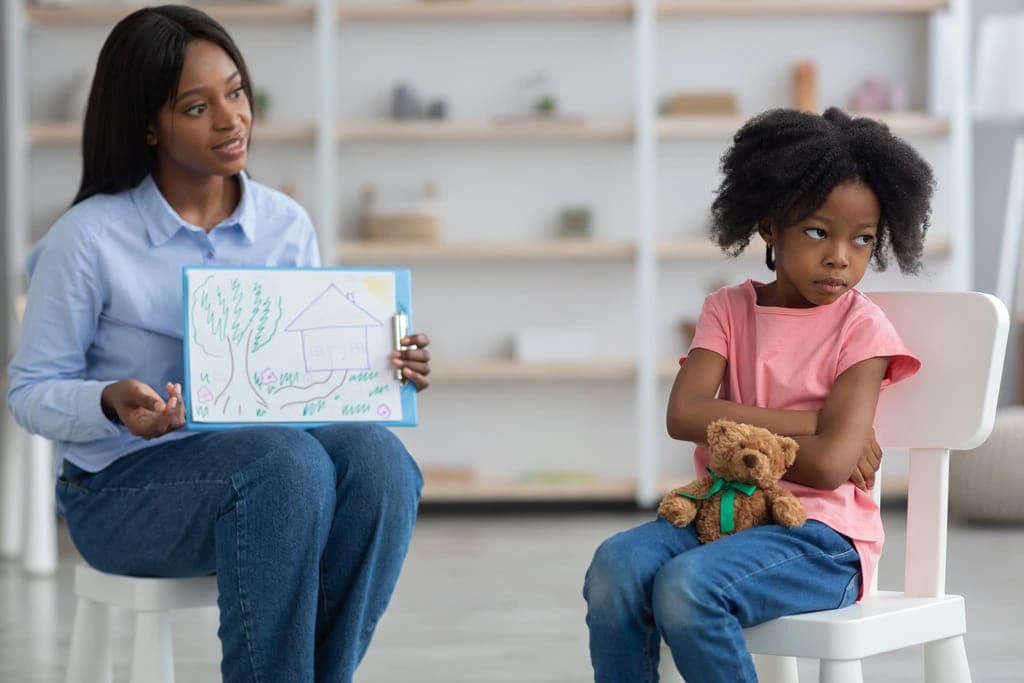
When a child refuses to speak, many people assume it’s shyness or stubbornness. But for some children, silence is not a choice it’s a struggle.
Selective mutism is a condition that can make even the simplest words feel impossible to say. It doesn’t mean a child doesn’t want to talk; it means they can’t, especially in certain social settings.
As a parent or teacher, watching a child go silent can feel heartbreaking and confusing. But there is hope. With patience, teamwork, and understanding, children with selective mutism can slowly rediscover their voice and confidence.
This story explores how parents and teachers can work together to guide a child through selective mutism one gentle step at a time.
What Is Selective Mutism?
Selective mutism is an anxiety disorder where a child speaks freely in comfortable settings, like at home, but becomes silent in others often at school or around unfamiliar people.
It’s not defiance. It’s fear. The silence comes from overwhelming anxiety, not a lack of ability or desire to communicate.
For example, a child may talk, laugh, and play normally with parents, but freeze when a teacher asks a simple question in class. This sudden quietness can last for months or even years if not handled with care.
Recognizing the Signs Early:
Early understanding can make a huge difference.
Parents and teachers should look for common signs like:
• Speaking only to certain people or in certain places
• Avoiding eye contact when expected to talk
• Using gestures or nods instead of speech
• Appearing frozen or panicked when asked to speak
• Speaking easily at home but staying silent in public
Many children are misjudged as “rude” or “disobedient,” when in fact, they’re battling intense fear. Recognizing that difference changes everything.
The Role of Parents: Building Safety at Home
For parents, the first step is to create emotional safety not pressure.
Children with selective mutism already feel internal stress. Constantly asking them to “just say something” can make the anxiety worse. Instead, focus on gentle encouragement and emotional warmth.
Here’s what helps:
• Stay calm and patient. Silence isn’t failure it’s part of the process.
• Praise effort, not speech. A smile, a nod, or eye contact are progress.
• Avoid comparing. Every child’s pace is different.
• Use play and creativity. Drawing, role-playing, or storytelling can help children express themselves without pressure.
Sometimes, a child starts speaking again when they realize they’re loved even in silence.
The Role of Teachers: Creating a Safe Classroom
Teachers play a powerful role in helping children with selective mutism feel understood.
The classroom can be intimidating many eyes watching, many voices speaking. To a child with anxiety, it can feel like a stage they never wanted to be on.
Teachers can help by:
• Giving the child quiet space and time to adjust.
• Avoiding forced participation. Instead, let communication happen naturally.
• Pairing the child with friendly classmates for small group activities.
• Allowing alternative communication methods pointing, writing, or using visual cards.
• Celebrating small milestones, like a whisper, a smile, or a nod.
The goal isn’t instant speech it’s comfort. Speech will follow once trust is built.
Working Together: Parent-Teacher Communication
Children thrive when the adults around them work as a team.
Regular communication between parents and teachers ensures that progress is noticed and consistent. For example, if a child speaks a word at home, a teacher can gently reference it at school to reinforce that confidence.
Parents and teachers should share:
• What triggers silence
• Which methods help the child feel calm
• Signs of progress (even small ones)
This teamwork builds a bridge between home and school, helping the child feel understood everywhere.
Professional Support: When to Seek Help
If silence continues for several months, professional guidance can make a real difference.
Child psychologists, speech therapists, or behavioral specialists can help identify the roots of anxiety and design personalized strategies.
Therapies like Cognitive Behavioral Therapy (CBT) or play therapy often help children gradually face fears in a supportive environment.
The earlier the intervention, the better the outcome.
Real-Life Example: Finding Small Victories
Imagine a little girl named Sara.
At home, she sings, laughs, and tells stories.
At school, she stays silent even during playtime.
Her teacher stops calling on her in front of the class but gives her a small task handing out papers. Sara doesn’t have to talk, but she participates.
Over weeks, her teacher smiles and thanks her softly each time.
Sara nods. Then, one day, she whispers, “You’re welcome.”
That one whisper is everything.
It’s the first sign of trust, and trust is the first step toward speech.
What Parents Should Avoid?
Sometimes, well-meaning actions can make things harder. Parents should avoid:
• Forcing a child to speak (“Say hi or I’ll be upset”)
• Showing frustration or disappointment
• Talking about the child’s silence in front of them
• Labeling them as “shy”
Children with selective mutism hear everything and internalize it deeply. A calm and accepting environment tells them they’re safe to be themselves.
Patience Is the Real Cure
Progress is slow but steady:
A few weeks may bring small changes, like a soft whisper or a short sentence. Some days may seem like steps backward but that’s normal.
Selective mutism isn’t cured overnight. It’s healed through trust, repetition, and compassion. Every smile, every kind word, and every moment of patience becomes part of the healing process.
Encouraging Confidence Beyond Words:
Even when a child isn’t speaking, they can still express themselves through:
• Art and drawing
• Music or rhythm games
• Reading aloud together in private
• Role-playing or puppet shows
The goal is not only speech it’s confidence. Once children feel emotionally safe, their words will follow naturally.
Hope for the Future:
Children with selective mutism can and do find their voices again.
Many grow up to speak freely, lead confidently, and help others understand what it feels like to live with silence.
As adults, they often describe one thing that made the difference someone who believed in them even when they couldn’t speak.
That belief changes everything.
Conclusion: Silence Is Not the End of the Story
Selective mutism may begin with silence, but it doesn’t have to stay that way.
When parents and teachers come together with understanding and patience, children learn that their voice matters not because they’re pushed to speak, but because they’re supported to feel safe.
Every child deserves to be heard, even if it starts with a whisper.
About the Creator
Zeenat Chauhan
I’m Zeenat Chauhan, a passionate writer who believes in the power of words to inform, inspire, and connect. I love sharing daily informational stories that open doors to new ideas, perspectives, and knowledge.
Keep reading
More stories from Zeenat Chauhan and writers in Education and other communities.
Title: Villanova University 2025, Campus Life, Ranking & Scholarships:
Rankings, literacy & Campus Life Guide Choosing the right university is more than just looking at rankings or education freights, it’s about choosing a place where you can grow, belong, and thrive. Villanova University has become one of the most sought-after institutions in the U.S., offering a blend of strong academics, vibrant lot life, and opportunities for literacy.
By Zeenat Chauhan4 months ago in Education
US Urges Its Citizens to Flee Venezuela Amid Reports of Paramilitaries
The United States has issued a strong warning urging its citizens to immediately leave Venezuela, citing growing security risks and alarming reports of armed paramilitary groups operating across the country. The advisory, released by the US State Department, reflects escalating concern over the deteriorating safety situation as political instability, armed violence, and lawlessness intensify.
By Aarif Lashari7 days ago in Education




Comments
There are no comments for this story
Be the first to respond and start the conversation.