

OBESITY
Obesity is a significant public health issue worldwide, affecting both developed and developing countries. According to the World Health Organization (WHO), the global prevalence of obesity has tripled since 1975. In 2016, over 1.9 billion adults were overweight, of which more than 650 million were obese.
The prevalence of obesity varies across regions and countries, with some countries experiencing a higher burden than others. In 2016, the highest age-standardized obesity prevalence in adults was observed in the Americas (27%), followed by Europe (23%), and the Eastern Mediterranean (22%). The lowest obesity prevalence was seen in Southeast Asia (4.7%).
Childhood obesity is also a growing problem worldwide. In 2016, an estimated 41 million children under the age of five were overweight or obese. The prevalence of overweight and obesity in children has also increased significantly in recent years, particularly in low- and middle-income countries.
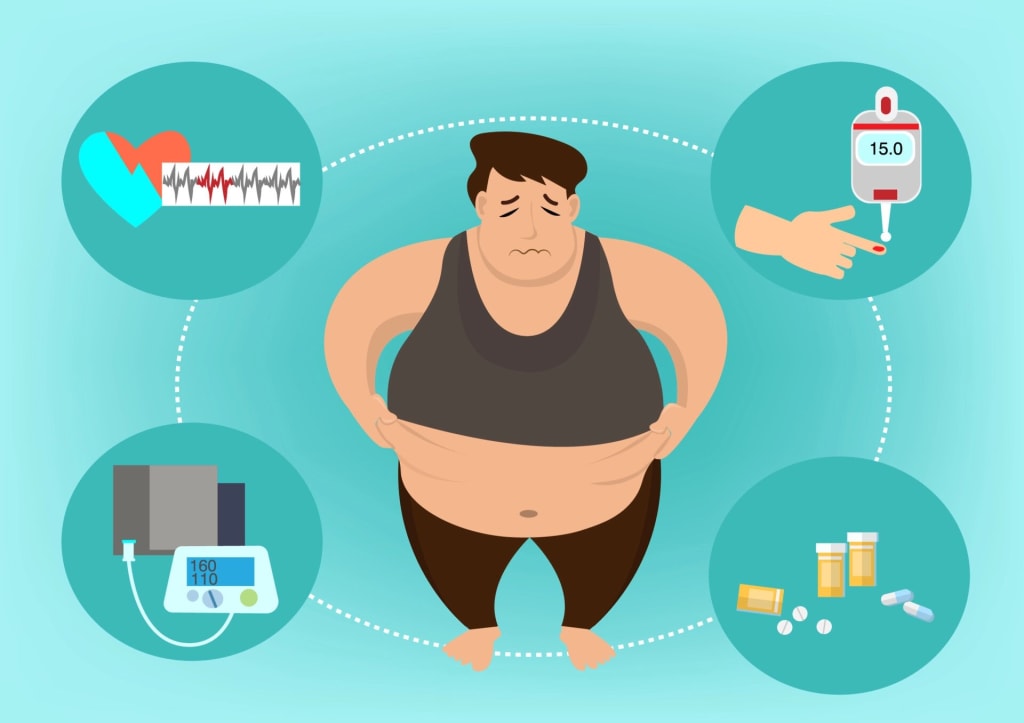
Obesity is a major risk factor for many chronic diseases, including type 2 diabetes, heart disease, stroke, and certain cancers. It is associated with significant health and economic burdens and has become a major global public health challenge.
Obesity is a medical condition characterized by excess body fat that has accumulated to the extent that it may have an adverse effect on health. It is typically defined in terms of body mass index (BMI), which is a measure of weight in relation to height. A BMI of 30 or higher is generally considered to indicate obesity.
Obesity is a major public health concern worldwide, and it is associated with a range of health problems, including type 2 diabetes, heart disease, stroke, high blood pressure, sleep apnea, certain cancers, and other chronic illnesses. The causes of obesity are complex and include a combination of genetic, environmental, and behavioral factors. Some of the contributing factors to obesity include poor diet, sedentary lifestyle, genetic factors, certain medications, and underlying medical conditions.
Prevention and treatment of obesity involve a range of strategies, including adopting a healthy diet, increasing physical activity, and behavior modification. In some cases, medication or surgery may be recommended. It is important to address obesity early on as it can lead to severe health complications and reduce overall quality of life.
How can we avoid obesity ?
There are several ways to avoid obesity and maintain a healthy weight:
Follow a healthy diet: A healthy diet that is rich in fruits, vegetables, whole grains, lean proteins, and healthy fats can help prevent obesity. Avoid consuming high-calorie, processed foods, sugary drinks, and fast food.
Engage in regular physical activity: Regular
There are several ways to avoid obesity, including:
Eating a healthy diet: This means choosing whole, nutrient-dense foods like fruits, vegetables, whole grains, lean proteins, and healthy fats, while limiting processed and sugary foods and drinks.
Engaging in regular physical activity: Exercise helps burn calories and can help prevent weight gain. It's recommended to engage in at least 150 minutes of moderate-intensity aerobic exercise or 75 minutes of vigorous-intensity aerobic exercise per week.
Getting enough sleep: Lack of sleep has been linked to an increased risk of obesity. Adults should aim for 7-9 hours of sleep per night.
Managing stress: Chronic stress can lead to overeating and weight gain. Finding ways to manage stress, such as meditation, yoga, or deep breathing exercises, can help prevent obesity.
Avoiding sugary drinks: Sugary drinks like soda, sports drinks, and energy drinks are a major source of added sugars in the diet and can contribute to weight gain.
Practicing mindful eating: This involves paying attention to hunger and fullness cues, eating slowly, and savoring the flavors and textures of food.
Seeking support: Joining a weight loss or healthy living program, or enlisting the support of family and friends, can provide accountability and motivation to maintain a healthy weight.
Overall, maintaining a healthy lifestyle that includes a balanced diet, regular exercise, adequate sleep, and stress management is key to avoiding obesity.
About the Creator
Keep reading
More stories from writers in Education and other communities.
Cabin Fever Because of Snow, Sleet, and Freezing Rain That Turned to Icy Roads
What Is Cabin Fever? The short answer is that cabin fever is restlessness from being in a confined area. Cabin fever is the distressing irritability or restlessness experienced when a person or group is stuck at an isolated location or in confined quarters for an extended time. Research shows that prolonged cold, gray skies, and being stuck indoors can trigger mood shifts similar to “winter blues.”
By Margaret Minnicksabout 23 hours ago in Humans
A Love Forboding
The chipped stone slope caused unbearable footing. I slid, skirting on my heels. I cast my shield, relinquishing my guard to stay upright. Left with my double-edge and a prayer to the maker, I skated toward my objective. The earthly stubble gave way to solid ground. I found myself restored, a trail of dust in my wake.
By James U. Rizzi2 days ago in Fiction




Comments (1)
Informational thought