
Harnessing the Power of the Seas
Exploring Offshore Wind Farms in the United States
Introduction:
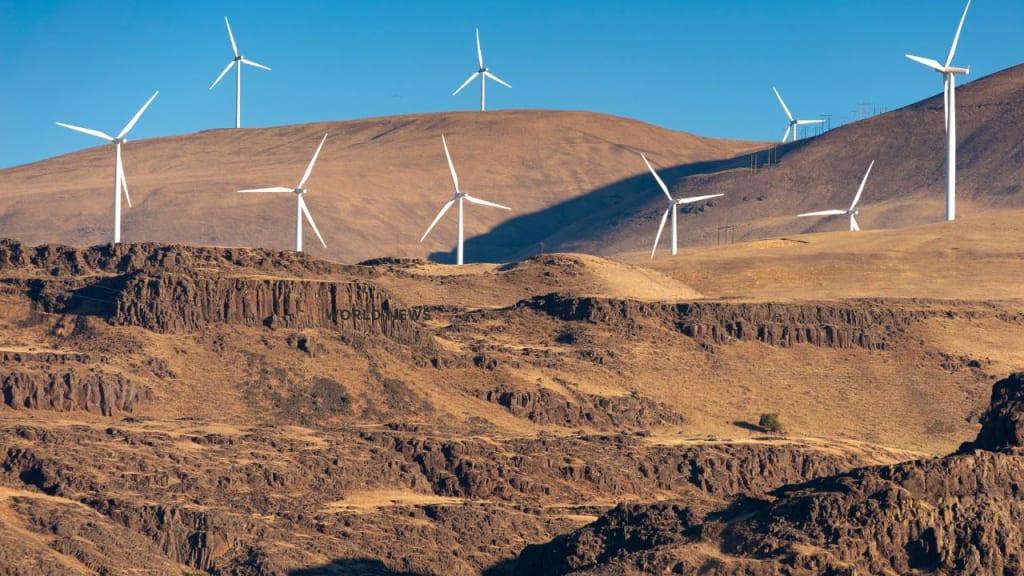
The United States has set ambitious goals to construct up to seven offshore wind farms along its coastlines, with a target of generating 30 gigawatts of offshore wind energy by 2030. This clean energy source has the potential to power over 10 million American homes. While the U.S. ranks second in onshore wind production, it lags behind in offshore wind energy. However, the vast offshore potential across the country presents an opportunity for a significant renewable energy boost. In this article, we'll delve into the factors that make the perfect location for offshore wind farms and discuss the benefits and challenges associated with this renewable energy solution.
The Journey of Offshore Wind Energy:
The concept of wind energy gained popularity after the oil crises of the 1970s, but it took until 1991 for Denmark to build the world's first offshore wind farm off the coast of Vindø. This farm, capable of powering 2,200 homes, was a significant milestone. In the United States, the commercialization of offshore wind energy didn't commence until the Block Island Wind Farm began operating six years ago. Consisting of five towering turbines reaching nearly 600 feet in height, this farm provided a glimpse into the potential of offshore wind energy. The turbines transmit electricity back to the shore through undersea cables, connecting them to the grid.
Offshore vs. Onshore Turbines:
While the technology behind onshore and offshore wind farms is similar, each has its pros and cons. Onshore wind farms are currently the most cost-effective option. They are easier to install and maintain, making them a popular choice. However, geographical limitations pose a challenge. Approximately 60% of the U.S. population resides far from coastal areas, which makes consolidating wind farm energy challenging. In contrast, coastal communities, home to over 128 million people, offer a concentrated demand for wind energy. Transporting electricity over shorter distances benefits offshore wind farms. Additionally, onshore wind farms can be affected by geographic factors such as mountains, hills, and buildings, which create friction and decrease wind speeds. Offshore wind farms, situated in open water, experience stronger and more consistent winds.
The Advantages of Offshore Wind Farms:
One significant advantage of offshore wind farms is their ability to host larger turbines. Offshore turbines are typically taller and more substantial than onshore turbines. Taller turbines harness stronger winds, increasing power generation. For example, GE recently developed an offshore wind turbine reaching over 850 feet in height. However, the Federal Aviation Administration requires extra approval steps for turbines exceeding 499 feet in the U.S. The larger size of offshore turbines improves their cost-effectiveness and power output.
Location Challenges and Considerations:
Finding suitable locations for offshore wind farms presents challenges. While the vast ocean may seem ideal, not all coastlines are equally suitable. Several factors come into play when selecting a location. One consideration is the distance from the coast. Turbines need to be far enough to avoid being an eyesore but close enough to make the transmission of electricity economically viable. Installing underwater power cables for greater distances becomes significantly more expensive. Typically, offshore farms are built within approximately 26 miles of the coastline. Another factor is water depth. Turbines mounted to the seafloor can be installed in water up to 170 feet deep. America's eastern coastline benefits from a shallow continental shelf, while the western Pacific coast quickly reaches depths of 200 to 300 feet. In deeper waters, floating turbines offer the only feasible option.
Challenges and Stakeholder Involvement:
Building offshore wind farms requires extensive studies, including geophysical surveys of the seafloor and wind surveys to assess wind resources. The entire process, from initial studies to construction and installation, can take anywhere from five to ten years. Proposed projects often carry price tags in the billions of dollars. Additionally, engaging with local governments and coastal communities, addressing concerns, and considering the impact on residents and wildlife are crucial steps in the development process. Balancing the needs of renewable energy with the interests of fishing communities and preserving marine ecosystems requires careful coordination and collaboration.
The Potential Benefits:
Despite the challenges, offshore wind farms offer immense benefits in terms of energy conservation and reducing carbon emissions. Just harnessing three percent of the surface area of the Gulf of Maine could power every home in Maine and fuel every car in the future. By utilizing a small portion of the ocean's surface, we can make significant progress in transitioning to renewable energy. Collaboration with the fishing industry is also possible, ensuring that both sectors can coexist and meet the energy needs of society.
Conclusion:
Offshore wind farms hold tremendous potential for the United States to tap into clean, renewable energy sources. While the nation has made significant strides in onshore wind production, offshore wind energy presents new opportunities. Finding suitable locations, considering stakeholder involvement, and addressing technical challenges are crucial steps in realizing the benefits of offshore wind. By embracing this clean energy solution, the U.S. can make significant progress in reducing greenhouse gas emissions, powering homes, and building a more sustainable future.
About the Creator
How Agile Consulting Drives Innovation and Business Resilience
In today’s fast-paced business environment, companies face the constant challenge of adapting to rapidly evolving market conditions, emerging technologies, and shifting customer expectations. Traditional business models and rigid operational structures often struggle to keep up with this level of change. As a result, organizations are increasingly turning to agile consulting as a strategic approach to remain competitive and resilient.
By Scott Gelbardabout 18 hours ago in Education
Purposeful Scaling for a Recognizable Brand in a Growing Market
Business growth can bring excitement and opportunity. Companies often expand to reach new customers, increase revenue, and build a stronger market presence. However, expansion without direction can weaken brand identity. Businesses that grow with a clear strategy are more likely to develop a recognizable brand that customers remember and trust.
By Asad Malika day ago in Education
Worth the Wait: Puerto Viejo, Costa Rica
Beach bumming in a small Caribbean beach town sounded like a perfect way to end our 6-month trip through Mexico and Central America. Or so we thought. The foul, fishy stench of rotten seaweed hit our nostrils as we stepped from the cramped bus and looked out at a rather depressing, empty, and underwhelming black sand beach. It was pouring with rain, and we had to quickly fish out our ponchos. We thought, this couldn’t be it, could it?
By Sh*t Happens - Lost Girl Travel6 days ago in Wander




Comments