
Harnessing AI for Predictive Maintenance in the Maritime Industry
AI for Maritime Maintenance


Introduction
In the maritime industry, ensuring the operational efficiency of ships and port infrastructure is crucial for maintaining smooth and cost-effective operations. However, the traditional approach to maintenance, which is often reactive or based on fixed schedules, can lead to unexpected equipment failures, costly downtime, and inefficient use of resources. Predictive maintenance, powered by artificial intelligence (AI), offers a transformative solution to these challenges by enabling maritime operators to anticipate and address potential issues before they lead to failures. This article explores how AI algorithms are revolutionizing predictive maintenance in the maritime industry, reducing downtime, and cutting maintenance costs.
The Role of AI in Predictive Maintenance
Understanding Predictive Maintenance
Predictive maintenance is a proactive approach that uses data-driven insights to predict when equipment is likely to fail and schedule maintenance activities accordingly. Unlike preventive maintenance, which follows a fixed schedule regardless of the actual condition of the equipment, predictive maintenance relies on real-time data and advanced algorithms to assess the health of machinery and infrastructure.
Example: In a maritime setting, predictive maintenance could involve continuously monitoring the condition of a ship's engine using sensors that collect data on temperature, vibration, and pressure. AI algorithms analyze this data to detect patterns that indicate potential issues, such as an impending engine failure. Maintenance can then be scheduled at the optimal time to prevent a breakdown, reducing unplanned downtime and extending the lifespan of the equipment.
AI Algorithms for Predictive Maintenance
AI algorithms play a central role in predictive maintenance by processing vast amounts of data collected from ships and port infrastructure. Machine learning models, such as regression analysis, neural networks, and decision trees, are used to analyze historical and real-time data to identify patterns and correlations that human operators might miss. These algorithms can predict equipment failures with high accuracy, allowing operators to take preventive measures before a failure occurs.
Example: A neural network model could be trained on historical data from a fleet of ships to learn the relationships between various operating conditions (e.g., engine load, fuel consumption, and ambient temperature) and equipment failures. Once trained, the model can predict the likelihood of failure under current conditions, providing operators with actionable insights for scheduling maintenance.
Benefits of AI-Driven Predictive Maintenance
Reducing Downtime
One of the most significant advantages of AI-driven predictive maintenance is its ability to reduce downtime. By accurately predicting when equipment is likely to fail, operators can perform maintenance during planned downtime or when the ship is in port, rather than dealing with unexpected breakdowns at sea. This proactive approach minimizes disruptions to operations and ensures that ships and port facilities remain operational for longer periods.
Example: A cargo ship equipped with an AI-based predictive maintenance system could avoid a costly engine failure in the middle of the ocean by scheduling maintenance during a routine port visit. This not only prevents delays in cargo delivery but also avoids the high costs associated with emergency repairs and potential towing services.
Cutting Maintenance Costs
Predictive maintenance also leads to significant cost savings by optimizing maintenance schedules and reducing the frequency of unnecessary maintenance activities. Traditional maintenance approaches often result in over-maintenance, where components are replaced or serviced more frequently than necessary, leading to increased costs and wasted resources. AI-driven predictive maintenance ensures that maintenance is performed only when needed, based on the actual condition of the equipment.
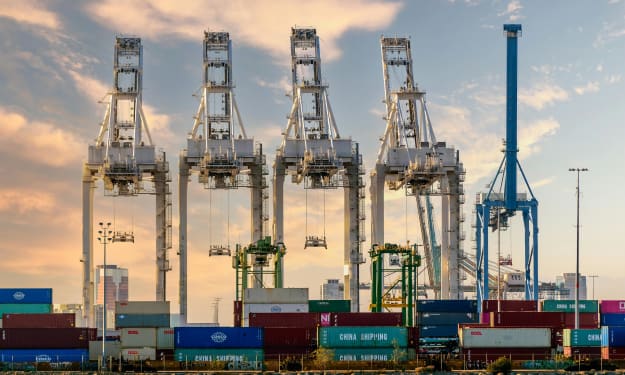
Example: A port authority could use AI algorithms to monitor the condition of cranes and other loading equipment. By accurately predicting when components are likely to wear out, the authority can avoid unnecessary replacements and extend the useful life of the equipment, leading to lower maintenance costs and better resource allocation.
Innovative Applications of AI in Maritime Predictive Maintenance
Real-Time Monitoring and Alerts
AI-driven predictive maintenance systems are capable of providing real-time monitoring and alerts, enabling operators to respond quickly to potential issues. Sensors installed on ships and port infrastructure continuously collect data, which is then analyzed by AI algorithms to detect anomalies or deviations from normal operating conditions. When a potential problem is detected, the system can automatically alert operators, allowing them to take immediate action to prevent a failure.
Example: A real-time monitoring system on a ship's propulsion system could detect an abnormal increase in vibration levels, which may indicate a misalignment or bearing wear. The system would alert the crew, who could then investigate the issue and perform maintenance before the problem escalates, preventing a costly breakdown at sea.
Integration with Digital Twins
Digital twins, virtual replicas of physical assets, are increasingly being used in conjunction with AI for predictive maintenance. By creating a digital twin of a ship or port facility, operators can simulate different operating scenarios and predict how the equipment will behave under various conditions. AI algorithms analyze the data generated by the digital twin to predict potential failures and optimize maintenance schedules.
Example: A digital twin of a ship's propulsion system could simulate the impact of different sea conditions on the system's performance. AI algorithms would analyze the simulation data to identify potential wear and tear, allowing operators to schedule maintenance before the system is subjected to stress that could lead to failure.
Challenges and Future Prospects
While AI-driven predictive maintenance offers significant benefits, there are challenges to its implementation in the maritime industry. These include the need for high-quality data, the integration of AI systems with existing infrastructure, and the potential for resistance to change among industry stakeholders. However, as technology continues to advance and more maritime operators recognize the value of predictive maintenance, the adoption of AI-driven solutions is expected to grow.
Conclusion
AI-enabled predictive maintenance is transforming the maritime industry by providing a proactive approach to equipment management. By leveraging AI algorithms to predict equipment failures and optimize maintenance schedules, maritime operators can reduce downtime, cut maintenance costs, and ensure the reliable operation of ships and port facilities. As the industry continues to embrace digital transformation, AI-driven predictive maintenance will play a critical role in enhancing the efficiency and sustainability of maritime operations.
About the Creator
Navinder Dinesh Ram
Kritrima Buddhimattā
Keep reading
More stories from Navinder Dinesh Ram and writers in Education and other communities.
Enhancing Efficiency in Maritime Logistics: Port Operations Optimization
Introduction Port operations are the backbone of global trade, facilitating the smooth movement of goods across the world. With the increasing demand for efficiency and sustainability, optimizing port operations has become a critical focus for port authorities and maritime stakeholders. This article delves into the strategies, technologies, and benefits of port operations optimization, highlighting its impact on the maritime industry.
By Navinder Dinesh Ram2 years ago in Education
EdTech and Smart Classroom Market to Attain USD 498.5 Billion by 2032
The Global EdTech and Smart Classroom Market presents a substantial long-term opportunity, expected to scale from USD 146.8 billion in 2023 to USD 498.5 billion by 2032. With a projected CAGR of 15%, the market is benefiting from increasing investments in digital curriculum platforms, AR/VR-enabled learning, AI-driven assessment systems, and connected classroom ecosystems.
By Roberto Crum6 days ago in Education
Clear Paths to Discover Your Purpose in Life
Finding direction in life is a common human search. Many people want their work and daily actions to feel meaningful. When you discover your purpose in life, you gain a sense of direction and inner peace. Purpose does not appear in a single moment for most people. It often grows through reflection, action, and learning. Small steps can lead to deep insight.
By Philip Raymond Baquie5 days ago in Education



Comments
There are no comments for this story
Be the first to respond and start the conversation.