
GSM Microfiber Cloth: What It Means and How to Choose the Right One
GSM Microfiber Cloth Explained
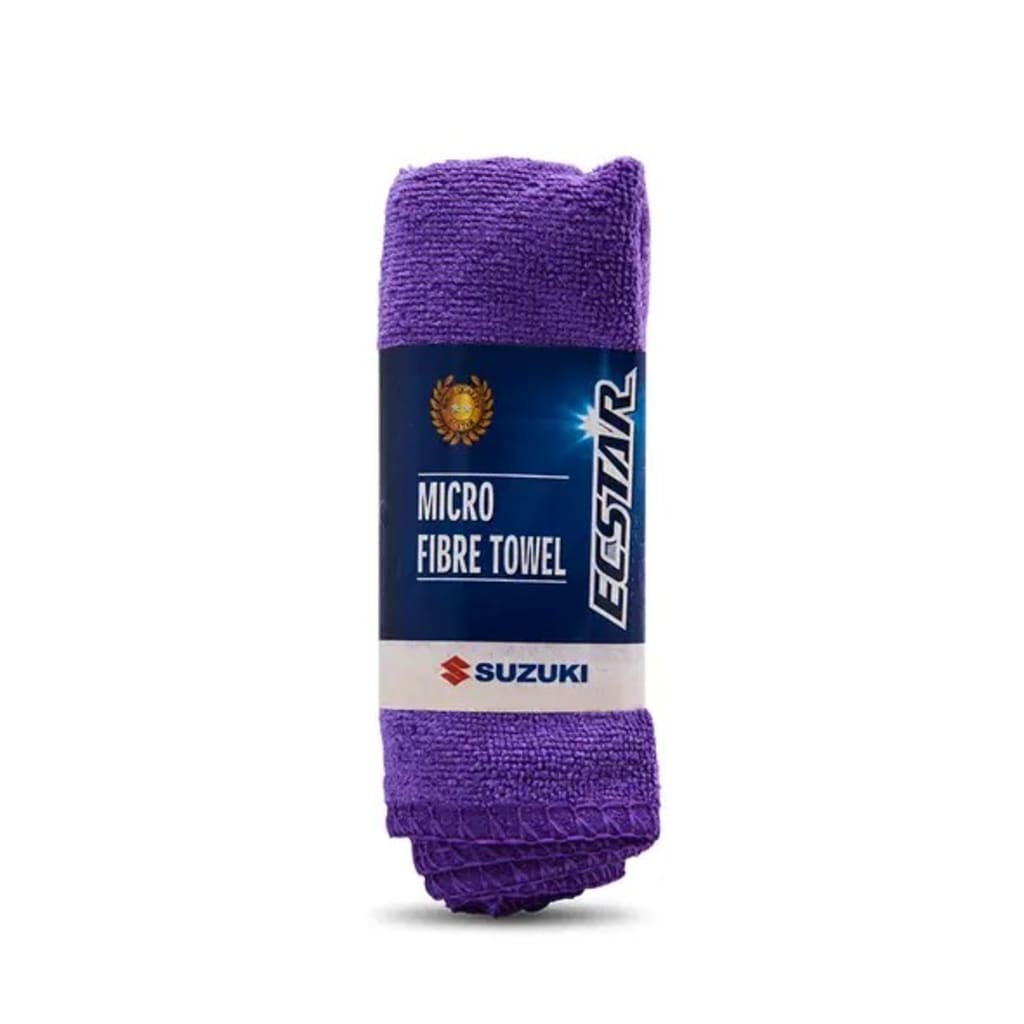
When it comes to cleaning performance, not all microfiber cloths are created equal. One of the most important factors that determine quality is GSM, short for Grams per Square Meter. Whether you're polishing your car, cleaning delicate electronics, or wiping down kitchen surfaces, understanding GSM can make all the difference between a streaky finish and a spotless shine.
Understanding GSM in Microfiber Cloths
What Does GSM Stand For?
GSM, or Grams per Square Meter, refers to the density or weight of fabric per unit area. In simple terms, it measures how thick or heavy a microfiber cloth is. A higher GSM means the cloth has more fibers packed into each square meter, making it denser, softer, and generally more absorbent.
Why GSM Matters in Cleaning Performance
The GSM value of a microfiber cloth directly impacts how well it cleans. Low GSM cloths are lightweight and dry quickly, ideal for dusting or light cleaning. High GSM cloths, on the other hand, can hold more water and dirt, making them perfect for heavy-duty tasks like car detailing or drying surfaces without streaks.
How GSM Affects Absorbency and Softness
A 200 GSM microfiber cloth may feel thin and slightly coarse, while a 500 GSM cloth feels luxuriously soft and plush. Higher GSM also improves water retention and particle pickup, which is why professional detailers prefer thick, high-GSM towels for waxing or polishing.
Types of Microfiber Cloths Based on GSM
Low GSM (200–250): Lightweight and Quick-Dry Cloths
These are ideal for simple cleaning jobs like dusting, wiping countertops, or drying hands. Their lightweight structure allows quick drying and easy wringing.
Medium GSM (250–350): Balanced Cleaning and Absorption
A perfect middle ground for both home and automotive cleaning, medium GSM microfiber cloths offer a balance between softness and durability. They are versatile and work well for most surfaces.
High GSM (350–600+): Premium Soft and Heavy-Duty Cloths
If you’re looking for superior softness and absorbency, high-GSM cloths are your go-to choice. Commonly used for polishing cars, glass cleaning, and finishing tasks, these towels deliver a streak-free, lint-free finish.
Factors to Consider When Choosing the Right GSM Microfiber Cloth
Type of Surface and Application
For delicate surfaces like glass, electronics, or car paint, opt for microfiber cloths with higher GSM (350+). For everyday cleaning tasks, medium GSM offers excellent performance without being overly heavy.
Absorbency Requirements
If you need to soak up large amounts of liquid, a higher GSM cloth is more efficient. For dry dusting, a lower GSM option works better since it glides smoothly and picks up dust easily.
Durability and Longevity
Thicker, denser microfiber cloths tend to last longer because of their strong weave. They resist fraying and maintain performance over many washes.
Ease of Maintenance and Washing Frequency
If you clean often, choose a lower GSM cloth that dries quickly and can be washed frequently. High-GSM cloths take longer to dry but offer superior longevity.
Comparing GSM Microfiber Cloths for Different Uses
Car Detailing
350–600+
Plush, ultra-absorbent, gentle on paint
Home Cleaning
250–350
Balanced absorbency, durable
Electronics & Glass
200–300
Lightweight, streak-free finish
Kitchen & Bathroom
250–400
Efficient in absorbing spills and grime
How to Test the Quality of a Microfiber Cloth
Simple Absorbency Test
Pour a small amount of water on a surface and place the cloth on top. A high-quality, high-GSM cloth should instantly soak it up without spreading.
Fiber Density and Weave Check
Hold the cloth up to the light. A high-density weave means fewer visible gaps, indicating a better-quality microfiber.
Stitching and Edge Quality
Well-stitched edges prevent fraying and extend the lifespan of your cloth. Avoid loosely stitched towels for heavy-duty cleaning.
Common Mistakes When Buying Microfiber Cloths
Ignoring GSM and Focusing Only on Price
Low-cost microfiber cloths often have low GSM, meaning reduced absorbency and durability. Always check the GSM rating before purchasing.
Not Checking Blend Ratio (Polyester vs. Polyamide)
A 70/30 blend (polyester/polyamide) provides the best balance of strength and softness. Cheaper 80/20 blends may not absorb as well.
Overlooking the Intended Use
Using the wrong GSM for a specific task can lead to scratches or poor cleaning results. Match the cloth to the job for best performance.
Care Tips to Maintain GSM Microfiber Cloth Quality
Proper Washing Techniques
Wash microfiber cloths separately in cold water using a mild detergent. Avoid bleach or fabric softeners, as they break down fibers.
Drying and Storage Guidelines
Air-dry or tumble-dry on low heat. Store them in a clean, dry area to prevent contamination.
Avoiding Fabric Softeners and Bleach
These chemicals coat the fibers, reducing absorbency and damaging the cloth’s texture.
FAQs About GSM Microfiber Cloths
1. What is the ideal GSM for car detailing?
For car detailing, 350–600 GSM microfiber cloths offer superior absorbency and softness.
2. Can a high GSM cloth be used for all cleaning tasks?
While it can, it might be overkill for light dusting or electronics cleaning. Use medium GSM for versatility.
3. How long does a microfiber cloth last?
With proper care, a high-quality cloth can last up to 500 washes or more.
4. What’s better—80/20 or 70/30 microfiber blend?
A 70/30 blend provides more absorbency and softness, ideal for premium cleaning applications.
5. How do I know if my microfiber cloth is high GSM?
It feels thicker, heavier, and softer compared to low-GSM cloths.
6. Can I wash microfiber cloths with regular laundry?
Avoid mixing with cotton fabrics, as lint transfer can reduce cleaning performance.
Conclusion: Choose Wisely for Long-Term Value
Understanding GSM microfiber cloth ratings helps you make smarter purchasing decisions. Whether you’re wiping a countertop or detailing a luxury car, the right GSM ensures maximum performance, longevity, and value for money. Next time you shop, don’t just look at color or size—check the GSM to get the best results every time.
About the Creator
Keep reading
More stories from Abdul Alim and writers in Education and other communities.
5 Amazing Uses of Multi-Purpose Grease You Probably Didn’t Know About!
When it comes to mechanical maintenance, most people think of engine oil, coolants, or cleaning sprays. But there’s one silent performer that often gets overlooked—multi-purpose grease. This versatile lubricant plays a crucial role in keeping everything from vehicles to home appliances running smoothly. Whether you’re a car enthusiast, factory technician, or homeowner, you’ll be surprised by how many things depend on this sticky, protective wonder.
By Abdul Alim4 months ago in Education
The Creative Kitchen Journey: Turning a Love for Cooking Into Everyday Inspiration
Cooking has evolved far beyond a simple daily responsibility. For many people, it has become a powerful source of creativity, relaxation, and personal satisfaction. After long hours spent working or managing daily responsibilities, the kitchen often becomes a place where individuals can unwind and reconnect with their passions. Preparing food allows people to experiment with flavors, textures, and presentation while enjoying the rewarding process of creating something from scratch.
By Greg Deshields7 days ago in Education
The Impact of Aviation on Remote Communities and Global Trade
Many communities around the world are located in places where geography makes transportation difficult. Mountain villages, island territories, remote northern settlements, and rural regions often lack reliable road or rail systems that connect them to major economic centers. Aviation has emerged as one of the most effective solutions for bridging these distances. As explained by Glenn Allyn, an aviation professional associated with White Plains, New York, air transportation enables remote communities to interact with global economies by providing fast, reliable connections for commerce, travel, and essential services.
By Glenn Allyn3 days ago in Education




Comments
There are no comments for this story
Be the first to respond and start the conversation.