
Grinding for Glory: The Realities of a Professional Poker Career
Inside the Grind: What It Really Takes to Become a Poker Pro

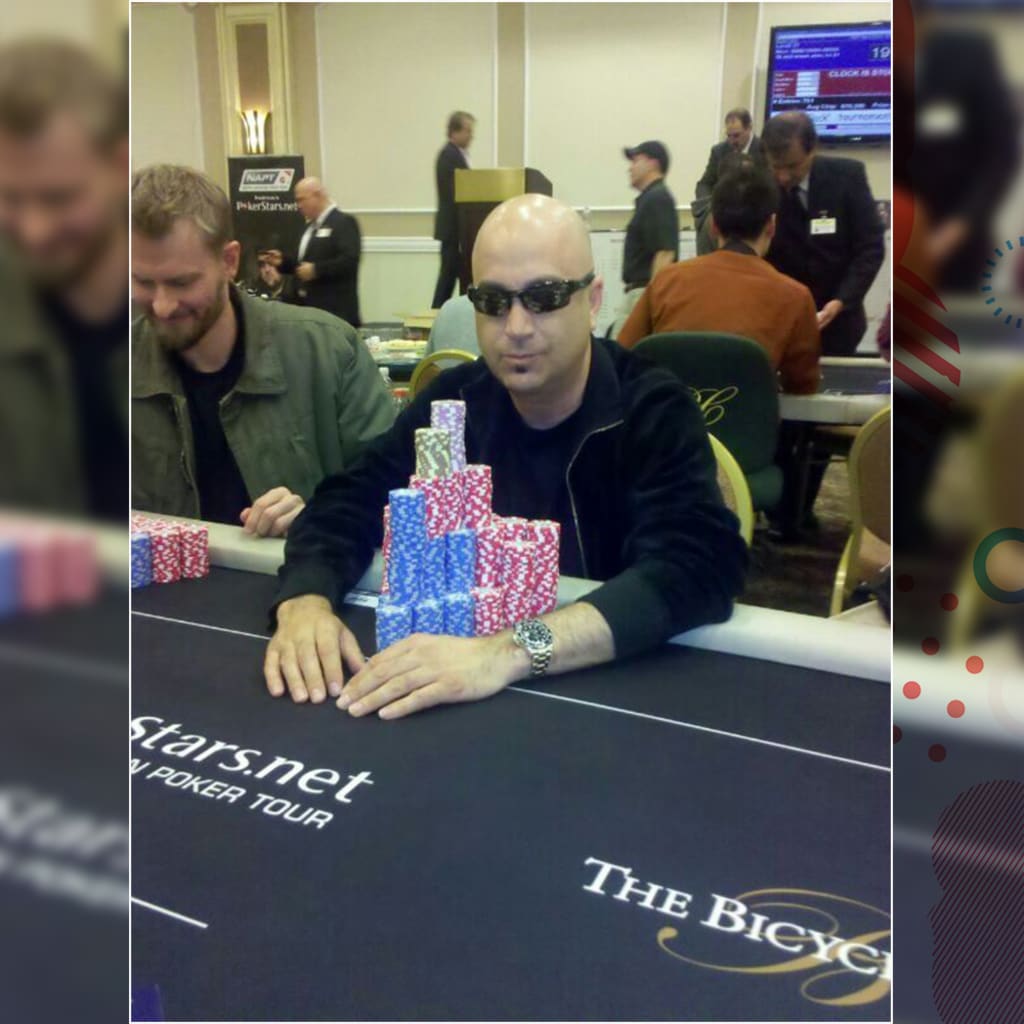
To outsiders, the life of a professional poker player may look like an endless vacation. You set your hours, travel to glamorous destinations, and collect giant paychecks in thrilling tournaments. However, beneath the surface lies a demanding and unpredictable profession that tests a person’s intellect, discipline, and emotional resilience every single day. Those who make it to the top do so because they respect the game and treat it as a serious business, not a casual hobby.
A Lifelong Learning Process
Poker is one of the few professions where you never truly stop learning. While many casual players believe that basic strategy and some good instincts are enough, professionals understand the truth: if you don’t constantly improve, you’ll get left behind.
The game evolves as new tactics emerge and technology makes information more accessible. A strategy that worked perfectly five years ago might now be considered outdated or even unprofitable. To stay ahead, professional players spend hours studying hand histories, reading the latest books, analyzing solvers, and talking strategy with trusted peers. For them, education isn’t a phase—it’s a permanent part of their lives.
Finding Your Niche
No two poker pros have identical careers. Some focus on live cash games in casinos or private clubs, where their ability to read opponents face-to-face is an edge. Others make their living online, where the pace is faster and multitasking is essential to generate consistent earnings. Some players focus exclusively on tournaments, chasing life-changing payouts and the prestige of trophies and titles.
Each path comes with trade-offs. Live cash games can provide steady income and less variance, but they require long hours at the table. Online play offers convenience and higher volume, but it can be mentally exhausting and increasingly competitive. Tournaments bring the chance for big wins but also the brutal reality of extended downswings. Successful pros find a format that suits their temperament, skill set, and financial goals.
Mastering the Mind Game
More than any other factor, a professional poker player’s mindset determines whether they thrive or fade away. In no other field is luck so visibly tangled with skill. Even after making perfect decisions, you can still lose—and if you let those outcomes define your mood or confidence, you’re in trouble.
Tilt, the emotional reaction to bad luck, is every pro’s constant adversary. Professionals learn to recognize the signs of frustration early and use tools to control it. Some take planned breaks after significant losses. Others practice meditation or visualization to stay grounded. Over time, they develop a kind of emotional armor—an ability to absorb swings without panicking or chasing losses.
Bankroll Management: The Backbone of Sustainability
- If mindset is the soul of a poker career, bankroll management is the backbone. Without disciplined control of your funds, even the most skilled player will eventually go broke. Professional players establish clear guidelines for how much of their bankroll they are willing to risk at any given time.
Cash game specialists might keep at least 30 buy-ins for their main stakes, ensuring they can survive inevitable downswings. Tournament professionals often maintain 100 or more buy-ins because variance is much harsher in the tournament arena. This cushion allows them to keep playing confidently, knowing a few bad runs won’t destroy their careers.
Having rules for when to move up or down in stakes is equally essential. Many pros only step up when their bankroll exceeds specific targets and immediately move down if they drop below a safe threshold. This approach removes emotion from decisions and keeps them in the game for the long haul.
Daily Life and Routines
The day-to-day life of a professional poker player may not look glamorous. While you’re free from commuting to an office, the hours are often long and mentally draining. Successful pros create routines to support their health and focus. They schedule study sessions, exercise regularly, and take time off to recharge.
Because poker is a solitary game, maintaining relationships and a social life can be challenging. Many professionals build communities with other players to share experiences and reduce isolation. A balanced life outside of work is crucial for staying motivated and preventing burnout.
Income Volatility and Long-Term Planning
Unlike traditional careers with predictable paychecks, poker income can fluctuate wildly. One month, you might score a six-figure win, and the next, you could go without cashing a tournament or booking a winning session. To survive these swings, professionals budget carefully and maintain an emergency fund for living expenses.
Many also diversify their income through coaching, creating strategy content, or staking other players. Some invest in real estate or businesses to generate passive income that balances the unpredictability of poker. Brilliant pros treat their winnings as capital to build long-term security.
Reputation and Ethics
A professional’s reputation is an invaluable asset. In an industry where trust is critical, behaving ethically is non-negotiable. Cheating, collusion, or angle shooting can end a career and damage relationships beyond repair.
Players who treat opponents and colleagues with respect earn invitations to private games, backing deals, and sponsorship opportunities. A clean reputation, built over the years, is as essential as any trophy or cash prize.
The Rewards and Sacrifices
A life in poker offers unique benefits, including personal freedom, the opportunity to travel, and the satisfaction of mastering a complex game. But it also demands sacrifice. Emotional ups and downs, financial uncertainty, and constant pressure to improve can wear on even the most resilient players. Only those who are willing to embrace both the rewards and the hardships find lasting success.
Being a professional poker player is far from an easy ride. It requires rigorous study, unwavering discipline, and a mindset resilient enough to withstand the game’s inevitable ups and downs. For those who approach poker as a craft to be mastered and a business to be managed, life can be both fulfilling and rewarding, while also being challenging.
Behind every televised victory and every final table appearance is a story of hard work and perseverance. Those who succeed don’t rely on luck alone—they build their careers on preparation, integrity, and an unbreakable commitment to constant improvement. Ultimately, that’s what separates the dreamers from the professionals.
About the Creator
Micah Raskin Poker
Micah Raskin Poker, a resident of New York, NY, has made significant strides as a semi-professional poker player and philanthropist. He began his poker career in 2007 and quickly rose to prominence by winning several high-profile events.
Keep reading
More stories from Micah Raskin Poker and writers in Education and other communities.
Train Your Poker Mind: Build Mental Toughness Like a Pro
Playing poker is not only about cards and chips. It’s about the mind. The best players in the world know how to stay calm, focused, and decisive under pressure. This is known as mental toughness, and it distinguishes casual players from true professionals. Whether you play online or at the table, learning the right mindset and psychology in poker is key to winning more often.
By Micah Raskin Poker 10 months ago in Education
Leveraging Prediction Markets to Enhance Strategic Planning
In today’s competitive business environment, making informed strategic decisions is crucial for long-term success. Prediction markets have emerged as a valuable tool for improving strategic planning by aggregating insights from diverse participants. These markets enable organizations to forecast outcomes through collective intelligence, providing a more accurate understanding of potential scenarios. By integrating prediction market data into planning processes, companies can anticipate risks, identify opportunities, and make better-informed decisions that support sustainable growth.
By Anthony Qi6 days ago in Education
Srimad Bhagavatam
Srimad Bhagavatam: A Complete Guide to Bhakti, Dharma, and Divine Love Among the sacred texts of the Vedic tradition, few scriptures hold as much spiritual depth and devotional beauty as the Srimad Bhagavatam. For centuries, this revered text has guided seekers toward understanding the true purpose of life, the nature of divine love, and the path of pure devotion. Devotees and spiritual scholars across the world regard Srimad Bhagavatam as a treasure house of spiritual wisdom that reveals the ultimate goal of human existence.
By sudeshna rarhi2 days ago in Education
Author’s Advice
If you would’ve asked me 20 years ago did I know I’d become a writer and an author, I would’ve said “nope, ain’t happening”. As fate would have it I did become an author and I can honestly say I’m loving it so far. It really does feel good to be a writer. I’ve learned a lot on this journey and I feel like with even me being as new to this world as I am, there’s some wisdom I need to share with every other aspiring author.
By Joe Patterson5 days ago in Journal




Comments