
Green Minds, Bright Futures: Teaching Sustainability in Primary Education
Encouraging Environmental Responsibility

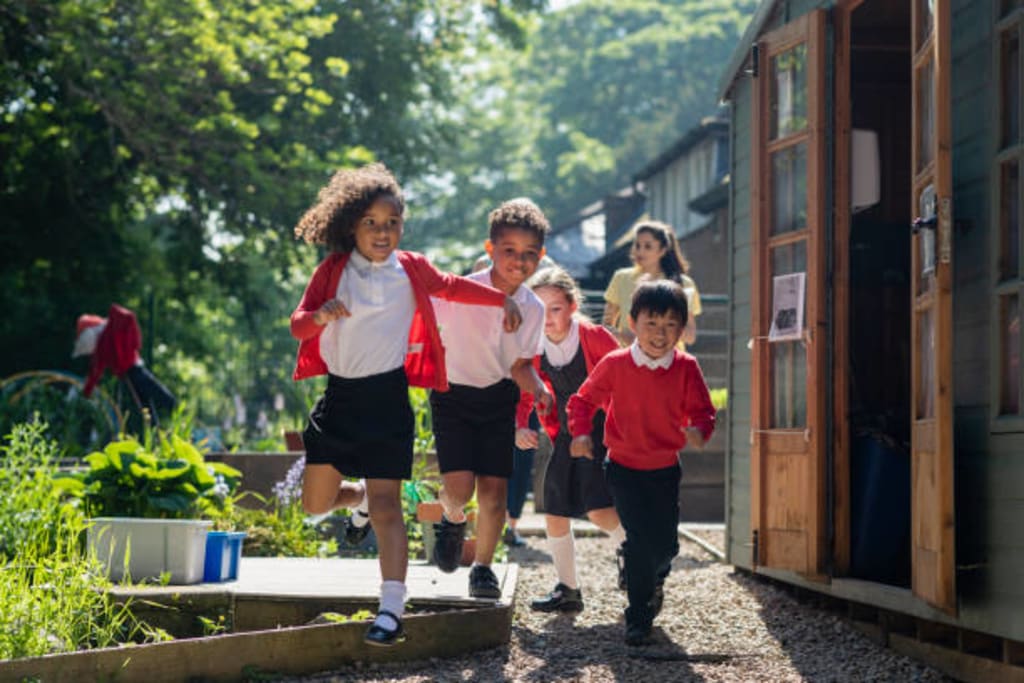
In a world facing climate change, pollution, and the loss of biodiversity, raising environmentally conscious citizens is no longer a choice—it's a necessity.
Primary schools are in a unique position to lay the foundations for a sustainable future by nurturing young minds that not only understand the challenges our planet faces but are inspired to act.
Sustainability education isn’t just about recycling or turning off the lights. It’s about embedding ecological awareness, critical thinking, and a sense of responsibility into every part of the school experience. When children learn early on that their actions have an impact, they grow into adults who care about the planet—and the people on it.
Starting Young: Why Primary Education Is the Ideal Stage
Primary school-aged children are naturally curious, eager to explore, and quick to adopt new habits. This makes them especially receptive to lessons in sustainability.
By introducing environmental education at this early stage, schools help children build a lifelong relationship with nature and an appreciation for the resources they use every day.
In forward-thinking primary schools in Kingston Surrey, teachers integrate sustainability across subjects—not just in science but in geography, literacy, art, and even maths. For example, students may calculate their class’s carbon footprint, write persuasive letters about protecting local wildlife, or explore the life cycle of a plant by growing their own vegetables in the school garden.
Real-World Learning for Real-World Issues
Children learn best through doing, and sustainability education thrives on hands-on activities. From composting lunch waste to building bug hotels and organising litter picks, these small, practical projects teach big ideas. They encourage problem-solving, teamwork, and personal accountability.
Outdoor classrooms, eco-gardens, and nature trails are increasingly popular tools for bringing green education to life. Schools that prioritise outdoor learning not only improve student well-being but also give children direct, memorable experiences with the natural world—something no textbook can replicate.
Creating a Culture of Responsibility
The most effective sustainability programs are those embedded in the whole school culture. That means eco-committees made up of pupils, green policies supported by staff, and consistent practices like energy-saving routines, reduced paper use, and ethical sourcing in the school canteen.
Several schools in Kingston have taken steps to earn Eco-Schools awards, recognising their commitment to creating environmentally aware school communities.
These initiatives not only reduce environmental impact but also show students that their voices and actions matter. When children see their ideas lead to real change, their confidence grows alongside their concern for the planet.
Engaging Families and the Wider Community
Primary schools also act as hubs for family and community engagement. By encouraging sustainable habits at home—such as walking to school, recycling, or reducing food waste—schools extend their environmental impact far beyond the classroom.
Partnerships with local farms, recycling centres, conservation groups, and charities provide enriching experiences and open up opportunities for learning beyond the school gate. This community-centred approach helps children see sustainability as a shared responsibility and not just a school subject.
The Long-Term Benefits: Skills for Life
Sustainability education is about more than caring for the environment. It builds future-ready skills such as critical thinking, collaboration, leadership, and ethical decision-making.
As the green economy grows, today’s eco-aware pupils may become tomorrow’s environmental engineers, conservation scientists, or policy makers.
But perhaps more importantly, they’ll be citizens who understand the value of fairness, global responsibility, and the interconnectedness of life. That’s a powerful legacy to begin in primary school.
Conclusion: Planting Seeds for a Greener Tomorrow
By teaching sustainability from a young age, primary schools are doing more than raising eco-conscious children—they are empowering the next generation to lead with awareness, empathy, and innovation.
These green minds are our brightest hope for a future where people and planet thrive together.The sooner we start planting these seeds, the stronger the roots of change will grow.
About the Creator
William Henry
At Best Independent Schools UK, we are here to make your journey smoother by providing detailed information about some of the best nurseries and preparatory schools in England
Keep reading
More stories from William Henry and writers in Education and other communities.
The Prep Advantage: Clubs, Camps, and Creative Enrichment That Shape the Whole Child
Today’s most forward-thinking prep schools know that true education doesn’t end with academic performance. While maths, reading, and science remain foundational, it’s the experiences beyond the classroom—those found in creative arts studios, on the playing field, or during a forest hike—that help develop the skills and character young learners will carry through life. These experiences shape the whole child.
By William Henry9 months ago in Education
Prototyping Products in Electronics: Essential Tools for Modern Circuit Development
In the world of electronics design and product development, prototyping products play a crucial role in transforming theoretical circuit designs into real, testable systems. These tools allow engineers, developers, and hobbyists to experiment with electronic components, test circuit functionality, and refine designs before moving to full-scale production.
By Beckett Dowhanabout 13 hours ago in Education
"Beware the Ides of March"
Superstitious people may believe some days are unlucky. For instance, some think Friday the 13th is an unlucky day. Another day some people consider unlucky is March 15 because the English playwright William Shakespeare said in his famous play, Julius Caesar:
By Margaret Minnicksabout 19 hours ago in Education
A System That Isn’t Working Challenge Winners
Systems promise order. They organize behavior, distribute opportunity, and suggest that if everyone follows the rules, things will work. The entries in A System That Isn’t Working look closely at what happens when that promise begins to slip.
By Vocal Curation Team2 days ago in Resources



Comments
There are no comments for this story
Be the first to respond and start the conversation.