
Get A Healthy Heart Now
Tips For Better Heart Health


Introduction
Having a healthy heart is one of the most important things you can do to ensure a long and healthy life. But it can be difficult to know how to achieve this goal. This article provides 10 simple steps that you can take to improve your heart health and ensure a better life. From getting active to managing your diabetes and cholesterol, get all the information you need to implement these changes and lead a healthier life.
Step 1: Get Active

When it comes to improving your heart health, incorporating physical activity into your daily routine is one of the most important steps you can take. Regular physical activity can help reduce your risk of developing heart disease, lower your blood pressure, improve your cholesterol levels, and keep your weight in check. Aim for at least 30 minutes of aerobic activity 5 days a week. Examples of activities that can help you meet this goal include walking, cycling, swimming, dancing, and yoga. Even if you are a beginner, start out slowly and gradually increase your intensity as you become more comfortable.
One way to incorporate more physical activity into your day is to take the stairs instead of the elevator. Not only is this good exercise, but also gives you an opportunity to practice goal setting: try to climb one more step each day or increase the number of stairs you climb each time you go up. Additionally, you can use technology to help you stay on track with your exercise goals. There are a variety of apps and wearable devices that can track your progress and provide encouragement and motivation.
Making physical activity a priority is key to better heart health, so find something that you enjoy and get moving!
Step 2: Eat Healthily

Eating healthy is an important step in getting and maintaining better heart health. Eating the right foods can help reduce the risk of developing heart disease and enable the heart to work more efficiently. When it comes to eating healthy, there are two main components to consider: what to eat, and how much to eat.
1. What to Eat
The best way to ensure that you are getting the nutrients your body needs is to eat a variety of different healthy food groups, such as fruits, vegetables, whole grains, legumes, lean protein, and healthy fats. It is important to focus on including foods that are low in saturated and trans fats, sodium, and added sugars, as these can all contribute to unhealthy cholesterol levels and other negative health consequences. Fruits and vegetables are packed with antioxidants and fiber, which can help to reduce inflammation, cholesterol levels, and the risk of developing heart disease. Whole grains are also rich in fiber, in addition to providing energy and essential vitamins and minerals. Lean proteins and healthy fats, such as those found in nuts and fatty fish, are an important part of a balanced diet, providing essential nutrients that can help keep your heart healthy.
2. How Much to Eat
It is just as important to control portion size and make sure that you are not overeating as it is to focus on the types of food you are eating. A balanced diet should include all the food groups, but be mindful of the number of calories you are consuming. Eating too much food can lead to weight gain, which can contribute to heart disease and other health issues. Making sure to drink enough water throughout the day is also important, as water helps to keep the body hydrated and can help to flush out toxins.
In summary, getting and maintaining better heart health requires eating a balanced diet that includes a variety of different healthy food groups, in addition to controlling portion size and drinking plenty of water. By following these simple tips, you can help reduce your risk of developing heart disease and improve your overall health.
Step 3: Quit Smoking

Quitting smoking is one of the most important steps you can take to achieve better heart health. Smoking increases the risk of developing high blood pressure, coronary artery disease, stroke, and other cardiovascular diseases. Smoking also increases the risk of a heart attack or stroke.
There are many ways to quit smoking, including over-the-counter medications, patches, gum, beverages, and even e-cigarettes. However, the best way to quit is to have a plan in place and stick to it. Set goals, develop coping strategies, and make lifestyle changes that will help you stay away from cigarettes.
If you’re ready to quit, your healthcare provider can provide you with a plan and resources to help you quit. This plan should include a timeline for quitting, setting realistic goals, trying different methods, and recognizing triggers that lead to smoking. Your healthcare provider can also provide tips on managing stress and cravings, and provide options for stress relief, such as exercise and relaxation techniques.
Your healthcare provider can also discuss medications and counseling options available to help you quit smoking. Medications such as bupropion (Wellbutrin) and varenicline (Chantix) may be prescribed to help you stop smoking. Counseling may also be recommended.
Developing a plan to quit smoking is key to achieving better heart health. While it can be difficult to quit, the benefits of quitting far outweigh the risks of continuing to smoke. Quit smoking today and start taking steps toward better heart health!
Step 4: Lose Weight

Losing weight is an important part of improving your overall heart health. Being overweight can increase your risk for heart disease and other health issues, so it’s important to take steps to reduce your risk. You can lose weight by eating fewer calories, increasing physical activity, or a combination of both.
Start by making small changes to your diet and lifestyle. For example, try eating a smaller portion of meals and snacks, or replacing processed foods with healthier options like fresh fruits and vegetables. You can also reduce sodium in your diet by choosing foods with less sodium and avoiding high-sodium packaged foods.
When it comes to physical activity, aim for at least 2.5 hours of moderate-intensity activity each week- this can include walking, jogging, swimming, or biking. You can also incorporate strength training into your fitness routine to build muscle and boost your metabolism.
Finally, don’t forget to stay motivated by setting realistic goals and tracking your progress. Review your progress every month to stay motivated and on track. With enough dedication, you’ll be able to reach your weight loss and health goals in no time!
Step 5: Lower Stress Levels
Stress can have an enormous effect on your heart health and is an important step to achieving better heart health. Stress can cause not only dramatic emotional changes but can also affect your physical health by increasing your heart rate and blood pressure, which can lead to an increased risk for cardiovascular disease. To help lower your stress levels and improve your heart health, consider these steps:
1. Reduce the number of stressors in your life: This can be done by minimizing the amount of time spent on stressful activities and tasks and/or by saying “no” more often.
2. Spend more time doing things you enjoy: Whether it’s relaxing in nature, doing yoga, reading a book, or signing up for an art class, taking time for yourself can help reduce stress levels.
3. Make time for social connections: Make sure to connect with friends, family, and peers regularly. Connecting with others can help boost your mood and reduce your stress levels.
4. Exercise regularly: Exercise can have numerous health benefits, including reducing stress. Aim to exercise at least five days a week for 30 minutes a day.
5. Get enough sleep: Getting the right amount of sleep can help reduce stress levels. Aim to get between seven to nine hours of sleep each night in order to stay properly rested.
By following these tips, you can help lower your stress levels and achieve better heart health. Reducing stress can help you to live a longer, healthier life.
Step 6: Understand Your Heart Health
The sixth and final step in achieving better heart health is understanding your current heart health. This is an important step because it is essential to have a realistic understanding of where you stand, and to be proactive in monitoring and tracking your progress.
The best way to understand your heart health is to keep track of it over time. By tracking your heart health, you can get a better idea of what areas need improving, and which areas you may already be doing well in. Additionally, you can use the data to help set achievable goals and track your progress over time.
It is also important to keep in mind that all changes in your heart health should be discussed with your doctor so that any necessary changes can be made. The doctor may even be able to recommend further testing or lifestyle changes that can help improve your heart health.
Lastly, it is important to remember that all of the steps outlined in this article should be taken as a part of a holistic approach to better heart health. Diet and exercise should be combined with stress reduction, regular check-ups, and adequate sleep in order to have a positive effect on your heart health. Taking all of these steps together can help ensure that you have the best chance of achieving long-term good health.
Step 7: Monitor Your Blood Pressure
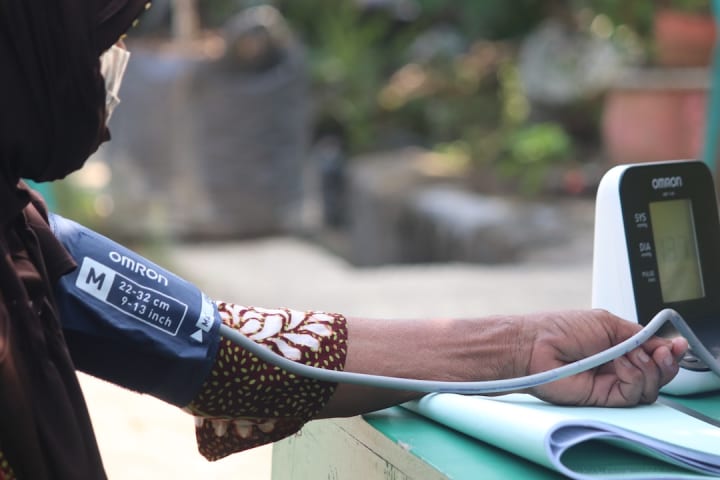
Step 7 of maintaining better heart health is to monitor your blood pressure. High blood pressure, also known as hypertension, increases your risk for heart attack, stroke, and other cardiovascular diseases. In order to stay on top of your health and keep your risks low, it is important to check your blood pressure regularly.
The first step in monitoring your blood pressure is to visit your doctor and get your baseline reading. A baseline reading will give you a good understanding of your current blood pressure and will serve as a reference point for any future readings that are taken. Once you have a baseline reading, you will also need to purchase a home blood pressure monitor.
When using a home blood pressure monitor, make sure to follow the instructions correctly and measure your blood pressure on a consistent basis. It is recommended to check your blood pressure once every 2 to 3 weeks and make sure to record each reading and note any changes. Furthermore, if you experience sudden changes in your blood pressure readings, it is important to seek help from your doctor.
In addition to regular monitoring, there are a few lifestyle changes that you can make to help improve your heart health. Eating a balanced diet that is low in sodium and saturated fat, exercising regularly, and reducing stress are all important steps in maintaining good heart health. With the help of your doctor and making these lifestyle changes, you can help keep your blood pressure in check and give your heart the love and attention it deserves.
Step 8: Limit Your Alcohol Intake
Limiting your alcohol intake is essential for obtaining and maintaining better heart health. Consuming too much alcohol can contribute to an increased risk of high blood pressure and heart problems, as it can damage your heart and other organs in various ways.
For people who do choose to drink alcohol, it’s recommended that you consume no more than one drink per day for women and two drinks per day for men. Furthermore, consuming heavier amounts of alcohol in a single session can be especially dangerous, so always keep your drinking to a minimum. Additionally, if you are taking any medications or have any health issues, it is best to avoid drinking alcohol altogether.
When it comes to heart health, beer, wine, and distilled spirits all contain ethyl alcohol, which is absorbed directly into the bloodstream and can negatively affect the heart. The primary effects of alcohol on the heart include an abnormal heart rhythm, high blood pressure, stroke, and heart failure.
The type of alcohol consumed is also important when it comes to maintaining better heart health. Beer and wine should be limited to no more than one drink per day for women and two drinks per day for men. If you do choose to consume distilled spirits, a serving is defined as 1 ½ ounces or one shot.
Additionally, it is important to watch out for “hidden alcohol”, which can be found in some medications, non-alcoholic beer and wine, and desserts. If you happen to find yourself consuming “hidden alcohol”, make sure to count it as part of your daily alcohol intake.
By limiting your alcohol intake and being mindful of its effects on your heart health, you can significantly reduce your risk of cardiovascular disease. With some effort and dedication, you can take steps toward improving your overall heart health.
Step 9: Manage Your Diabetes and Cholesterol
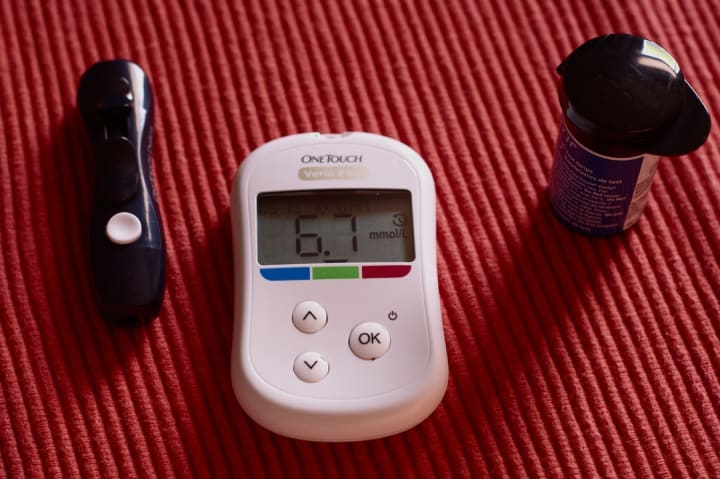
Step 9 of a healthy heart journey is managing your diabetes and cholesterol. If you have diabetes, it is important to maintain your blood sugar in the recommended range. This can be done by monitoring your glucose levels and taking the necessary medication to control those levels. For those with cholesterol, it is important to maintain healthy cholesterol levels. Not only does this help prevent heart attacks and strokes, but it also helps reduce the risk of other chronic diseases like type 2 diabetes, high blood pressure, and kidney disease.
To manage your diabetes and cholesterol, your doctor may suggest medications, lifestyle changes, and dietary changes. Medications can help manage diabetes and cholesterol levels, and lifestyle changes include getting regular physical activity and quitting smoking. Dietary changes can also help, such as eating a healthier diet low in saturated fat, trans fats, and processed foods.
In addition to managing your diabetes and cholesterol levels, it is also important to have regular check-ups with your doctor. This allows your doctor to monitor your diabetes and cholesterol levels and make any adjustments as needed.
Making small changes in your lifestyle can have a big impact on your heart health. Remember to get regular exercise, eat a balanced diet, maintain a healthy weight, and quit smoking. By taking the necessary steps to ensure your diabetes and cholesterol are under control, you are doing your part to ensure better heart health now and in the future.
Step 10: See Your Doctor Regularly
Seeing your doctor regularly is an important step in creating and maintaining a healthy lifestyle. Your doctor can provide valuable insight into your health, as well as provide advice on how to best take care of yourself.
For better heart health, it is important to make sure you are visiting your doctor on a regular basis. This will allow your doctor to keep a close eye on your heart health and any potential signs of trouble. Additionally, regular check-ups can be the difference between catching a potential problem early and allowing it to become a major issue.
Your doctor can provide advice on how you can best take care of your heart. This can include advice on diet and lifestyle, and how to manage any existing conditions that might be impacting your heart health. Your doctor may also be able to recommend certain medications, vitamins, and supplements that can be beneficial to your heart.
Getting regular check-ups with your doctor is the best way to ensure that your heart is in good shape and that any heart-related issues can be caught early. If you have any questions or concerns about your heart health, be sure to talk to your doctor so that you can take the necessary steps to get better heart health.
Conclusion
In conclusion, it has become very clear that heart health is something that we all should prioritize. The ten steps outlined in this article can help you achieve better heart health. From getting active and eating healthy to quitting smoking and understanding your health risk factors to monitor your blood pressure and managing diabetes and cholesterol, taking steps to get a healthier heart is a journey that starts with you. It's also important to see your doctor regularly to discuss how you can maintain a healthy heart. With the right information, support, and lifestyle changes, anyone can make progress toward a healthier heart.
About the Creator
Keep reading
More stories from Donovan Helene and writers in Education and other communities.
Navigating the Grocery Store
Grocery shopping can be a daunting task, especially when trying to choose healthy foods for weight loss and overall wellness. However, with a little knowledge and planning, you can navigate the grocery store with ease and confidence, knowing that you're making informed decisions that support your health and well-being.
By Donovan Helene3 years ago in Education
Karen Solie’s Wellwater Wins the TS Eliot Poetry Prize: A Quiet Triumph of Modern Verse
In a literary world often dominated by loud headlines and fast-moving trends, poetry still finds ways to stop time. That pause arrived powerfully with the announcement that Karen Solie’s poetry collection Wellwater has won the TS Eliot Poetry Prize, one of the most prestigious honors in contemporary poetry. The award is not only a personal milestone for Solie but also a reminder of poetry’s enduring ability to explore the human condition with depth, restraint, and emotional clarity. A Prize That Shapes the Poetry World The TS Eliot Poetry Prize, awarded annually in the United Kingdom, is considered one of the highest accolades a poet can receive. It recognizes the best new poetry collection published in the UK or Ireland, often setting the tone for literary discussions in the year ahead. Past winners have included some of the most influential poetic voices of modern times, making Solie’s victory a significant cultural moment. What sets this prize apart is its emphasis on craft, originality, and emotional intelligence—qualities that Wellwater embodies fully. Who Is Karen Solie? Karen Solie is a Canadian poet known for her sharp intellect, grounded observations, and emotionally resonant language. Over the years, she has earned respect for writing poetry that feels both deeply personal and socially aware. Her work often navigates themes such as place, memory, climate anxiety, labor, aging, and quiet resilience, avoiding grand statements in favor of carefully observed truths. Solie’s poetry does not shout; it listens. That listening quality is precisely what makes Wellwater stand out. Inside Wellwater: Poetry of Depth and Reflection Wellwater is a collection that moves deliberately, inviting readers to slow down and pay attention. The title itself suggests hidden depths—water drawn from below the surface, shaped by time and pressure. This metaphor runs throughout the collection, as Solie explores lives shaped by unseen forces: economic uncertainty, environmental change, personal history, and emotional endurance. The poems are rooted in everyday experiences, yet they carry philosophical weight. Solie writes about landscapes both natural and human-made, finding meaning in small moments: a shift in weather, a conversation overheard, a memory resurfacing unexpectedly. Her language is precise but never cold, intellectual without being inaccessible. Why Wellwater Resonated With Judges The TS Eliot Prize judges praised Wellwater for its quiet authority and emotional honesty. In a time when many works aim for immediacy or spectacle, Solie’s collection was recognized for its patience and depth. The poems do not rush toward conclusions; instead, they allow complexity to remain unresolved, mirroring real life. This approach reflects a broader shift in contemporary poetry, where subtlety and reflection are gaining renewed appreciation. Solie’s work demonstrates that poetry can be powerful without being performative, political without being loud, and personal without being confessional. Poetry in a Restless World The success of Wellwater also speaks to the role of poetry in today’s fast-paced, digitally saturated culture. As attention spans shrink, poetry offers a counterbalance—a space where readers can slow down, sit with uncertainty, and engage with language thoughtfully. Solie’s poems address modern anxieties without sensationalism. Climate change, economic instability, and emotional fatigue are present, but they are woven into lived experience rather than treated as abstract concepts. This grounding makes Wellwater especially relevant to contemporary readers seeking meaning rather than noise. What This Win Means for Contemporary Poetry Karen Solie’s TS Eliot Prize win reinforces the idea that poetry still matters, even—perhaps especially—in uncertain times. It highlights the value of work that prioritizes depth over trendiness and reflection over reaction. For emerging poets, Solie’s success is encouraging. It suggests that careful craftsmanship, intellectual honesty, and emotional restraint can still find recognition in a competitive literary landscape. For readers, Wellwater offers an invitation: to read slowly, to think deeply, and to reconnect with the quieter aspects of being human. A Lasting Literary Moment Karen Solie’s Wellwater winning the TS Eliot Poetry Prize is more than an award announcement—it is a celebration of poetry’s ability to endure, adapt, and illuminate. In drawing from the deep wells of observation and experience, Solie has created a collection that will likely be read and discussed for years to come. In an age hungry for instant answers, Wellwater reminds us that some truths are best discovered slowly.
By Fiaz Ahmed Brohi3 days ago in Education




Comments
There are no comments for this story
Be the first to respond and start the conversation.