
Genuine Book Review: 'The Gay Revolution' by Lillian Faderman
Charting the Path to Equality: A Detailed Exploration of LGBTQ+ Activism in America

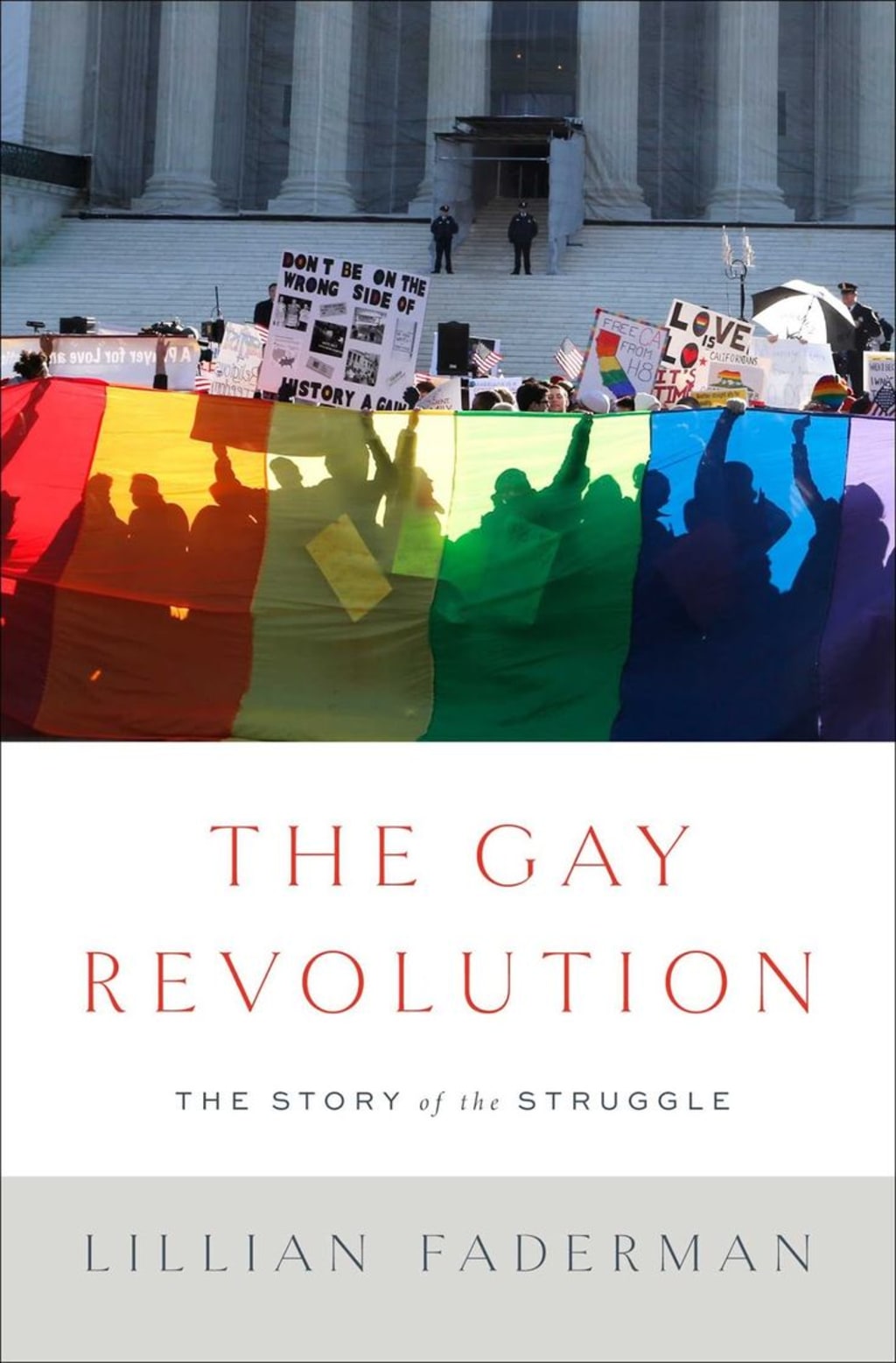
In "The Gay Revolution: The Story of the Struggle," acclaimed historian Lillian Faderman provides a comprehensive and compelling account of the LGBTQ+ rights movement in the United States. From its humble beginnings to its transformative impact on society, Faderman traces the evolution of the movement with meticulous detail and profound insight. In this review, we'll delve into the key themes, milestones, and contributions highlighted in Faderman's groundbreaking book, exploring its significance in understanding the ongoing fight for LGBTQ+ equality.
Unveiling the Journey:
Faderman's narrative begins with an exploration of the early days of the LGBTQ+ rights movement, tracing its origins in the shadows of secrecy and persecution. Through vivid storytelling and archival research, she shines a light on the courageous individuals and grassroots organizations that laid the groundwork for future activism. From the homophile organizations of the mid-20th century to the Stonewall uprising of 1969, Faderman captures the spirit of defiance and resilience that fueled the movement's early years.
As the narrative unfolds, Faderman charts the trajectory of the LGBTQ+ rights movement through key milestones and turning points. She examines landmark legal battles such as the fight against sodomy laws and the struggle for marriage equality, highlighting the strategies, challenges, and victories that shaped the course of LGBTQ+ rights in America. Through Faderman's lens, readers gain a deeper understanding of the complex interplay between legal advocacy, grassroots activism, and cultural change in the quest for equality.
Voices of Resistance and Resilience:
One of the most compelling aspects of Faderman's book is its emphasis on the diverse voices and experiences within the LGBTQ+ community. Through interviews, personal narratives, and archival sources, she brings to life the stories of individuals who fought tirelessly for LGBTQ+ rights, often at great personal risk. From activists and organizers to everyday citizens, Faderman highlights the courage, passion, and sacrifice of those who dared to challenge the status quo and demand justice.
In particular, Faderman shines a spotlight on the contributions of marginalized communities within the LGBTQ+ movement, including people of color, transgender individuals, and those living at the intersections of multiple identities. By centering these voices, she underscores the importance of intersectionality in understanding the complexities of oppression and resistance within the LGBTQ+ community. Through their stories, readers are reminded of the ongoing struggle for inclusion and justice, and the resilience of the human spirit in the face of adversity.
Impact and Legacy:
"The Gay Revolution" not only chronicles the history of the LGBTQ+ rights movement but also reflects on its enduring impact on American society and culture. Faderman examines the ways in which the movement has transformed public attitudes towards LGBTQ+ individuals, challenging stereotypes, and fostering greater visibility and acceptance. From the repeal of "Don't Ask, Don't Tell" to the legalization of same-sex marriage, she highlights the tangible gains made by the LGBTQ+ community in recent years and the ongoing work that lies ahead.
Moreover, Faderman explores the broader implications of the LGBTQ+ rights movement for social justice and human rights advocacy more broadly. She situates the struggle for LGBTQ+ equality within the context of broader movements for racial justice, gender equality, and economic empowerment, emphasizing the interconnectedness of struggles for liberation across diverse communities. Through her analysis, Faderman invites readers to reflect on the ways in which the fight for LGBTQ+ rights intersects with larger questions of social justice and equity in our society.
Conclusion:
In conclusion, "The Gay Revolution: The Story of the Struggle" is a tour de force that offers a comprehensive, nuanced, and deeply human account of the LGBTQ+ rights movement in America. Through meticulous research, compelling storytelling, and profound insight, Lillian Faderman brings to life the triumphs, challenges, and complexities of the struggle for equality. As we reflect on the legacy of the LGBTQ+ rights movement and look towards the future, Faderman's book serves as a powerful reminder of the enduring power of activism, resilience, and hope in the face of oppression.
About the Creator
Aarav Rohilla
Hey everyone! I'm Aarav Rohilla, a young writer with a love for storytelling 📚✨. I love to explore different genres and share my thoughts with you all. Let’s dive into the world of words and enjoy this endless journey together! 🌟✍️
Keep reading
More stories from Aarav Rohilla and writers in Education and other communities.
LGBTQ+ Rights: Progress, Challenges, and the Fight for Equality
In the ongoing journey towards equality and acceptance, LGBTQ+ rights have emerged as a focal point of social and legal discourse worldwide. From historic victories to persistent challenges, the fight for LGBTQ+ rights encompasses a diverse array of experiences, struggles, and triumphs. In this article, we delve deep into the progress made, the hurdles faced, and the ongoing fight for equality within the LGBTQ+ community.
By Aarav Rohilla2 years ago in Pride
The Meaning Behind the Rules: What a Law Explains in Society
A law explains how people should behave within a society and what consequences may follow when they ignore those rules. Governments create laws to guide actions, protect rights, and maintain order. Because communities include people with different interests and values, clear rules help prevent conflicts and confusion. Therefore, laws serve as written standards that explain what society expects from its members.
By Juan Monteverde7 days ago in Education
Rockwell International Corp: A Legacy of Innovation in Aviation and Aerospace
The aviation and aerospace industries have evolved through the work of several pioneering manufacturers that introduced groundbreaking engineering technologies. One of the most influential companies in this field was Rockwell International, an American industrial giant that contributed significantly to aircraft manufacturing, defense systems, and space exploration.
By Beckett Dowhan3 days ago in Education


Comments
There are no comments for this story
Be the first to respond and start the conversation.