
Futures Trading: How to Trade Futures in stock market
Stock Market

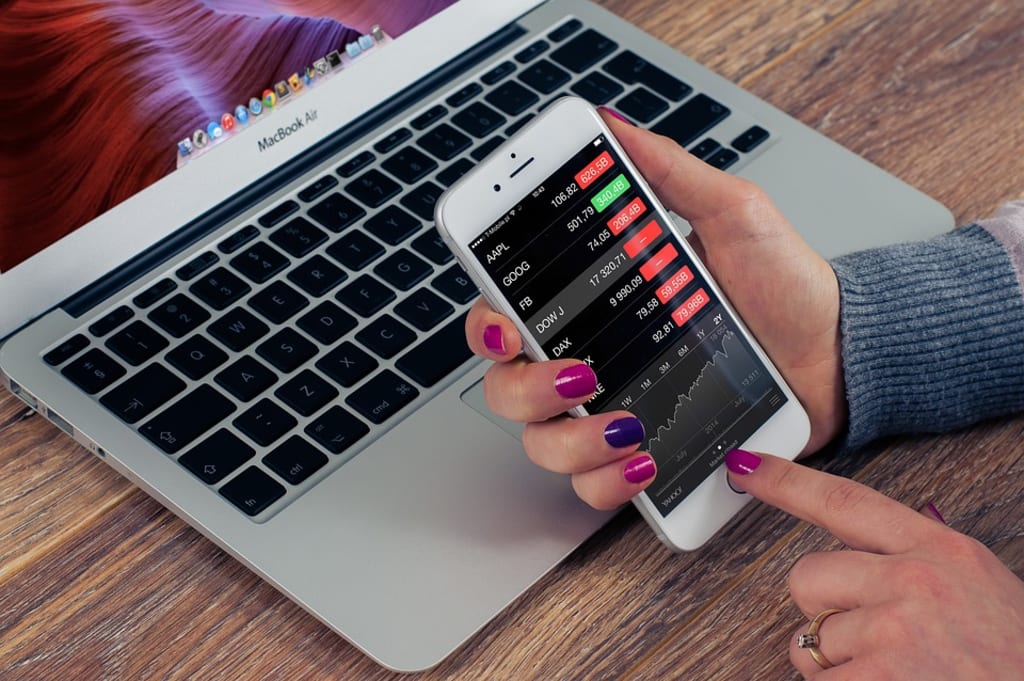
How to start trade
Trading futures is a way to speculate on the price movement of a particular underlying asset or to hedge against price risks.
Here are the steps to trade futures in the stock market:
Choose a broker: You'll need to open an account with a broker that offers futures trading. Consider the broker's fees, platform, and customer support when making your decision.
Fund your account: Once you've chosen a broker, you'll need to deposit funds into your account to start trading.
Choose the futures contract you want to trade: Futures contracts are available for a variety of underlying assets, including commodities, currencies, and indices. Choose a contract based on your investment goals and risk tolerance.
Place an order: Use your broker's trading platform to place an order to buy or sell a futures contract. You can choose from different types of orders, such as a market order, limit order, or stop-loss order.
Monitor your position: Keep an eye on the price of the underlying asset and your profit and loss. Consider closing your position or adjusting your order if necessary.
Settling the contract: When the futures contract reaches its expiration date, you'll need to settle your position. This can involve taking delivery of the underlying asset or closing your position by taking an offsetting trade.
Note: Futures trading is considered high-risk and may not be suitable for all investors. It's important to educate yourself on the mechanics of futures trading and to understand the risks involved before entering the market.
Open Free Demat Account!
Leverage in future trading
Leverage refers to the ability to control a large amount of an asset with a relatively small amount of capital. In the context of futures trading, leverage allows traders to trade futures contracts with a higher nominal value than the amount of capital they have in their trading account. This can amplify both gains and losses.
For example, if a trader has $10,000 in their account and wants to trade a futures contract worth $100,000, they can use leverage to control that contract by borrowing funds from their broker. If the price of the underlying asset moves in the trader's favor, they can realize significant profits. However, if the price moves against them, they can also incur substantial losses.
It's important to be mindful of the risk associated with leverage when trading futures. Some traders may use high levels of leverage to maximize their potential gains, but this also increases the risk of large losses. Additionally, it's essential to have a solid understanding of futures trading, including the mechanics of margins and margin calls, to effectively use leverage.
Are Futures a Type of Derivative?
Yes, futures are a type of derivative. A derivative is a financial contract whose value is derived from an underlying asset, such as a stock, commodity, currency, or index. Futures contracts are a type of derivative that allow traders to speculate on the price movement of an underlying asset or to hedge against price risks.
In a futures contract, two parties agree to buy or sell an underlying asset at a predetermined price and date in the future. This allows traders to lock in a price for the underlying asset today, even if the actual price of the asset has changed by the time the contract expires.
Futures can be traded on exchanges, and they provide a way for market participants to manage price risks, as well as to speculate on price movements. However, like other derivatives, futures trading can be complex and carries significant risks, particularly when using leverage. It's important to understand the mechanics of futures trading and the associated risks before entering the market.
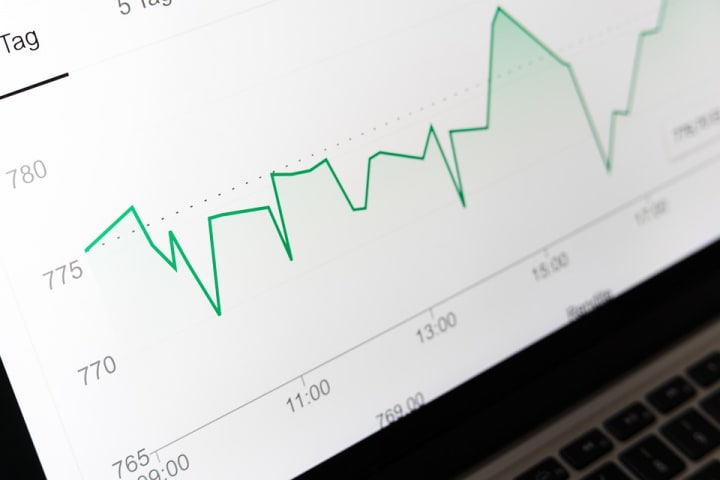
Many types of futures to trade
There are many types of futures that can be traded in the stock market. Some of the most common types of futures include:
- Commodity Futures: Futures contracts based on physical commodities, such as agricultural products (e.g., corn, wheat, soybeans), energy products (e.g., crude oil, natural gas), and precious metals (e.g., gold, silver).
- Currency Futures: Futures contracts based on currency exchange rates, such as the U.S. dollar, euro, and yen.
- Stock Index Futures: Futures contracts based on stock market indices, such as the S&P 500, NASDAQ, and Dow Jones Industrial Average.
- Bond Futures: Futures contracts based on government or corporate bonds, allowing traders to speculate on changes in interest rates.
- Financial Futures: Futures contracts based on financial instruments, such as interest rates and real estate.
- Options on Futures: Futures contracts that give the holder the right, but not the obligation, to buy or sell a specific underlying asset at a predetermined price and date.
These are just a few examples of the many types of futures that can be traded in the stock market. The type of futures contract you trade will depend on your investment goals and risk tolerance. It's important to understand the mechanics of each type of futures contract and the associated risks before entering the market.
Expert commentary and research
Expert commentary and research play an important role in the stock market, providing investors with insights and analysis on market trends, company performance, and economic conditions.
Some of the ways expert commentary and research can be used in the stock market include:
- Analyzing Market Trends: Experts can provide analysis and commentary on overall market trends, such as changes in economic indicators, consumer behavior, and geopolitical events. This information can help investors make informed decisions about their investments.
- Evaluating Company Performance: Experts can analyze the financial and operational performance of specific companies and provide insights into the company's growth prospects and potential risks.
- Providing Investment Recommendations: Experts can provide recommendations on specific stocks, sectors, or market conditions, helping investors make informed investment decisions.
- Conducting Economic Research: Experts can conduct research on economic conditions, such as inflation, interest rates, and employment, to gain a better understanding of the overall economic landscape.
Expert commentary and research can be found through a variety of sources, including investment banks, stock market research firms, financial news outlets, and independent analysts. However, it's important to keep in mind that not all expert commentary and research is equally reliable, and it's essential to do your own due diligence and consider multiple sources before making investment decisions.
Live trade help from futures specialists
Live trade help from futures specialists is a type of support provided to traders and investors who are looking to trade futures contracts in the stock market. Futures specialists are professionals who are knowledgeable about the futures market and can provide real-time assistance and guidance to traders as they navigate the market.
Some of the services that futures specialists can provide include:
Market Analysis: Futures specialists can provide real-time market analysis and insights, including market trends, price movements, and economic data, to help traders make informed investment decisions.
Trading Strategies: Futures specialists can help traders develop and execute trading strategies that align with their investment goals and risk tolerance.
Order Execution: Futures specialists can assist traders with executing trades, including placing orders, monitoring positions, and adjusting trades as market conditions change.
Risk Management: Futures specialists can help traders manage risk by providing guidance on stop-loss orders, position sizing, and other risk management techniques.
Live trade help from futures specialists can be provided through various channels, including telephone, email, chat, and online platforms. This type of support can be particularly helpful for traders who are new to the futures market or who are looking for additional assistance as they navigate the market. However, it's important to keep in mind that not all futures specialists are equally reliable, and it's essential to thoroughly research and vet any potential provider before engaging their services.
How do you profit from futures trading?
There are two primary ways to profit from futures trading in the stock market:
Speculation: One of the most common ways to profit from futures trading is by speculating on price movements of the underlying asset. This involves buying a futures contract in anticipation of a price increase or selling a futures contract in anticipation of a price decrease. If the price of the underlying asset moves in the direction that you predicted, you can sell the contract for a profit.
Hedging: Another way to profit from futures trading is by using futures contracts to hedge against price risks. This involves taking a position in a futures contract to offset the price risks associated with holding the underlying asset. For example, a farmer who grows wheat can sell a wheat futures contract to lock in a price for their crop, even if the actual price of wheat has changed by the time they are ready to sell. By doing this, they reduce the risk of price volatility and can lock in a profit.
It's important to keep in mind that futures trading is not without risk. The use of leverage in futures trading can magnify both profits and losses, and it's essential to have a solid understanding of the market, as well as a well-defined trading plan, to increase the chances of success. Additionally, it's important to regularly monitor your positions and adjust your trades as market conditions change.
What are the best futures to buy?
It's difficult to determine the "best" futures to buy, as this can vary based on a number of factors, including market conditions, your investment goals, and your risk tolerance.
Some factors that may influence your decision about which futures to buy include:
Market Trends: Consider the overall trend in the market and in specific sectors to determine which futures may be poised for growth.
Economic Data: Keep an eye on economic indicators, such as interest rates, inflation, and employment data, to get a sense of where the economy is headed and which futures may be impacted.
Company Performance: Consider the financial and operational performance of specific companies, including earnings, revenue growth, and debt levels, to determine which futures may be well-positioned for success.
Risk Tolerance: Consider your risk tolerance and make sure to only invest in futures that align with your investment goals and risk profile.
Ultimately, the best futures to buy will depend on your individual investment strategy and the market conditions at the time. It's important to regularly review your positions, monitor market trends, and adjust your trades as needed to help ensure long-term success in futures trading.
How do you place a futures buy/sell order?
Placing a futures buy or sell order in the stock market involves the following steps:
Choose a Broker: To place a futures trade, you'll need to work with a brokerage firm that offers futures trading. Choose a broker that is reputable and offers the trading platforms and services you need to meet your investment goals.
Open an Account: Once you've chosen a broker, you'll need to open an account. This typically involves providing personal and financial information and completing any necessary paperwork.
Fund Your Account: To place a trade, you'll need to fund your account. This can typically be done via wire transfer, online bill payment, or credit/debit card.
Choose a Futures Contract: Decide which futures contract you would like to trade. Consider factors such as the underlying asset, expiration date, and size of the contract, as well as market conditions and your investment goals.
Place an Order: Once you've chosen a futures contract, you can place a buy or sell order. This can typically be done via the broker's trading platform, either online or through a broker.
Monitor Your Position: Once your trade is executed, it's important to monitor your position and make adjustments as market conditions change. This may involve adjusting your stop-loss orders, rolling over your position, or closing out your trade.
It's important to keep in mind that futures trading involves a high degree of risk and leverage, and it's essential to thoroughly understand the market and have a solid trading plan before placing a trade. Additionally, it's important to work with a reputable broker that offers robust risk management tools and support to help you manage your trades effectively.
Open Free Demat Account!
About the Creator
Keep reading
More stories from Pravin S Pravin S and writers in Education and other communities.
AdSense Approval For Blog
Approaching AdSense Approval with a Blogspot Blog Are you tired of having your AdSense applications rejected, despite your best efforts to create a high-quality blog using Blogspot? Getting approval from AdSense can be a complex and confusing process, but with the right approach, it can be easily achievable. In this article, we will discuss the steps you need to take to get AdSense approval for your Blogspot blog and start earning money through advertisements.
By Pravin S Pravin S3 years ago in Education
The Creative Kitchen Journey: Turning a Love for Cooking Into Everyday Inspiration
Cooking has evolved far beyond a simple daily responsibility. For many people, it has become a powerful source of creativity, relaxation, and personal satisfaction. After long hours spent working or managing daily responsibilities, the kitchen often becomes a place where individuals can unwind and reconnect with their passions. Preparing food allows people to experiment with flavors, textures, and presentation while enjoying the rewarding process of creating something from scratch.
By Greg Deshields7 days ago in Education




Comments
There are no comments for this story
Be the first to respond and start the conversation.