
Future Technologies
Exploring the Promises and Perils of Emerging Technologies: How They Could Shape Our World
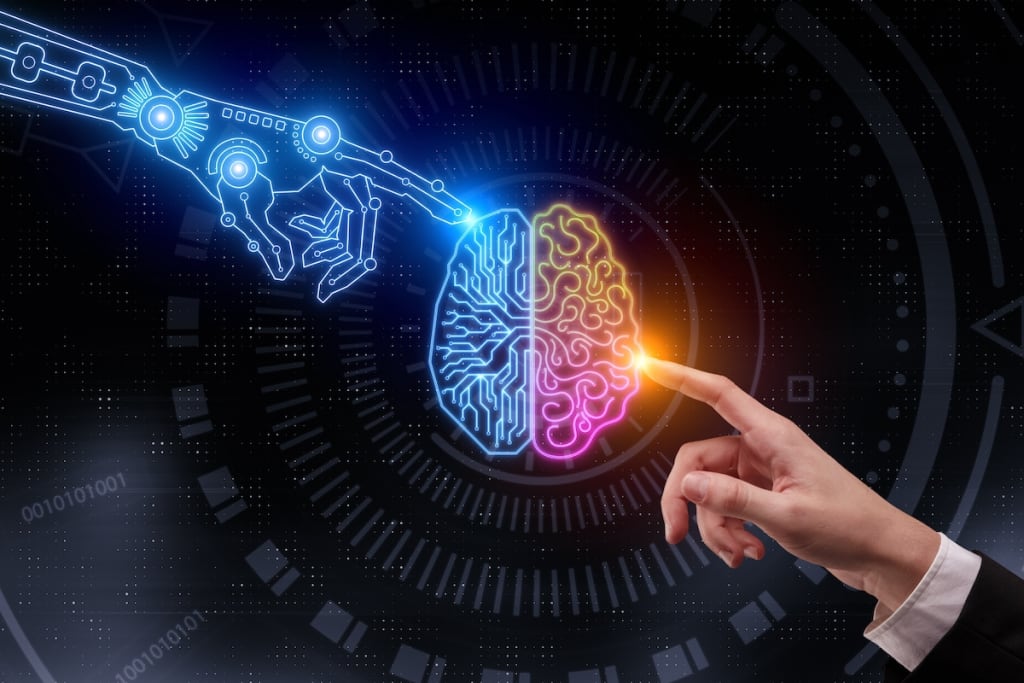
The future is always uncertain, but it's safe to say that technology will continue to play a major role in shaping our lives. From advancements in artificial intelligence to new ways of producing and storing energy, the potential for innovation is limitless. In this blog post, we'll explore some of the most exciting future technologies that could change the world as we know it.
1. Artificial Intelligence (AI), Artificial intelligence has been making waves in recent years, and its potential is only growing. AI has the potential to revolutionize everything from healthcare to finance to transportation. With advancements in machine learning, natural language processing, and computer vision, AI has the potential to transform the way we live and work.
2. Quantum Computing, Quantum Computing is a type of computing that uses quantum-mechanical phenomena, such as superposition and entanglement, to perform operations on data. This allows quantum computers to perform certain calculations much faster than traditional computers. Quantum computing has the potential to revolutionize fields such as cryptography, chemistry, and materials science.
3. Augmented Reality (AR) and Virtual Reality (VR) Augmented reality and virtual reality are technologies that overlay digital information into the real world or create entirely new digital environments. These technologies have the potential to transform how we interact with our surroundings, from enhancing educational experiences to revolutionizing the way we shop.
4. Blockchain is a digital ledger technology that allows for secure, decentralized transactions. This technology has the potential to revolutionize industries such as finance and supply chain management by creating a more transparent and secure way to transfer and track information.
5. Biotechnology, Biotechnology is the use of living systems and organisms to develop new products or processes. Advancements in biotechnology have the potential to revolutionize healthcare by creating new treatments and therapies for diseases, as well as improving our understanding of genetics and human biology.
6. Renewable Energy, Renewable Energy technologies such as solar, wind, and hydropower have the potential to transform the way we generate and use energy. As these technologies become more efficient and cost-effective, they could replace traditional fossil fuels and help to mitigate climate change.
7. Space Exploration, Space Exploration has always been an area of fascination, but advancements in technology are making it more accessible than ever before. Private companies are developing reusable rockets and spacecraft, which could open up new possibilities for space tourism and exploration.
These are just a few examples of the many exciting technologies that could shape the future. While the potential benefits of these technologies are enormous, it's also important to consider the potential risks and ethical implications. As we continue to push the boundaries of what's possible, it's important to approach these technologies with cautiously and consider for their impact on society and the environment.
8. 5G Networks, 5G networks are the next generation of wireless technology, offering faster data speeds, lower latency, and greater connectivity. This technology could revolutionize industries such as autonomous vehicles, remote surgery, and smart cities, enabling faster and more efficient communication between devices and machines.
9. Robotics Advancements in robotics are making it possible to create machines that can perform tasks more efficiently and effectively than humans. From manufacturing and transportation to healthcare and education, robots have the potential to transform how we live and work.
10. Nanotechnology, Nanotechnology involves the manipulation of materials on a nanoscale level. This technology has the potential to revolutionize industries such as medicine, energy, and electronics by creating materials and devices with new and unique properties.
11. 3D Printing, 3D Printing is a technology that allows for the creation of three-dimensional objects from digital files. This technology has the potential to revolutionize industries such as manufacturing, architecture, and healthcare by enabling faster and more efficient production of complex objects.
12. Biometrics, Biometrics involves the use of unique physical and behavioral characteristics, such as fingerprints and facial recognition, for identification and authentication. This technology has the potential to improve security and privacy in areas such as banking, healthcare, and government.
13. Internet of Things (IoT) The Internet of Things involves the connection of everyday objects to the internet, enabling them to send and receive data. This technology has the potential to revolutionize industries such as healthcare, transportation, and agriculture by creating smarter and more efficient systems.
These future technologies are just a few examples of the many innovations that could transform our world in the coming years. As with any technology, it's important to approach these advancements with caution and consideration for their impact on society, privacy, and the environment. By doing so, we can ensure that these technologies are used to improve our lives and create a better future for all.
14. Energy Storage As renewable energy sources become more prevalent, the need for efficient energy storage solutions is growing. Advancements in energy storage technology, such as batteries and supercapacitors, could enable us to store and use renewable energy more effectively, reducing our dependence on fossil fuels.
15. Autonomous Vehicles, Autonomous vehicles are self-driving cars that use sensors and software to navigate roads without human input. This technology has the potential to revolutionize transportation by reducing accidents, improving traffic flow, and increasing mobility for people who cannot drive.
16. Cognitive Computing, Cognitive computing involves the use of artificial intelligence and machine learning to mimic the way the human brain processes information. This technology has the potential to revolutionize industries such as healthcare and finance by enabling more efficient and accurate data analysis and decision-making.
17. Wearable Technology, Wearable technology includes devices such as smartwatches, fitness trackers, and augmented reality glasses that can be worn on the body. These devices have the potential to revolutionize healthcare by enabling continuous monitoring of vital signs and health data, as well as improving productivity in industries such as manufacturing and logistics.
18. Advanced Materials Advancements in materials science are enabling the development of new and innovative materials with unique properties. These materials could have applications in industries such as construction, transportation, and electronics, enabling more efficient and sustainable production of goods and services.
19. Digital Twins, Digital twins are virtual replicas of physical objects or systems that can be used for testing, analysis, and optimization. This technology has the potential to revolutionize industries such as manufacturing, energy, and healthcare by enabling more efficient and cost-effective development and testing of products and systems.
These future technologies are just a few examples of the many exciting innovations that could shape our world in the coming years. While these advancements offer incredible potential, it's important to approach them with caution and consideration for their potential risks and ethical implications. By doing so, we can ensure that these technologies are used to create a better future for all.
About the Creator
Keep reading
More stories from Rickey Martin and writers in Education and other communities.
Artificial Intelligence and Machine Learning
I. Introduction • Explanation of AI and ML • Importance of AI and ML in our lives Artificial Intelligence (AI) and Machine Learning (ML) are two terms that have been buzzing around for quite some time now. These two fields of technology have become integral components of our everyday lives, from the chatbots that assist us online to the personal assistants that control our smart homes. AI and ML are transforming the way we live, work and interact with the world around us. In this blog, we will explore what AI and ML are, how they work, and how they are revolutionizing our future.
By Rickey Martin3 years ago in Futurism
Breaking Down Private and Commercial Pilot Licenses
Taking flight is more than just a thrill; it can be a lifestyle or a full-fledged career. But before you can soar through the skies, you need to earn the appropriate pilot license. Two of the most common paths for aspiring aviators are the private pilot license (PPL) and the commercial pilot license (CPL). While both enable you to fly aircraft, they serve very different purposes and require varying levels of commitment. If you're deciding between the two, understanding the distinctions can help you make the right choice for your future in aviation.
By Jett Harris of Arkansas2 days ago in Education



Comments
There are no comments for this story
Be the first to respond and start the conversation.