
Future of Phones
The Next Generation: Unleashing the Power of Innovation

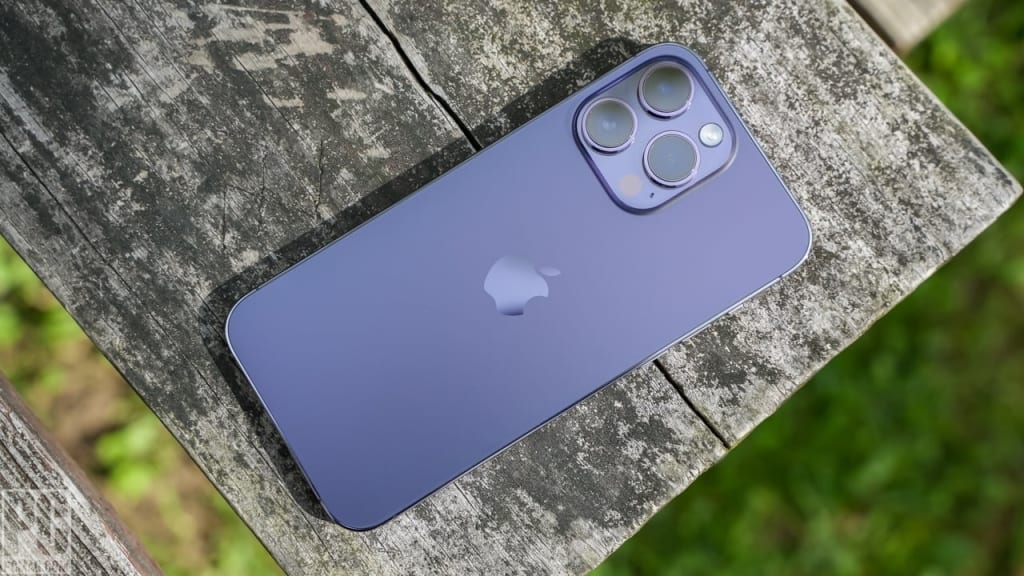
In the future, the use of phones by the younger generation will continue to be prevalent, shaping various aspects of their lives. With advancements in technology, phones will become even more integrated into everyday activities, communication, and entertainment.
Education will witness a significant shift as phones evolve into powerful learning tools. Future generations will rely on mobile devices for accessing educational resources, interactive lessons, and digital textbooks. Mobile apps and platforms will cater to personalized learning experiences, allowing students to learn at their own pace and receive instant feedback.
Communication will further be revolutionized by futuristic phone technologies. Voice recognition and augmented reality will enhance conversations, making them more immersive and engaging. Video calls will become more seamless and lifelike, enabling people to connect face-to-face regardless of their physical locations.
Phones will also play a central role in shaping entertainment and media consumption habits. Streaming services will continue to dominate, providing on-demand access to a vast array of content. Virtual reality and augmented reality experiences will become more accessible, providing immersive entertainment options right at users' fingertips.
The future generation will heavily rely on phones for managing their daily lives. From organizing schedules, tracking health and fitness, to managing finances and making purchases, mobile devices will serve as multifunctional personal assistants, simplifying various aspects of life.
However, concerns about phone addiction and its impact on mental health will persist. Striking a balance between technology use and offline activities will be crucial for the well-being of future generations. Society will increasingly emphasize digital wellness practices, encouraging mindfulness, and promoting healthy phone usage habits.
Overall, the future generation will continue to embrace phones as essential tools for learning, communication, entertainment, and personal management. As technology progresses, society will navigate the challenges and opportunities that come with this reliance on mobile devices, striving for a harmonious integration of technology into everyday life.
Phones are important for numerous reasons:
Communication: Phones allow us to stay connected with family, friends, and colleagues anytime, anywhere. They enable voice calls, text messaging, video chats, and social media interactions, fostering meaningful relationships and efficient commuication.
Information Access: With phones, we have instant access to a wealth of information at our fingertips. We can browse the internet, search for news, access educational resources, and stay updated on a wide range of topics.
Productivity: Phones have become essential tools for productivity. They offer email access, calendars, task management apps, and document editing capabilities, enabling us to stay organized, collaborate with others, and accomplish tasks on the go.
Navigation and Maps: Phones provide accurate GPS navigation, making it easier to navigate unfamiliar places, find directions, and locate nearby services such as restaurants, hotels, and gas stations.
Photography and Media: The advanced cameras and multimedia capabilities of phones allow us to capture and share moments instantly. We can take high-quality photos and videos, edit them, and share them on social media platforms, preserving memories and expressing creativity.
Entertainment: Phones offer a vast array of entertainment options, including music streaming, video streaming, gaming, e-books, and podcasts. They provide a portable entertainment hub, allowing us to relax and enjoy our favourite content wherever we are.
Personal Organization: Phones serve as digital personal assistants, helping us manage our schedules, set reminders, track fitness activities, and monitor health metrics. They consolidate various tools into a single device, simplifying and streamlining our daily routines.
E-commerce and Banking: Phones enable convenient online shopping and secure mobile banking. We can browse and purchase products or services, make payments, and manage our finances from the comfort of our phones.
Social Connectivity: Phones facilitate social networking and virtual communities. We can connect with like-minded individuals, share experiences, and participate in online discussions, fostering a sense of belonging and community.
Emergency Situations: Phones are vital during emergencies, allowing us to quickly contact emergency services, inform loved ones of our whereabouts, and access critical information in times of need.
Overall, phones have become an indispensable part of our lives, enhancing communication, information access, productivity, entertainment, and safety. Their importance lies in their ability to connect us to the world and empower us with convenience, efficiency, and endless possibilities.
About the Creator
How Much Does It Cost to Copy a Key at Walmart?
If you've ever found yourself locked out of your house or needing a duplicate key for convenience, you might have considered heading to your local Walmart. Known for its one-stop shop experience, Walmart offers a variety of services beyond groceries and household items, including key duplication
By Master Binz4 days ago in Education




Comments
There are no comments for this story
Be the first to respond and start the conversation.