
Frontend vs. Backend: Key Differences Every Web Developer Aspirant Should Know
Difference in Frontend vs. Backend

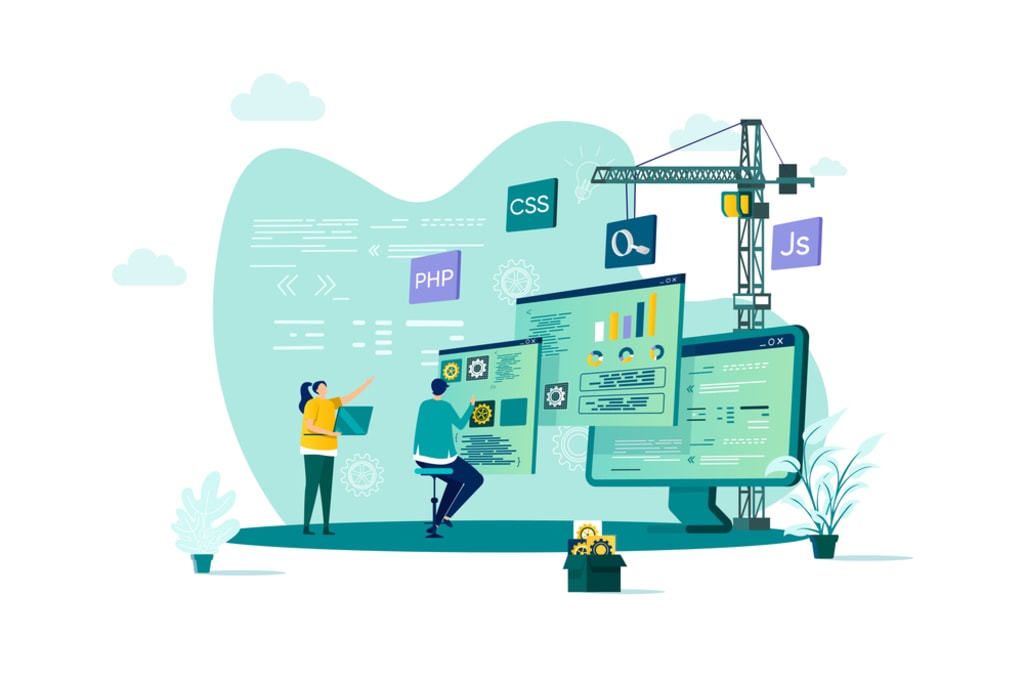
If you’re thinking about stepping into the world of web development, you’ve probably heard terms like "frontend" and "backend" tossed around quite a bit. But what do these terms actually mean? And how do they fit into the bigger picture of creating a website or app? This blog post will break down the basics of frontend and backend development so you can understand which path might suit you best. So, let’s dive in!
What is Frontend Development?
Imagine you’re browsing a website. Everything you see, click, or interact with on that site is the work of a frontend developer. The frontend is the part of the website that users directly engage with. It’s all about how the website looks and feels. So, if you’re interested in creating beautiful websites that are easy to use, the frontend might be your calling.
Key Elements of Frontend Development
HTML (HyperText Markup Language): This is the backbone of any webpage. HTML is responsible for structuring the content on a website. It tells the browser what to display and where to display it. Think of HTML as the framework or skeleton of your site.
CSS (Cascading Style Sheets): Once HTML sets up the structure, CSS takes care of the styling. CSS makes websites look visually appealing. It controls colors, fonts, layouts, and more. With CSS, you can make your website look exactly how you want it to.
JavaScript: HTML and CSS create a static page, but JavaScript brings it to life. JavaScript adds interactivity to your site. Think of things like image sliders, pop-ups, and form validations. If you want your site to respond to user actions, you’ll need JavaScript.
Popular Frontend Frameworks and Libraries
Frontend development has evolved a lot, and there are several frameworks and libraries that make things easier for developers:
React: React, developed by Facebook, is one of the most popular frontend libraries. It makes it easy to build complex user interfaces by breaking them into reusable components.
Angular: Developed by Google, Angular is a powerful framework for building large-scale applications. It’s great for building dynamic web applications.
Vue.js: Vue.js is a flexible and beginner-friendly framework. It’s great for building interactive user interfaces and single-page applications.
What is Backend Development?
While the frontend is what users see, the backend is what makes everything work behind the scenes. Backend development focuses on the server side of the application. It’s all about how data is stored, managed, and sent back to the frontend when needed. Backend developers work on the server, databases, and application logic that support the frontend.
Key Elements of Backend Development
Server: A server is like the engine of a website. It receives requests from the client (the user’s browser) and sends back the necessary information. Backend developers set up and manage the server.
Database: Websites often need to store a lot of data, like user profiles, product details, and orders. Databases keep this data organized and easy to retrieve. Popular databases include MySQL, MongoDB, and PostgreSQL.
Backend Languages: These are the programming languages used to create the server-side logic. Some common backend languages include:
PHP: This is one of the oldest and most widely used languages for backend development, especially for building dynamic websites.
Node.js: Node.js allows developers to use JavaScript for backend development, making it possible to use one language for both frontend and backend.
Python: Known for its simplicity and readability, Python is a popular choice for backend development, especially for data-heavy applications.
Popular Backend Frameworks
Express.js: Express is a minimal framework for Node.js, making it easy to build web applications and APIs.
Django: Django is a high-level Python framework that encourages rapid development and clean design.
Laravel: Laravel is a popular PHP framework known for its elegant syntax and helpful tools for web development.
Frontend vs. Backend: Key Differences
Now that you have a basic understanding of what frontend and backend development entail, let’s look at the key differences between the two:
Purpose and Focus
Frontend: Focuses on the user experience. It’s all about design, layout, and interactivity.
Backend: Focuses on data and server management. It ensures the website works smoothly behind the scenes.
Languages and Tools
Frontend: Primarily uses HTML, CSS, and JavaScript. Common tools include React, Angular, and Vue.js.
Backend: Uses languages like PHP, Node.js, and Python. Popular frameworks include Express, Django, and Laravel.
Skills and Roles
Frontend Developers: Need to have a good eye for design and understand user experience. They often work closely with designers.
Backend Developers: Need to understand databases, server management, and how to handle data efficiently.
User Interaction
Frontend: Directly interacts with the user. Everything you see on a website, from buttons to forms, is part of the frontend.
Backend: Users don’t directly interact with the backend, but it’s essential for handling data and ensuring the website functions correctly.
Which One Should You Choose?
Now comes the big question: should you go for frontend or backend development? Well, it depends on your interests and skills. Here are a few questions to help you decide:
Do you enjoy designing websites and making them look good? Are you interested in creating user-friendly interfaces? If yes, then frontend development might be a good fit for you.
Are you more interested in how things work behind the scenes? Do you like solving complex problems related to data and servers? If so, backend development could be the right path for you.
Not sure which one you like more? You could become a full-stack developer! Full-stack developers are skilled in both frontend and backend development. They understand how to create a complete website from scratch.
Conclusion
Both frontend and backend development are essential parts of web development. While the frontend deals with what users see and interact with, the backend ensures everything runs smoothly behind the scenes. Understanding the differences between frontend and backend can help you decide which path is best for you. Remember, there’s no right or wrong choice here. Whether you choose frontend, backend, or both, you’ll be stepping into a world full of exciting opportunities!
About the Creator
Ankit Vishwakarma
Hi my name is Ankit and I'm a content writer and digital marketing manager in IT Training Indore. I've work some different different domains like about animals feed and SaaS companies.
Check my blogs: https://www.ittrainingindore.in/
Keep reading
More stories from Ankit Vishwakarma and writers in Education and other communities.
10 Essential Coding Practices for Beginners
Starting your coding journey is exciting, but it can be a little overwhelming. To help you avoid common pitfalls and build a strong foundation, here are 10 essential coding practices every beginner should follow. These tips will not only make your code better but also improve how you think about programming in the long run.
By Ankit Vishwakarmaabout a year ago in Education
Was Alexander the great really that great?
Order, order! Who do we have on the stand today? Alexander... the Great, eh? Well, what’s so great about him? Your honor, the better question is, what's not great about him? He was the King of Macedon and considered a living demigod by Egyptians and Greeks alike. He conquered Persia when it was one of Earth's largest empires. And he was a thoughtful student of Aristotle, creative enough to untie the impossibly tight Gordian knot by cutting it in half. The Gordian knot is a myth— just like the countless other stories invented to enhance Alexander’s legend!
By Munesh Yadav2 days ago in Education
Preparing Health Systems to Perform Under High-Stakes Crisis Conditions
High-stakes crises have become an increasingly common challenge for health systems worldwide. Whether dealing with infectious disease outbreaks, natural disasters, mass casualty incidents, or cybersecurity breaches, healthcare organizations must be ready to respond rapidly and effectively. Preparation is essential not only to ensure patient safety but also to maintain operational stability during times of extreme pressure. Health systems that invest in proactive planning, strong leadership, and resilient infrastructure are better equipped to manage crises without compromising care quality. Preparing for high-stakes situations requires a comprehensive approach that focuses on readiness, coordination, and continuous learning.
By Craig Kentabout 10 hours ago in Education


Comments
There are no comments for this story
Be the first to respond and start the conversation.