
From Seed to Snack: Teaching Children About Food in Nursery Settings
Food Education in Early Years

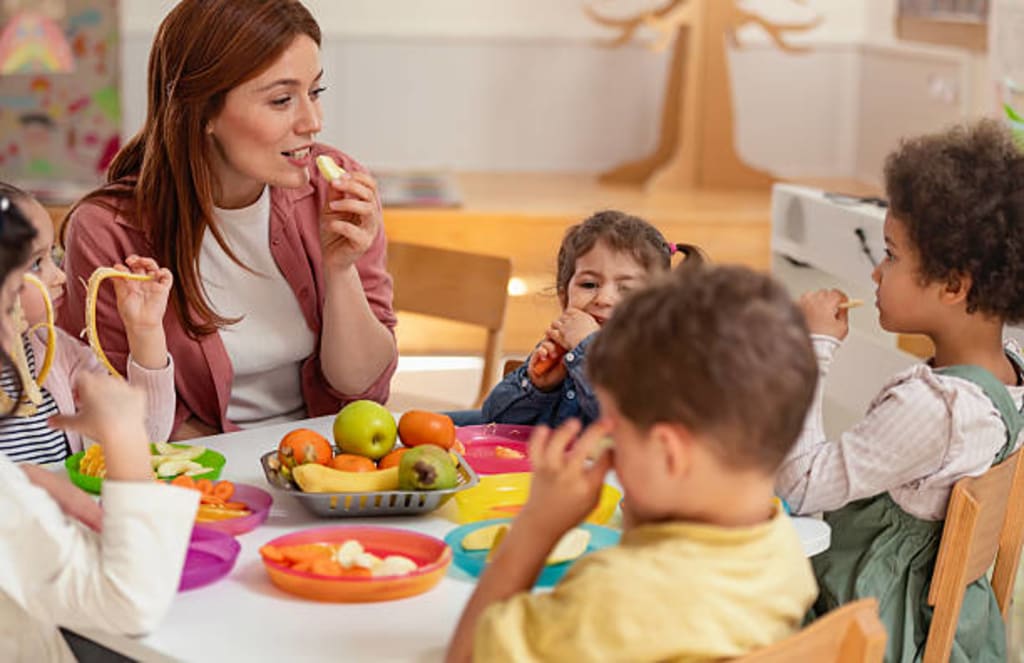
Food is more than just nourishment—it’s a pathway to learning, growth, and lifelong healthy habits. In nursery settings, introducing children to where food comes from and how it is prepared can spark curiosity, foster responsibility, and encourage healthier choices from an early age.
By transforming everyday meals into interactive lessons, nurseries create opportunities for children to connect with nature, understand nutrition, and appreciate the journey from seed to snack.
Why Food Education Matters in Early Childhood
The habits and attitudes children develop in their early years often stay with them for life. Teaching young learners about food encourages them to see it as more than what appears on their plate.
Understanding how fruits and vegetables grow, exploring different textures, and participating in simple food preparation builds a foundation for healthy eating. It also nurtures respect for the environment and the people who grow our food.
Children who engage in food-related activities are also more likely to try new flavors. When they plant a seed, watch it grow, and harvest it themselves, they develop a sense of pride and curiosity that makes them excited to taste the results of their work.
Learning Through Gardening
Many nurseries now integrate gardening into their curriculum. Planting seeds, watering plants, and watching them grow into edible produce offers children hands-on experience with nature. It helps them understand the cycles of growth and the patience required to nurture living things.
Gardening is also an excellent way to connect science with daily life. Children can observe how sunlight, soil, and water contribute to growth, making abstract concepts more tangible. And when the time comes to harvest, the excitement of picking fresh fruits and vegetables creates a rewarding sense of accomplishment.
Food Preparation as a Learning Tool
Cooking activities in nursery settings teach children valuable life skills while also reinforcing lessons in language, math, and teamwork. Measuring ingredients introduces concepts of numbers and quantities, while following a recipe strengthens listening and sequencing skills. Sharing tasks—such as stirring, peeling, or arranging food—encourages cooperation and communication.
Importantly, food preparation activities empower children to make healthier choices. By exploring nutritious ingredients and learning how to prepare them in fun and simple ways, they begin to see healthy eating as enjoyable rather than restrictive.
Cultural Exploration Through Food
Food education also provides a rich opportunity to explore diversity. Introducing children to dishes from around the world helps them develop cultural awareness and appreciation for different traditions.
Cooking sessions featuring simple international snacks can spark discussions about geography, languages, and customs, all while building excitement around trying new tastes.
Choosing the Right Nursery Environment
Parents looking for a nursery that values hands-on food education should consider settings that balance academics, play, and real-life experiences. A top Nursery in Wembley might combine structured lessons with outdoor gardens and cooking activities, ensuring children benefit from a holistic approach to learning about food.
The environment matters: nurseries that create opportunities for exploration and discovery instill lasting lessons in curiosity, nutrition, and responsibility. By giving children the space to plant, cook, and taste, these nurseries encourage them to develop a lifelong positive relationship with food.
Personalized Learning in Food Education
Food learning is not one-size-fits-all. Every child has unique tastes, abilities, and cultural backgrounds that shape their relationship with food. A nurturing wembley nursery can tailor food education to individual needs, making sure that children feel included, respected, and encouraged to participate at their own pace.
For example, some children may enjoy planting seeds, while others may prefer tasting new snacks or helping mix ingredients. By offering varied activities, nurseries make food education inclusive and accessible for all.
Conclusion
From seed to snack, food education in nurseries lays the groundwork for healthier habits, deeper curiosity, and stronger life skills. Whether through gardening, cooking, or cultural exploration, children learn not only about nutrition but also about patience, teamwork, and respect for the world around them.
Nursery settings that embrace food education prepare children for more than just mealtimes—they equip them with knowledge, confidence, and a lifelong appreciation for healthy living. By starting early, nurseries help children understand that every snack has a story, and every meal is an opportunity to learn.
About the Creator
William Henry
At Best Independent Schools UK, we are here to make your journey smoother by providing detailed information about some of the best nurseries and preparatory schools in England
Keep reading
More stories from William Henry and writers in Education and other communities.
Open Doors, Open Hearts: Strengthening Parent–Nursery Partnerships
Early childhood is a period of rapid growth, exploration, and emotional development. Nurseries do more than provide childcare; they lay the foundations for lifelong learning, curiosity, and well-being.
By William Henry6 months ago in Education
Why the Sun’s Core Is Hotter Than Its Surface: The Science Behind the Sun’s Extreme Temperatures
Introduction: A Cosmic Mystery in the Sky Every day, the Sun rises and lights up our world. It warms the oceans, powers plants through photosynthesis, and drives Earth’s climate system. Yet behind this familiar glow lies one of the most fascinating mysteries of astrophysics: the Sun’s core is far hotter than its surface.
By shahkar jalala day ago in Education
A Memory I’ll Hold On to Forever
The hallway outside the classroom was unusually quiet that morning. Most of the students had already arrived. Their voices floated through the door; laughter, small conversations, the rustling sound of chairs being moved across the floor.
By Lori A. A.3 days ago in Education
Hottest in the Office
Dear Rafi, You’re very distracting to work around. For the first second I saw you the other day, I thought you were some type of executive. It took a moment to realize no, you were just the new guy, dressed up for the job he wants. Be still, my heart.
By Gabriel Shames5 days ago in Pride



Comments
There are no comments for this story
Be the first to respond and start the conversation.