
From Pongal to Makar Sankranti: Understanding the Harvest Festivals of India
Exploring the Significance, Traditions and Celebrations of India's Bountiful Harvest Festivals
From Pongal to Makar Sankranti: Understanding the Harvest Festivals of India
I. Introduction
- Explanation of the significance of harvest festivals in India
- Brief overview of Pongal and Makar Sankranti
II. Understanding Pongal
- History and origins of Pongal
- Significance of the festival in Tamil Nadu and other South Indian states
- Traditional celebrations and customs associated with Pongal
- Special foods and delicacies prepared during the festival
III. Understanding Makar Sankranti
- History and origins of Makar Sankranti
- Significance of the festival across India, particularly in North India
- Traditional celebrations and customs associated with Makar Sankranti
- Special foods and delicacies prepared during the festival
IV. Comparison and contrast between Pongal and Makar Sankranti
- Similarities in the celebration of both festivals
- Differences in the customs and traditions associated with both festivals
- How they reflect the diversity of Indian culture
V. Conclusion
- Summary of key points covered in the article
- Personal reflection on the importance of understanding and celebrating harvest festivals in India
I. Introduction
Explanation of the significance of harvest festivals in India: Harvest festivals are an important part of the agricultural calendar in India, marking the end of the crop-growing season and the beginning of a new one. These festivals celebrate the bountiful harvest and the hard work of farmers. They are an important part of the cultural and social fabric of the country.
Brief overview of Pongal and Makar Sankranti: Pongal is a four-day festival celebrated in the Indian state of Tamil Nadu and some other parts of South India. It is celebrated in the month of January and is dedicated to the Sun God. Makar Sankranti is a festival that marks the beginning of the harvest season. It is celebrated in different parts of India, usually in January, and has different names in different regions. It is celebrated as Pongal in Tamil Nadu, Sankranti in Andhra Pradesh and Karnataka, Maghi in Punjab and Bihu in Assam.
II. Understanding Pongal
History and origins of Pongal: Pongal is an ancient festival that has been celebrated for centuries. It is believed to have originated as a way to thank the Sun God for the bountiful harvest. The name "Pongal" means "boiling over" and refers to the traditional dish made of rice, lentils, and milk that is cooked as part of the festival's celebrations.
Significance of the festival in Tamil Nadu and other South Indian states: Pongal is one of the most important festivals in Tamil Nadu and other South Indian states, celebrated with great enthusiasm and fervor. It is a festival of thanksgiving, a time to thank the Sun God, cattle, and nature for their role in the harvest. It is also a time to celebrate the bond between humans and nature.
Traditional celebrations and customs associated with Pongal: Pongal celebrations include a variety of customs and traditions, such as decorating homes with Kolam, a traditional rangoli made with rice flour, making special Pongal dishes, and taking part in Pongal Vilakku, a traditional lamp lighting ceremony. There is also a tradition of cattle being decorated, and people give thanks to the cattle for their role in farming.
Special foods and delicacies prepared during the festival: Pongal festival is known for its delicious traditional foods and delicacies. The most famous dish is Pongal, a sweet dish made of rice, lentils, and milk. Other popular foods include Vada, Appam, and Payasam. These dishes are prepared in most of the homes and also offered to the Sun God as a prasadam.
III. Understanding Makar Sankranti
History and origins of Makar Sankranti: Makar Sankranti is an ancient festival that marks the onset of the harvest season. The festival is celebrated on the 14th of January every year, when the sun enters the zodiac sign of Makara (Capricorn). It is considered an auspicious day and is celebrated with great fervor across India.
Significance of the festival across India, particularly in North India: Makar Sankranti has different names and traditions across India. It is also celebrated as Lohri in Punjab, Bihu in Assam, Maghi in Haryana, and Sankranti in Andhra Pradesh and Karnataka. The festival is celebrated as a day of thanksgiving for the harvest, and also as a day of forgiveness and new beginnings.
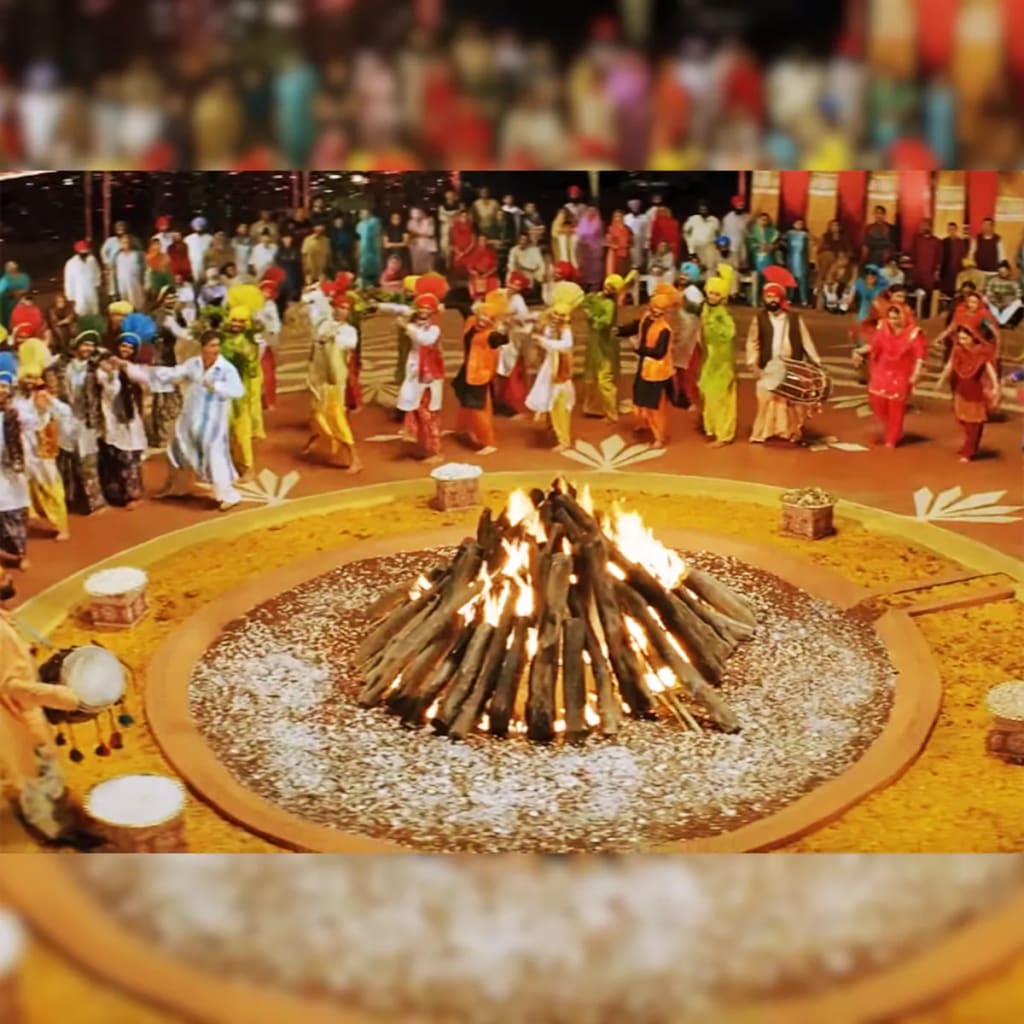
Traditional celebrations and customs associated with Makar Sankranti: Makar Sankranti celebrations include a variety of customs and traditions. In North India, people light bonfires and perform rituals to mark the start of the harvest season. In Maharashtra, people fly kites and in Andhra Pradesh, people take a dip in holy rivers on this day. People also exchange sweets and savory delicacies with friends and family as a sign of goodwill.
Special foods and delicacies prepared during the festival: Makar Sankranti is associated with a variety of traditional foods and delicacies, such as Tilgul, a sweet made of sesame seeds and jaggery, and Gud Poli, a sweet flatbread made of jaggery and wheat flour. Other popular foods include til laddoo, chikki, and pitha. These dishes are made and shared among family and friends during the festival.
IV. Comparison and contrast between Pongal and Makar Sankranti
Similarities in the celebration of both festivals: Both Pongal and Makar Sankranti are harvest festivals that are celebrated in January. Both festivals are dedicated to the Sun God and are celebrations of a bountiful harvest. Both festivals involve traditional customs such as decorating homes, lighting lamps, and cooking special foods.
Differences in the customs and traditions associated with both festivals: While Pongal is primarily celebrated in Tamil Nadu and other South Indian states, Makar Sankranti is celebrated across India under different names. Pongal celebrations focus more on cattle and their role in farming, whereas Makar Sankranti celebrations focus more on the harvest and the start of a new agricultural season. Pongal is celebrated for 4 days, Makar Sankranti is celebrated for 1 day.
How they reflect the diversity of Indian culture: Pongal and Makar Sankranti are examples of how India's diverse culture is reflected in its festivals. Both festivals have a common theme of celebrating the harvest, but they are celebrated in different ways and with different traditions. This diversity is what makes India such a unique and vibrant country, and it is important to understand and appreciate these differences.
V. Conclusion
Summary of key points covered in the article: The article provided an overview of the harvest festivals of Pongal and Makar Sankranti, including their history, significance, traditional celebrations, and special foods. It also compared and contrasted the two festivals, highlighting their similarities and differences, and how they reflect the diversity of Indian culture.
Personal reflection on the importance of understanding and celebrating harvest festivals in India: Harvest festivals are an important part of India's cultural heritage, and understanding and celebrating them can help us appreciate the country's rich history, tradition, and diversity. It also provides an opportunity to show gratitude and appreciation for the hard work of farmers, and to understand and appreciate the bond between humans and nature. Celebrating these festivals brings people together, strengthens the bond of community, and creates memories that will last a lifetime.
"Harvest festivals are not just about celebrating a bountiful crop, but about celebrating the bond between humans and nature, and the hard work of those who toil to bring food to our tables."
About the Creator
Nisha Madeshwaran
I'm good content writter and blogger and poem writter to explore my skill in the vocal media
Keep reading
More stories from Nisha Madeshwaran and writers in Education and other communities.
QUADRU-HAIKU
QUADRU-HAIKU Haiku is a traditional form of Japanese poetry that consists of three lines. The first and third lines contain five syllables, while the second line contains seven syllables. Haiku is often inspired by nature and the four elements – earth, air, fire, and water – are a common theme in many haiku. In this blog post, we will explore haiku inspired by each of the four elements.
By Nisha Madeshwaran3 years ago in Poets
How Early Hustle Jobs Build Real Mental Toughness for Life
Early hustle jobs—like babysitting, mowing lawns, stocking shelves, or working the drive-thru—might seem small on paper, but they often shape big psychological strengths. These first experiences with responsibility, pressure, and real-world expectations can build mental toughness in ways school alone usually can’t.
By David Lipan6 days ago in Education



Comments
There are no comments for this story
Be the first to respond and start the conversation.