
From Chaos to Clarity: A Data Analyst’s Impact on a Local Business
How Machine Learning Helped a Small Store Make Smarter, Data-Driven Decisions
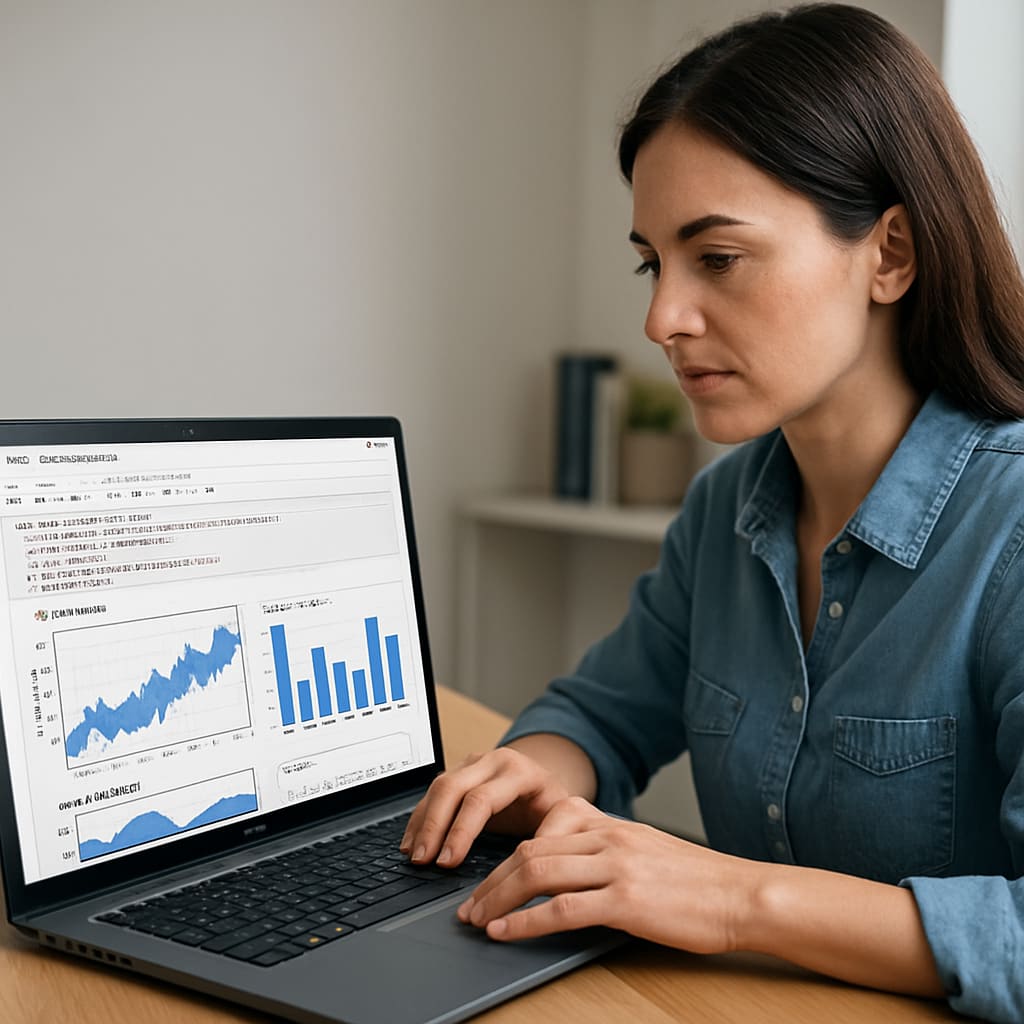
Small businesses are often built on intuition, experience, and close customer relationships. But as customer expectations rise and competition grows—even local shops are realizing the need to understand their data. This is the story of how a data analyst used machine learning and low-cost tools to help a small retail business transform confusion into clarity, and struggle into sustainable growth.
The Problem: Unpredictable Sales and Wasted Inventory
A small neighborhood store—selling everyday essentials and seasonal products—had been facing a steady decline in profitability. Despite loyal customers and a great location, sales were erratic. Some weeks were strong, while others left shelves full of unsold goods. Promotional efforts were inconsistent, and restocking decisions were based more on habit than data.
The owner had tried different approaches—changing store hours, offering discounts, and increasing advertising—but none seemed to work. Worse, inventory losses and deadstock were eating into the already thin margins.
What the business lacked was a clear picture of what was really happening.
The Opportunity: Bringing in a Data Analyst
The owner decided to bring in a data analyst on a part-time basis to “look at the numbers.” The store had raw data scattered across spreadsheets—daily sales logs, product inventory lists, and limited customer data from a loyalty program. It wasn’t perfect, but it was enough.
The analyst’s goal was clear: find patterns and use machine learning to predict what could happen next—and what actions the business should take.
The Process: Collecting and Understanding the Data
The first step was data cleaning. Using Python, the analyst worked in Google Colab to organize and prepare months of sales and inventory data. Pandas and NumPy helped reshape the information into a form that could be analyzed. The data was grouped by product type, date, and customer segment.
Several questions guided the analysis:
• Which products sell consistently?
• Are there seasonal patterns?
• What time of day or day of week brings in the most sales?
• Are there products that always end up overstocked or understocked?
• Which customers come back often, and what do they buy?
The Breakthrough: Forecasting and Segmentation Using Machine Learning
Using scikit-learn, the analyst built two key models:
1. Sales Forecasting Model
This model predicted future product demand using past sales data. The model factored in seasonality, local holidays, and historical trends to forecast how many units of each product would likely sell in the coming weeks. It helped the business plan restocks more accurately and reduce waste.
2. Customer Segmentation Model
Using unsupervised learning (clustering), the analyst grouped customers based on purchase behavior. One key insight emerged: weekday mornings saw a reliable group of loyal customers who frequently bought high-margin items. However, the business was investing most of its marketing efforts on weekends—when traffic was lower and less profitable.
The Action: Applying the Insights
With these findings, the analyst made several actionable recommendations:
• Inventory Management: Reduce orders of underperforming items, and restock high-demand products only during specific months.
• Targeted Promotions: Shift marketing efforts toward weekday promotions, especially early in the day, to align with loyal customers’ habits.
• Store Hours Adjustment: Modify staff shifts and open hours slightly to better serve peak times, improving efficiency.
• Product Placement: Position popular items closer to the entrance during high-traffic times based on the forecast data.
The analyst built a simple dashboard using Plotly and Dash, allowing the store owner to monitor sales forecasts, product performance, and customer segments on a weekly basis—without needing any technical expertise.
The Outcome: Small Changes, Big Impact
Within two months, the business saw measurable improvements:
• Sales increased by 23%, due to better promotions and more accurate stock levels.
• Inventory waste dropped by 40%, saving on unnecessary costs.
• Customer satisfaction rose, as the store was better stocked with the right products at the right times.
Most importantly, the store owner no longer had to rely on guesswork. Decisions were now guided by data—interpreted and turned into action by the analyst.
Why This Matters: The Analyst’s Role in Small Business Success
This story is more than just a success case—it reflects a growing shift in how small businesses can embrace data science without huge investments. With open-source tools, cloud-based platforms like Google Colab, and some basic ML models, a single data analyst can unlock insights that make a direct impact.
Machine learning doesn’t always need complex algorithms or massive datasets. In this case, it simply took curiosity, the right questions, and accessible technology to make a difference.
About the Creator
Emerging Financial Planning Shifts Advisors Must Use to Improve Client Outcomes
Financial planning continues to evolve as market conditions shift, technology advances, and client expectations expand beyond traditional investment guidance. Today’s clients want comprehensive plans that address more than assets and returns. They seek clarity, long-term stability, and strategies that adapt to changing life circumstances. For financial advisors, staying informed about the latest trends is essential to providing high-quality service and achieving stronger client results. Understanding these new trends allows advisors to create more personalized financial plans, improve communication, and deliver measurable value.
By Lee Generousabout 9 hours ago in Education
Top 10 SEO Experts In Pakistan In 2026
Introduction Search optimization in 2026 no longer revolves around keywords or isolated ranking tactics. Google’s AI Overviews, entity-based indexing, and answer-first systems have changed how visibility is earned. Search engines now evaluate meaning, credibility, and contextual authority rather than mechanical signals.
By Sajid Ali Shar4 days ago in Education




Comments
There are no comments for this story
Be the first to respond and start the conversation.