
From Cells to Society:
Understanding the Complex Process of Aging
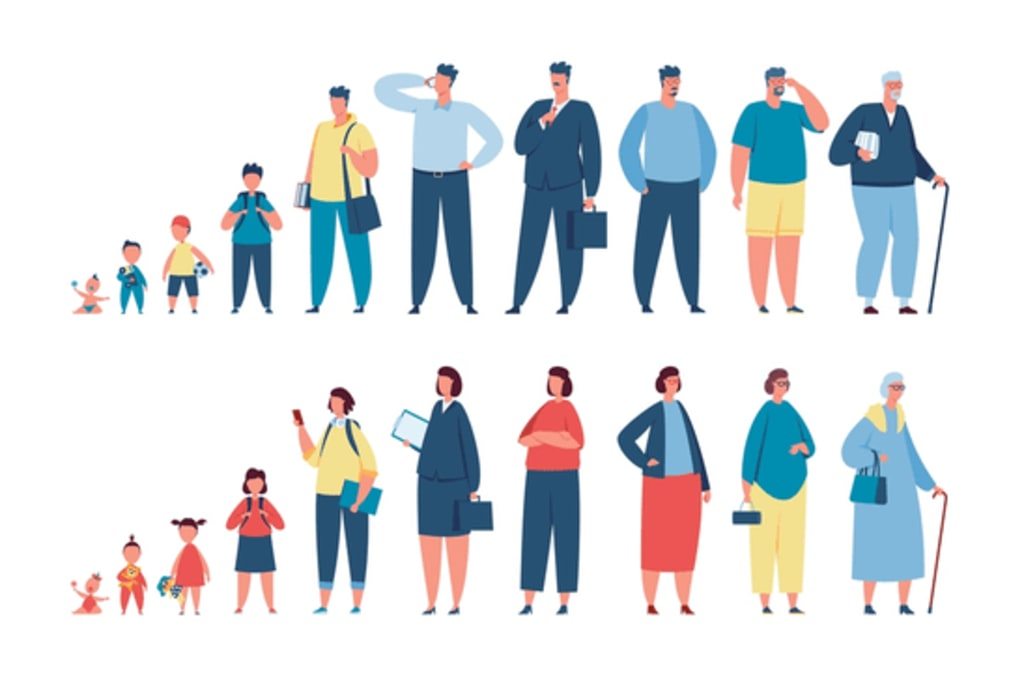
We start our aging journey the moment we are born. The steady change in our bodies is a result of time, environmental variables, dietary decisions, and the stressors in our life. At the cellular and molecular levels, scientists are beginning to understand the complex phenomenon of aging. The complex mechanisms of aging are examined in this article, with a focus on how cells deteriorate over time, how this affects our health, and the early warning signs that appear throughout our lifetimes.
I. The Cellular Level Aging Process:
Cellular Inflammation and Damage:
As we age, the immune system's function changes.
The effects of persistent inflammation on cellular health.
Oxidative stress and cellular consequences
As we age, the immune system's function changes.
The effects of persistent inflammation on cellular health.
Cellular aging and the effects of oxidative stress.
DNA Integrity and Telomere Length:
Telomeres serve as the DNA's protective caps.
Telomere shortening and aging are related.
Telomerase and its potential effects on anti-aging.
II. Aging Signs and Symptoms:
Decline in Sensation:
Loss of high-frequency noises and hearing loss.
impairment of vision and nearsightedness brought on by aging.
With aging, taste and scent alter.
Cognitive Degeneration
In the mid-20s, memory and intellect reach their apex.
cognitive impairment with age and viable remedies.
Cognitive impairments caused by neurodegenerative disorders.
Musculoskeletal Alterations
decreased bone density and an increase in fracture vulnerability.
loss of power and muscle mass (sarcopenia).
Potential mitigating factors include physical activity and diet.
Reproductive alterations:
After age 35, female fertility starts to drop.
Changes in male reproduction and their effects on fertility.
Age-related fertility concerns and the involvement of assisted reproductive technology.
Transformations of the Skin and Hair:
hair thinning and graying.
Skin changes, such as loss of suppleness and wrinkles.
the part that skincare, environmental factors, and genetics play in preserving good skin.
3. The Effect on General Health
Diseases Related to Age:
cardiovascular conditions and aging of the heart.
disorders that affect the nervous system, like Parkinson's and Alzheimer's.
obesity brought on by aging and metabolic diseases.
Immune System Activities
deterioration of the immune system and increased vulnerability to infections.
the prevalence of autoimmune disorders in older persons.
Immune response in the aged population and vaccination.
Psychiatric and emotional health:
difficulties with mental health among senior people.
methods of coping and tactics for enhancing wellbeing.
Social relationships
After age 35, female fertility starts to drop.
Changes in male reproduction and their effects on fertility.
Age-related fertility concerns and the involvement of assisted reproductive technology.
Transformations of the Skin and Hair:
hair thinning and graying.
Skin changes, such as loss of suppleness and wrinkles.
the part that skincare, environmental factors, and genetics play in preserving good skin.
Social interaction and the benefits of healthy aging.
learning throughout one's life and mental stimulation.
resilience and adaptability of the mind.
Conclusion:
In both the cellular and systemic levels, aging is a normal process. As we age, our health and general well-being gradually deteriorate due to the intricate interaction of numerous factors. We can improve our quality of life by comprehending the mechanics underlying aging, spotting early warning signals, and putting remedies into place.
By recognizing early indicators and putting measures into place, we can improve our quality of life and encourage healthy aging. We can accept aging with elegance and vitality if we use continuing scientific discoveries and a holistic approach.
About the Creator
Keep reading
More stories from Osaki Peters and writers in Education and other communities.
Exploring the Bay Area's Cutting-Edge Web Design Trends:
Introduction: Northern California's Bay Area is well known for its thriving tech scene, entrepreneurism, and innovative mindset. Innovative concepts and cutting-edge methods are nurtured in this region, notably in the area of web design. Businesses in the Bay Area are aware of the need of staying on top of trends and utilizing innovation to differentiate themselves in the digital sphere.
By Osaki Peters3 years ago in Education
Decoding the Rise and Fall of Global Commodity Markets
Commodity markets have always moved in waves, rising and falling in response to forces that stretch far beyond daily trading activity. These movements can appear chaotic on the surface, yet beneath the volatility lies a structure shaped by economics, human behavior, and long-term investment patterns. From energy and metals to agricultural products, commodities follow cycles that repeat over time, although never in the same way. Understanding these cycles offers clarity in markets often seen as unpredictable.
By Anthony Blumberg5 days ago in Education
Top 10 Essential Skills for Success in 2026
By 2026, the job market is no longer driven only by degrees or titles. Technology, especially Artificial Intelligence (AI), automation, and remote work, has changed how companies operate and how people work. Many routine tasks are now handled by machines, while humans are expected to do work that requires thinking, judgment, creativity, and emotional understanding. This shift means that skills — not just education — determine success. The following 10 skills are considered essential for 2026 because they combine technology awareness with human intelligence. Let’s understand them one by one, step by step.
By Talha khan4 days ago in Education



Comments
There are no comments for this story
Be the first to respond and start the conversation.