
From Abacus to Quantum Computing: The Evolution of Computer Technology
Computer Evolution

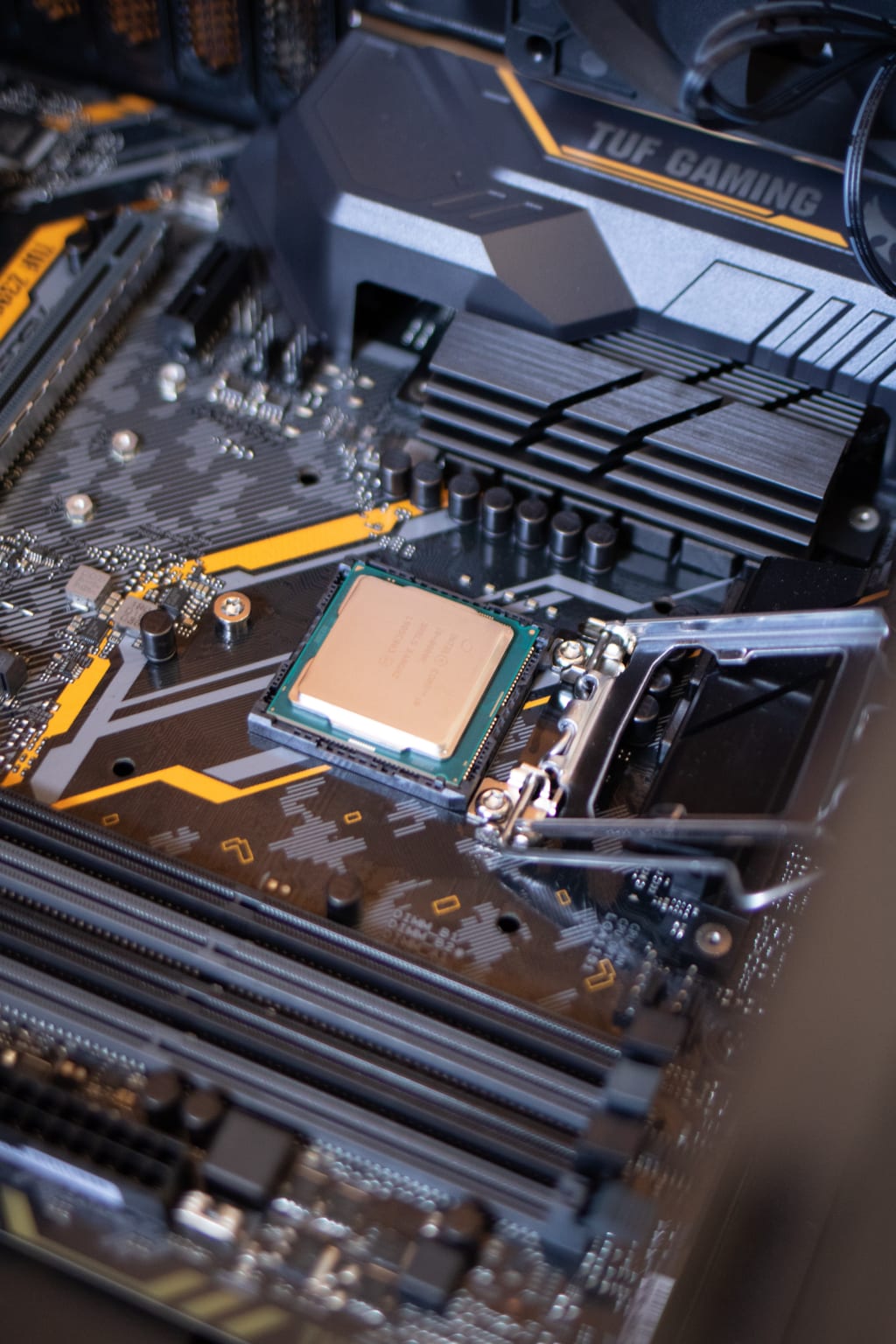
The history of computing is a fascinating one that spans thousands of years. From the earliest days of counting on fingers and using pebbles to represent numbers, to the advanced quantum computers of today, the evolution of computer technology has been an ongoing process of innovation and invention. In this article, we will explore the history of computing and the ways in which it has transformed the world we live in.
The Early Days of Computing
The history of computing can be traced back to ancient civilizations such as the Babylonians and Egyptians, who used simple counting devices such as the abacus to perform mathematical calculations. The abacus was an early form of a calculator, consisting of a frame with rows of beads that could be moved up and down to represent different numbers. The abacus was a simple yet effective tool that remained in use for thousands of years.

In the 17th century, the slide rule was invented, which allowed for more complex calculations than the abacus. The slide rule was a handheld device with sliding scales that could be used to perform mathematical operations such as multiplication and division. While the slide rule was a significant advancement over the abacus, it was still limited in its capabilities.
The first programmable computer, the Analytical Engine, was invented by Charles Babbage in the early 19th century. The Analytical Engine was a mechanical computer that could perform complex mathematical calculations using punched cards. While Babbage never completed the Analytical Engine, his work laid the foundation for the development of modern computing.
The Rise of Electronic Computing
The development of electronic computers in the 20th century was a significant milestone in the history of computing. The first electronic computer, the Electronic Numerical Integrator and Computer (ENIAC), was built in 1946. ENIAC was a massive machine that filled an entire room, and it could perform calculations much faster than any previous machine.
In the years that followed, electronic computers became smaller and more powerful, and the first programming languages were developed. In 1957, the FORTRAN programming language was introduced, which allowed for more complex calculations to be performed more easily. COBOL, another programming language developed in the same era, was used extensively in business applications and is still in use today.

In the 1970s, the emergence of personal computing marked a new era in computing. The Altair 8800, introduced in 1975, was the first commercially successful personal computer. It was followed by the Apple II, which was a major success and helped to establish Apple as a leader in the computer industry.
The Age of the Internet
The creation of the World Wide Web in the 1990s marked a new era in computing. The World Wide Web made it possible to share information and communicate with people all over the world, and it transformed the way we do business and interact with each other.
In the early 2000s, the rise of mobile computing marked another significant milestone in computing. The introduction of smartphones and tablets made it possible to access the internet and perform complex tasks from anywhere, at any time. This has had a profound impact on the way we live our lives, from the way we shop and communicate to the way we work and entertain ourselves.

The growth of cloud computing has been another major development in computing in recent years. Cloud computing allows for the storage and processing of data on remote servers, rather than on local computers. This has made it possible to perform complex tasks and process large amounts of data quickly and efficiently.
The Future of Computing
The future of computing is an exciting and rapidly evolving field. One of the most promising areas of development is quantum computing. Quantum computers use quantum bits, or qubits, which can exist in multiple states at the same time. This allows for the processing of vast amounts of data at speeds far beyond those of traditional computers. While quantum computing is still in its early stages, it has the potential to revolutionize the way we process information and solve complex problems.
Another area of development in computing is artificial intelligence and machine learning. These technologies are already being used in a wide range of applications, from self-driving cars to facial recognition software. As these technologies continue to develop, they have the potential to transform nearly every aspect of our lives, from healthcare and education to manufacturing and transportation.

Finally, biocomputing is another emerging field that holds great promise for the future of computing. Biocomputing uses biological molecules such as DNA to perform computations. This has the potential to revolutionize fields such as medicine and biotechnology, allowing for the development of new treatments and therapies.
In conclusion, the evolution of computer technology has been an ongoing process of innovation and invention, from the earliest days of counting on fingers to the advanced quantum computers of today. The history of computing has transformed the world we live in, from the way we communicate and do business to the way we entertain ourselves and process information. As computing continues to evolve, the potential for new innovations and advancements is limitless. The future of computing is an exciting and rapidly evolving field, and the possibilities are endless.
About the Creator
Keep reading
More stories from Issac Amia and writers in Education and other communities.
10 Daily Healthy Habits for a Better You – Tips to Improve Your Life
In today's fast-paced world, it's easy to neglect healthy habits that can significantly improve our well-being. But taking small steps every day can make a big difference over time. Here are ten daily healthy habits that you can incorporate into your life to help you become the best version of yourself.
By Issac Amia 3 years ago in Motivation
A Priceless Lesson in Lif
A Priceless Lesson in Life – Story No. 2641 Do not rush to judge anyone. Shazia Mubashir Once, there was a man who had four sons. He wished for his sons to learn an important lesson: never make hasty judgments about anyone or anything. He wanted them to understand that judging without experience and observation over time can lead to misunderstandings. To teach them this valuable lesson, the man devised a plan. He decided to send each son on a journey to observe a pear tree in a distant area.
By Sudais Zakwan2 days ago in Education
The Secret to Thriving Client-Consultant Relationships: Trust, Clarity, and Commitment
Strong client-consultant relationships are essential for delivering successful outcomes and sustaining long-term business growth. These partnerships are built on a foundation of shared purpose, open dialogue, and mutual respect. A consultant who can foster a deep connection with their client becomes more than just an external resource; they become a trusted partner in problem-solving and strategic growth.
By Nicole Metz7 days ago in Education



Comments