
Freedom to Grow: Why Free Choice Time Builds Confidence in Preschoolers
The Value of Free Choice Time in Preschool Schedules

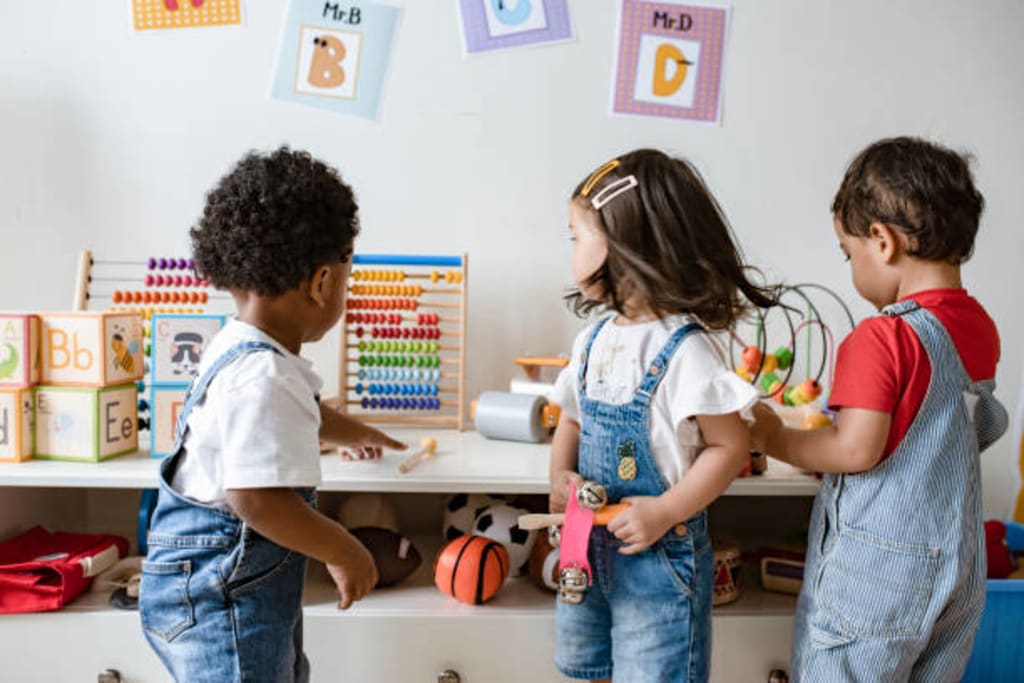
In early childhood education, there’s often a delicate balance between structure and freedom. While children thrive on routines and clear expectations, they also benefit greatly from opportunities to explore, make decisions, and take ownership of their learning.
One of the most powerful tools in fostering these skills is free choice time—a period where preschoolers are encouraged to choose their activities based on their interests and curiosity. This unstructured play is not just a time filler; it’s a key factor in building confidence, creativity, and problem-solving skills that will benefit children throughout their educational journey.
The Importance of Free Choice in Preschool Learning
Free choice time is an essential component of many early childhood education programs, allowing children to engage in self-directed play that aligns with their natural curiosities.
Whether it’s building with blocks, painting a picture, or playing pretend, free choice encourages exploration and helps preschoolers understand their own preferences and abilities. This autonomy in learning is crucial for fostering self-confidence.
At the best preschool in Surrey, like Parkhill School, educators understand the importance of offering children time and space to make their own decisions. During free choice time, children are given the freedom to select from a variety of activities, materials, and spaces, promoting an environment where they feel empowered to follow their instincts and learn at their own pace.
Developing Decision-Making Skills
One of the most important aspects of free choice time is that it teaches decision-making. While adults often make choices for children, giving preschoolers the opportunity to decide what to do next allows them to exercise their judgment.
Whether it’s choosing a friend to play with, picking a book to read, or deciding which puzzle to solve, these small decisions help children feel more competent and in control of their environment.
As children navigate the process of choosing and engaging in different activities, they also learn valuable lessons about cause and effect. For instance, if they choose to spend their time building a tower with blocks, they begin to understand that stacking them high requires patience and careful planning.
When they choose an activity, they are also learning how to assess risks, think critically, and deal with the outcomes of their choices, whether positive or negative.
Encouraging Social Skills and Independence
Free choice time also provides preschoolers with opportunities to develop important social skills. In an environment that fosters independence, children will often choose to work alongside their peers.
They may engage in cooperative play, negotiate roles, and solve problems together. This interaction encourages communication, empathy, and teamwork—all vital social skills that will help them succeed in future academic and social settings.
As they move through free playtime, children develop a sense of independence, learning to work through challenges and gain satisfaction from completing tasks on their own.
Teachers in preschools like Parkhill School are there to offer guidance when needed, but the goal is to support the child's ability to make decisions independently, which builds a deep sense of self-reliance and autonomy.
Fostering Creativity and Problem-Solving
Perhaps one of the most significant benefits of free choice time is the development of creativity. When children are given open-ended opportunities to play, they use their imagination to create stories, build structures, and explore new ideas.
This kind of unstructured play fosters innovative thinking, helping children become creative problem-solvers.For example, a child may choose to engage in dramatic play, pretending to be a chef in a restaurant or an explorer on a jungle adventure.
These imaginative activities not only spark creativity but also help preschoolers practice essential cognitive skills like planning, organization, and critical thinking. Through their play, children begin to think outside the box and approach challenges with curiosity rather than fear, knowing that they can explore solutions independently.
Emotional Development and Confidence
Free choice time also plays a significant role in supporting emotional development. When children are given the opportunity to make choices in a safe and supportive environment, they are more likely to feel confident in their abilities. This sense of self-efficacy builds over time, helping children develop a positive self-image and resilience in the face of challenges.
In a classroom where children are trusted to make their own decisions, they also experience a sense of control and agency over their learning, which fosters self-esteem.
Whether they are successful in their choice or need to ask for help, the experience of making decisions—and learning from the outcomes—helps children develop the emotional resilience necessary for success in later years.
Preparing for the Future
The confidence gained during free choice time in preschool has far-reaching benefits. As children grow older, they will encounter more complex decision-making situations, both academically and socially.
By fostering the ability to make independent choices early on, preschools like Parkhill School help prepare children for the more structured environments they will encounter in the future while still allowing them to maintain their independence and creativity.
The skills developed through free play—problem-solving, social interaction, independence, and creative thinking—are crucial for lifelong learning. These foundational abilities are not just important for preschool, but will be beneficial in navigating future educational challenges and career opportunities.
Conclusion
Free choice time in preschool isn’t just a chance for children to have fun; it’s an essential part of their development.
By providing an environment where children can explore, create, and make decisions on their own, preschools like the best preschool in Surrey and Parkhill School empower children to develop the confidence, independence, and problem-solving skills they need to succeed.
With these experiences in place, children are not only ready to tackle the challenges of school but are also prepared for the many challenges and opportunities life will present. Through free choice, young learners truly have the freedom to grow.
About the Creator
William Henry
At Best Independent Schools UK, we are here to make your journey smoother by providing detailed information about some of the best nurseries and preparatory schools in England
Keep reading
More stories from William Henry and writers in Education and other communities.
Guided Growth: The Impact of Mentorship in Independent Education
In today’s educational climate, where academic expectations are high and the pressures on young people continue to mount, the need for holistic support systems within schools has never been greater.
By William Henry9 months ago in Education
Competitive Distance Running Excellence Built on Repeated High Race Placements
Competitive distance running rewards athletes who can perform well again and again. One strong finish is impressive, but multiple high placements in recent races show true consistency. These results point to smart training, clear focus, and the ability to manage pressure over time. This article explores how competitive distance running athletes achieve repeated success, why high placements matter, and what helps runners stay near the front of the field.
By Daniel Podor4 days ago in Education
Is Pharmacy Tech a Good Career Choice for 2026?
Given the recent shifts in the market and AI automation, people are now well aware that economic shakeups can drastically hinder their income sources. This is causing a lot of people to switch careers, and a majority of people are targeting healthcare roles. However, not all allied healthcare roles are created equal. Also, you can aim to become a medical assistant, but if you do not want to deal with patients, the ideal role for you is that of a Pharmacy Technician.
By Meaghan Howe4 days ago in Education




Comments
There are no comments for this story
Be the first to respond and start the conversation.