
FOUNDATION DESIGN CONSIDERATIONS FOR ENGINEERS
Every detail counts

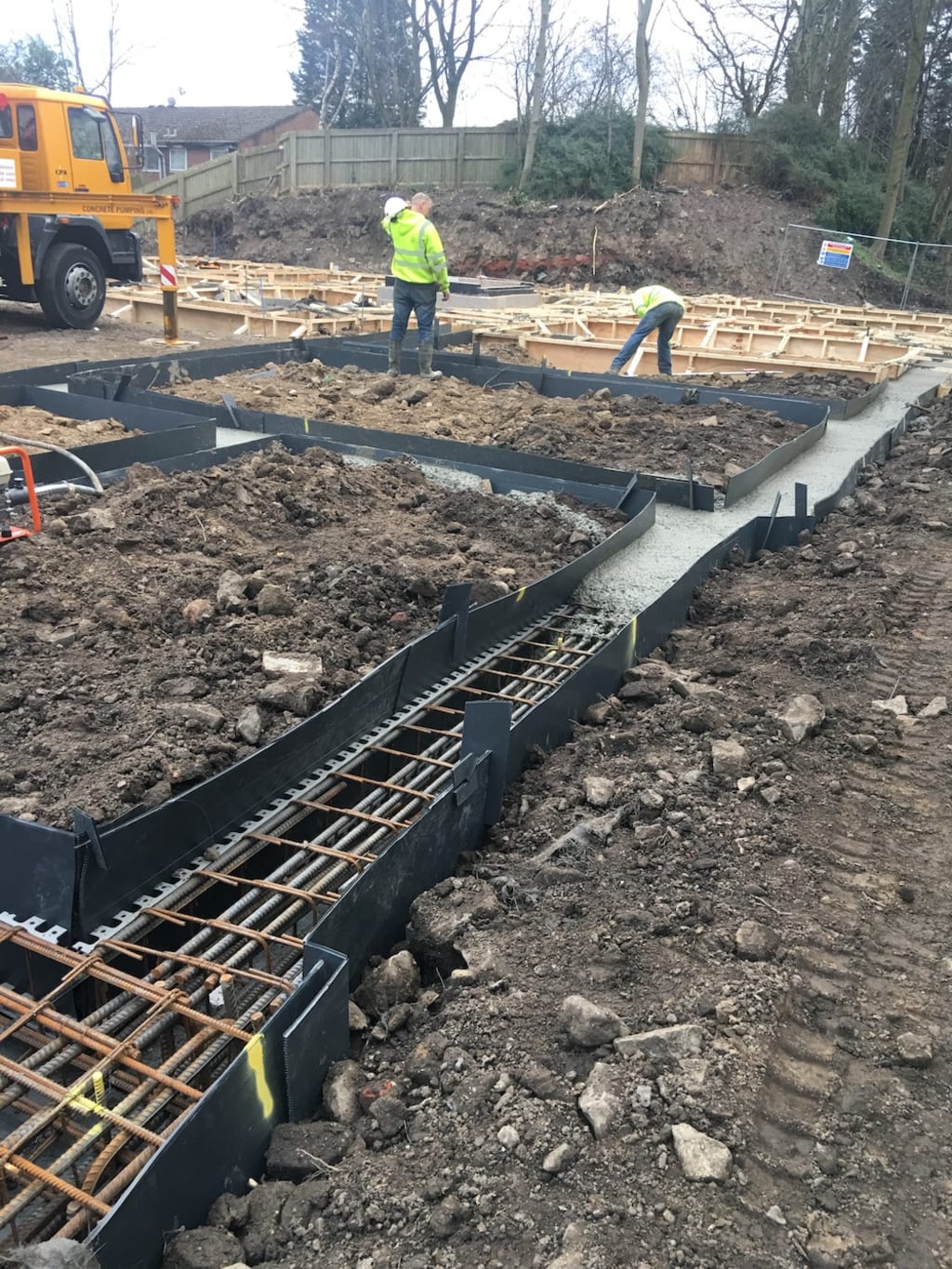
Foundations are the backbone of any structure, providing stability, support, and integrity. Engineers play a crucial role in designing foundations that can withstand various loads, environmental conditions, and ensure the longevity of the structure they support. The process of foundation design involves a myriad of considerations that engineers must carefully evaluate to ensure the safety and reliability of the entire construction project.
• Soil Analysis and Site Conditions
One of the primary factors influencing foundation design is the geological and geotechnical characteristics of the site's soil. Engineers need to conduct thorough soil analysis to determine its bearing capacity, settlement behavior, and potential for soil expansion or contraction. Different soil types such as clay, sand, and rock, have distinct properties that directly impact the choice of foundation type and design parameters.
The water table level, seismic activity, and local climate also play significant roles in foundation design. In areas prone to earthquakes, engineers must incorporate measures to ensure the foundation can absorb and dissipate seismic forces without compromising the structure's integrity.
• Load Calculation and Structural Requirements
The load-bearing capacity of a foundation depends on the type of structure it supports and the loads it needs to carry. Engineers must calculate both the dead loads (permanent, fixed loads like the weight of the structure itself) and live loads (temporary loads like occupants, furniture, and equipment) accurately. These calculations guide the selection of appropriate foundation materials, dimensions, and reinforcement.
Additionally, the foundation design must account for dynamic loads such as wind, seismic forces, and vibrations. Engineers should factor in potential changes in load over time, as well as the impacts of nearby structures or future expansions.
• Foundation Types
Several foundation types are commonly used in construction, each with its own advantages and suitability for specific site conditions:
1. Shallow Foundations: These include spread footings and mat foundations. Spread footings distribute loads over a larger area, reducing the pressure on the soil. Mat foundations, also known as raft foundations, are large slabs that distribute loads evenly and are suitable for buildings with heavy loads or poor soil conditions.
2. Deep Foundations: These include piles and drilled shafts. Piles are long, slender columns driven deep into the ground to transfer loads to more stable soil or rock layers. Drilled shafts involve excavating deep holes and filling them with concrete or reinforcing materials to bear the structure's weight.
3. Pier Foundations: Pier foundations consist of vertical columns of concrete or steel supporting the structure above. They are often used in areas with high water tables or uneven soil conditions.
4. Floating Foundations: Floating foundations are used in areas with soft or expansive soil. These foundations "float" on the soil rather than resting on it, reducing the risk of settlement.
5. Caisson Foundations: Caisson foundations are employed when the soil near the surface is unstable. They involve sinking a watertight chamber into the ground and filling it with concrete to create a stable foundation.
• Environmental Considerations
Environmental factors such as temperature changes, moisture levels, and chemical exposure can impact the durability of a foundation. Engineers must choose materials that can withstand the local climate and soil conditions. Proper drainage systems, waterproofing, and corrosion-resistant materials are often incorporated to mitigate these effects and extend the foundation's lifespan.
• Construction Process and Quality Control
A well-designed foundation is only as effective as its construction. Engineers must collaborate closely with contractors to ensure the foundation is built according to the design specifications. Quality control measures are crucial to verify that the materials used, construction methods, and execution align with the engineer's plans.
• Future Considerations and Maintenance
Engineers should also consider the long-term maintenance and potential for future modifications. Providing access points for inspections and repairs, as well as considering the possibility of additional loads due to future renovations or expansions, is vital for the ongoing stability of the structure.
In conclusion, foundation design is a multifaceted process that demands meticulous analysis, thorough calculations, and a deep understanding of soil mechanics and structural engineering principles. Every engineer must account for various factors including soil characteristics, load requirements, environmental conditions, and construction quality to ensure the safety, stability, and longevity of the structures they design. By carefully considering these factors and selecting the most appropriate foundation type, engineers play a pivotal role in creating the solid groundwork upon which successful construction projects stand.
About the Creator
Abdulai Nantogmah Elijah
I am a seasoned civil engineer with a passion for designing and constructing innovative infrastructure solutions that blend functionality, sustainability, and aesthetics.
Keep reading
More stories from writers in Education and other communities.
The Role of Helicopters in Solving Island Nation Transportation Challenges
Island nations exist in environments where geography dictates mobility rather than convenience. Water divides communities, terrain restricts roads, and distance behaves differently than it does on large continental landmasses. As Glenn Allyn explains, drawing on aviation efficiency principles associated with White Plains, New York, helicopters offer a transportation model that aligns with these realities by eliminating dependence on continuous land routes, fixed maritime schedules, and runway-based infrastructure. Their ability to operate freely above land and sea reshapes how island nations move people, deliver services, and sustain economic activity across fragmented territories.
By Glenn Allyn5 days ago in Education
The Rise of Blooket: Shaping the Future of Learning and Digital Interaction
The world of education, business, and design is constantly evolving. Every year, new technologies emerge, promising to revolutionize the way we interact, learn, and even think. However, there’s one concept that has recently been gaining attention in the education sector that may not be on the tip of everyone’s tongue: Blooket.
By Backlinks Cart6 days ago in Education
Our Song
Evening has given way to night. Gently, I settle next to you on the comfortable, old love seat and reach for your hand. You snatch it away, again. It cuts me to the quick, but I hide the pain, understanding that the reaction is but part of your demented state. Since the accident, your presence here in our cozy home has been clouded by a haze I can't see. Nevertheless, I feel the frigidity of your expressions and it serves as an excruciating reminder of the immeasurable distance between us.
By Dana Crandell6 days ago in Fiction
I've Just Realized
The President doesn't understand music. There. It felt very good to write that; it's some thing I just realized today. Oh , yes; he plays it. He TRUMPets it in rallies and meetings, pumps it across the airwaves when he gathers up our minutes waiting for his late arrival.
By Judey Kalchik a day ago in Beat




Comments
There are no comments for this story
Be the first to respond and start the conversation.