
Foot Health: The Importance of Taking Care of Your Feet
Why Your Feet Deserve More Attention: The Impact of Foot Health on Overall Wellness
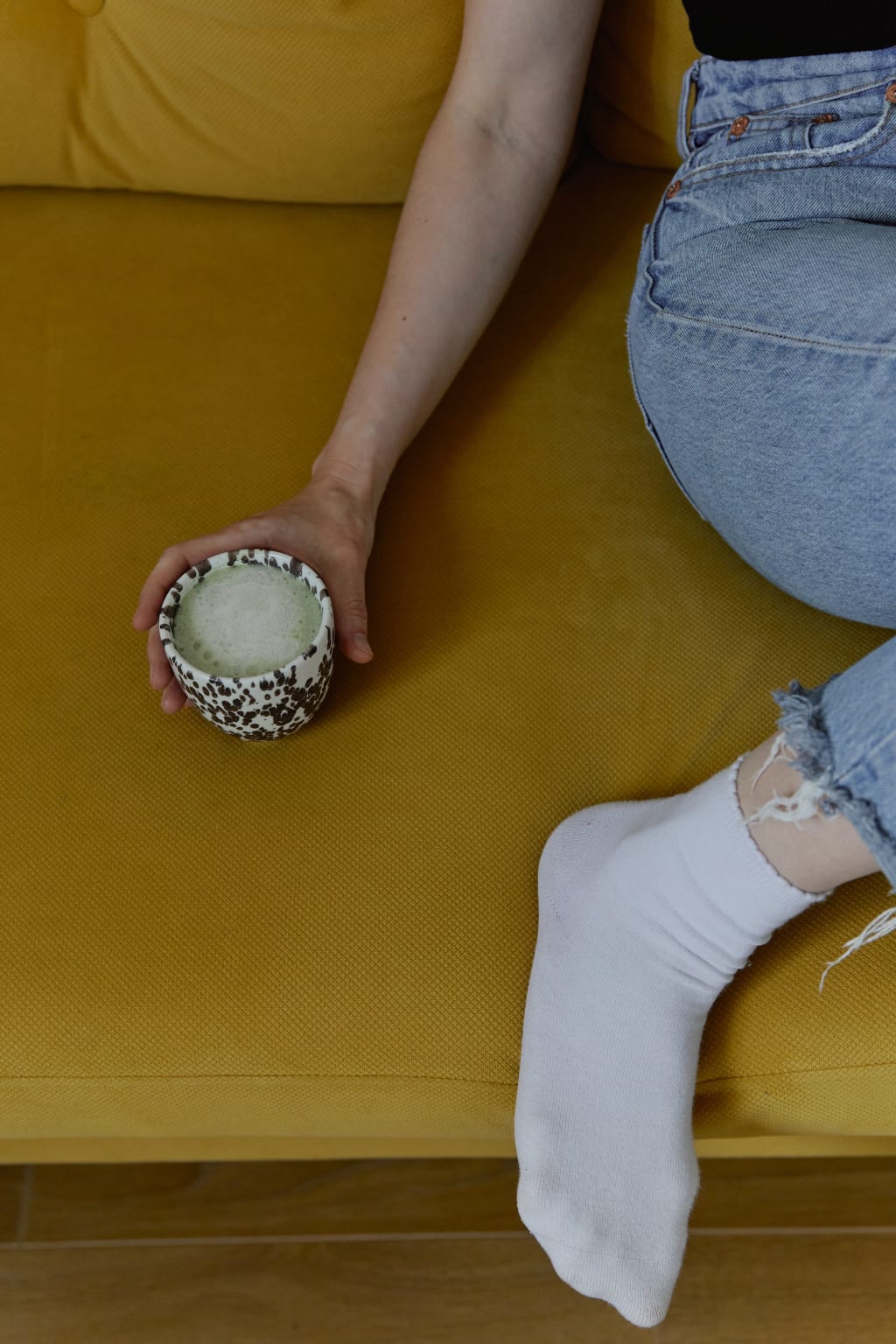

Foot health is an often-overlooked aspect of overall wellness, but taking care of your feet can have a significant impact on your quality of life. One simple way to promote foot health is to choose the right socks. While it may seem like a small detail, wearing the right socks can prevent blisters, keep your feet dry and comfortable, and even help with certain medical conditions.
First, it's important to understand the anatomy of the foot. Your feet are made up of 26 bones, 33 joints, and more than 100 muscles, tendons, and ligaments. They're also one of the most hardworking parts of your body, supporting your weight and allowing you to walk, run, jump, and dance. With all that activity, it's no wonder that feet can be prone to injury and discomfort.
One of the most common foot problems is blisters. Blisters occur when there's friction between your skin and your socks or shoes, causing the layers of skin to separate and fill with fluid. This can be painful and can even interfere with your ability to walk or run. To prevent blisters, it's important to choose socks that are made of a material that wicks away moisture, such as wool, nylon, or polyester. These materials will help keep your feet dry, which reduces the chances of friction and blisters.
Another consideration when choosing socks is the thickness. Thicker socks can provide more cushioning and protection for your feet, but they can also make your shoes feel too tight, which can lead to blisters. Thinner socks may not provide as much cushioning, but they can be more comfortable in certain types of shoes. Ultimately, the right thickness depends on your personal preference and the activities you'll be doing while wearing the socks.
If you have certain medical conditions, such as diabetes, choosing the right socks is even more important. Diabetes can cause nerve damage and poor circulation in the feet, which can lead to foot ulcers and other complications. Choosing socks that are seamless, moisture-wicking, and non-binding can help prevent these issues. Some socks are even specially designed for people with diabetes, with extra padding and ventilation to promote circulation.
Compression socks are another type of sock that can benefit foot health. Compression socks provide graduated pressure that can help improve circulation and reduce swelling in the feet and ankles. They can be particularly helpful for people who are on their feet for long periods, such as nurses, teachers, or athletes. However, it's important to choose the right level of compression for your needs, as too much pressure can actually be harmful.
When it comes to foot health, socks are just one part of the equation. It's also important to choose the right shoes, maintain good hygiene, and stretch and exercise your feet regularly. However, by choosing socks that are designed to promote foot health and prevent problems like blisters and ulcers, you can give your feet the support they need to stay healthy and pain-free. So the next time you're shopping for socks, take a moment to consider your foot health and choose a pair that will keep your feet happy and comfortable. In addition to the factors mentioned above, the length of the socks can also play a role in foot health. For example, if you're wearing shoes that tend to rub against your ankles or if you're prone to blisters on your heels, ankle socks might not provide enough coverage or protection. In this case, choosing socks that are higher up on the leg, such as crew or knee-high socks, can provide additional coverage and reduce the risk of irritation or injury.
It's also important to pay attention to the fit of your socks. Socks that are too loose can bunch up or slide down, leading to discomfort and blisters. Socks that are too tight can restrict circulation and cause discomfort or even contribute to medical conditions like plantar fasciitis. When choosing socks, look for ones that fit snugly but comfortably, with no bunching or slipping.
Finally, it's worth investing in high-quality socks that are designed to last. Cheap socks might seem like a good deal, but they're often made of inferior materials and can wear out quickly, leaving your feet vulnerable to blisters and other problems. Look for socks that are made of durable materials, with reinforced heels and toes that can withstand wear and tear.
In summary, choosing the right socks can have a big impact on foot health. Whether you're an athlete looking to prevent blisters, a diabetic seeking to prevent ulcers, or just someone who wants to keep your feet comfortable and pain-free, there's a sock out there that can meet your needs. Consider the material, thickness, length, fit, and quality of the socks you're wearing, and don't be afraid to invest in high-quality socks that will provide the support and protection your feet need.
Of course, socks alone aren't enough to keep your feet healthy. You also need to take care of your feet through good hygiene, regular exercise, and proper footwear. Make sure to wash and dry your feet daily, paying attention to any areas that are prone to sweating or irritation. Avoid going barefoot in public areas, as this can increase the risk of infection or injury. And take the time to stretch and exercise your feet regularly, using techniques like toe curls, ankle circles, and calf stretches.
When it comes to shoes, look for ones that fit properly and provide adequate support and cushioning. If you have a specific medical condition, such as plantar fasciitis or bunions, you may need to invest in specialized shoes that are designed to address your unique needs. And don't forget to replace your shoes regularly, as worn-out shoes can contribute to foot problems.
In conclusion, foot health is an important aspect of overall wellness, and choosing the right socks is one simple but effective way to promote foot health. By considering factors like material, thickness, length, fit, and quality, you can find socks that provide the support and protection your feet need to stay healthy and pain-free. And by taking care of your feet through good hygiene, regular exercise, and proper footwear, you can ensure that your feet stay strong and healthy for years to come.
(CLICK HERE FOR THE MOST EFFECTIVE METHOD TO PROTECT YOUR FOOT HEALTH!)
About the Creator
Keep reading
More stories from Osman Turkmen and writers in Education and other communities.
The Ultimate Guide to Perfecting Your Brushing Technique for Healthier Teeth
Dental health is an important aspect of overall health and wellbeing. Proper dental hygiene can help prevent tooth decay, gum disease, and other oral health problems. One of the most important tools for maintaining good dental hygiene is the toothbrush. In this article, we'll explore the importance of dental health and the different types of toothbrushes available.
By Osman Turkmen3 years ago in Education
How Data and Analytics Are Powering Hospitality Marketplace Growth
The hospitality marketplace is evolving fast, and success now depends on more than great service and competitive pricing. Platforms, hotels, vacation rentals, and travel brands are leaning on data and analytics to make smarter decisions, improve guest satisfaction, and stay ahead of shifting demand. From pricing to personalization, analytics is shaping how businesses attract customers and increase revenue.
By Jason Nissen6 days ago in Education
ISO 9001 in Abu Dhabi: What Auditors Check Most Often (Simple Checklist)
If your business is based in Abu Dhabi, an ISO 9001 audit can feel stressful for one simple reason, it’s not only about “having a system.” It’s about proving that your system is working in real daily operations.
By Umar Quality Jounal6 days ago in Education


Comments
There are no comments for this story
Be the first to respond and start the conversation.