
Food Facts That'll Make You Decide to Eat or Toss
We sometimes see strange spots on our potatoes and wonder if we should just throw them away. There are some easy ways to detect if the food has "eat or toss" status. Why do avocados sometimes have brown dots inside? Technically it's edible, but you might not want to eat it. And what about meat, potatoes, and shrimps? Let's see how to find out if they're still good to go.
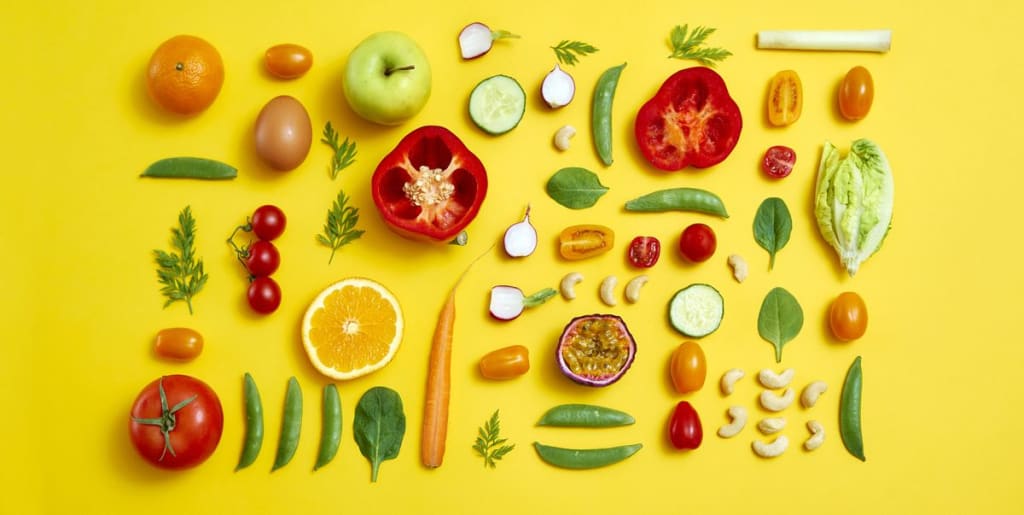
Making decisions about what to eat can sometimes be challenging, especially when faced with conflicting information about different food products. However, certain food facts can help you make informed choices about whether to eat or toss certain items. In this article, we will explore a range of fascinating food facts that can influence your decision-making process. From understanding expiration dates to identifying signs of spoilage, we'll equip you with valuable knowledge to help you determine whether to consume or discard food.
The Truth About Expiration Dates
Expiration dates are often misunderstood and can lead to unnecessary food waste. It's crucial to differentiate between "sell by," "best by," and "use by" dates. "Sell by" dates indicate the last day a store should sell a product, but it can still be consumed safely after that date. "Best by" dates refer to the optimal quality of the item, while "use by" dates are intended for perishable goods and indicate the last day the food is at its peak freshness. By understanding these distinctions, you can make informed decisions based on food quality and safety rather than relying solely on expiration dates.
The Importance of Food Storage
Proper food storage plays a significant role in determining whether you should eat or toss certain items. Storing food at the appropriate temperature and in the correct conditions helps maintain freshness and prevents spoilage. For example, perishable items like meats and dairy products should be stored at temperatures below 40°F (4°C) to inhibit bacterial growth. Additionally, keeping foods in airtight containers can help prevent moisture and oxygen exposure, extending their shelf life. By practicing good food storage habits, you can minimize food waste and ensure the safety and quality of the food you consume.
Detecting Signs of Spoilage
Being able to identify signs of spoilage is essential in deciding whether to eat or discard food. For perishable items like meat, poultry, and seafood, pay attention to changes in color, texture, or smell. Any discoloration, sliminess, or foul odor indicates that the item has likely gone bad and should be discarded. Similarly, mold growth on bread, fruits, or vegetables is a clear sign of spoilage. Mold can produce harmful toxins and should never be consumed.
The Shelf Life of Common Pantry Items
Understanding the shelf life of pantry staples can help you make better decisions about consuming or discarding them. For example, canned goods can remain safe for consumption well beyond their "best by" dates, as long as the can remains intact and undamaged. Dry goods like rice, pasta, and flour can last for an extended period if stored properly in a cool, dry place. However, they may lose quality over time. It's essential to inspect these items for signs of pests or unusual odors before using them.
Leftovers and Food Safety
Leftovers are a common source of confusion when it comes to deciding whether to eat or toss them. As a general guideline, refrigerated leftovers should be consumed within three to four days. If you're unsure about the freshness or safety of a leftover item, it's better to err on the side of caution and discard it. Additionally, be cautious when reheating leftovers, ensuring they reach a safe internal temperature to kill any potential bacteria.
Conclusion
By understanding important food facts, such as expiration dates, proper storage, spoilage signs, pantry item shelf life, and leftover safety, you can make informed decisions about what to eat or toss. This knowledge empowers you to reduce food waste, prioritize food.
About the Creator
Keep reading
More stories from writers in Education and other communities.
How Poor Healthcare Program Planning Affects Revenue and ROI
Effective program planning is essential for financial stability and long-term success in healthcare organizations. When planning is comprehensive, data-driven, and aligned with organizational goals, it supports efficient service delivery, strong patient outcomes, and healthy financial performance. However, when planning is weak or fragmented, the consequences extend far beyond operational inefficiencies. Poor healthcare program planning directly affects revenue generation, resource utilization, and return on investment, ultimately weakening the organization’s ability to grow and compete. Understanding how these financial impacts occur is crucial for leaders seeking to build programs that deliver measurable value.
By Evyatar Nitzany2 days ago in Education
Canadian Work Permit 2026: Check If You Qualify to Work in Canada
Canada continues to be one of the top destinations for foreign workers, offering competitive salaries, a strong economy, and an excellent quality of life. With new immigration adjustments expected in 2026, understanding Canada’s work permit system has become more important than ever.
By Ayesha Lashari2 days ago in Education
A Letter to the Firestarter
Dear Firestarter, We can all see you, we've been watching you since you began. In case you didn't know we were here before you and we will be here after. We witnessed your rise, your setbacks, your guilt and your lies. We witnessed you start the fire.
By Donny Foley6 days ago in Poets




Comments
There are no comments for this story
Be the first to respond and start the conversation.