
Flying Smart: How Commercial Pilots Balance Business Costs and Aviation Rules
Understanding the Business of the Skies in a World of High Costs and Tight Compliance

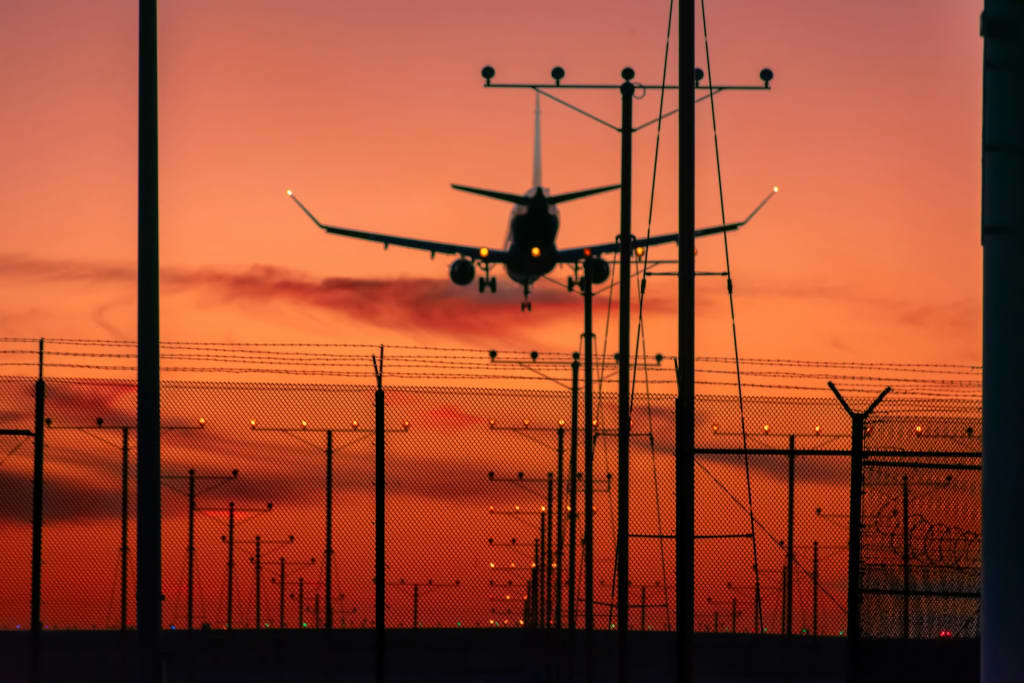
Flying an airplane might seem like all adventure and sky views, but for commercial pilots, it’s also a serious business. Each flight comes with a lengthy checklist—not just for takeoff but also for cost and compliance. Today’s pilots are not only masters of the controls but also key players in the success of their airline’s bottom line. From fuel management to safety standards, the business of the skies demands both precision and responsibility.
This article examines how commercial pilots navigate the challenges of managing costs while adhering to stringent aviation regulations. Understanding this balance is critical for anyone interested in the real world behind the cockpit doors.
The Cost-Conscious Pilot
One of the most significant roles pilots play is helping airlines manage flight costs. Fuel is one of the highest expenses in the aviation industry. To reduce it, pilots must make wise choices. They plan efficient routes, adjust speeds, and employ techniques that minimize fuel consumption without compromising safety. Modern planes facilitate this by providing real-time data on fuel usage and consumption.
Pilots also monitor engine performance. Any slight change in how a plane flies can mean higher fuel costs. By spotting these early, pilots can work with maintenance crews to fix problems before they grow expensive. This keeps flights on time and budgets in check.
Commercial pilots also help reduce wear and tear on aircraft. Smooth flying, intelligent braking, and proper taxiing minimize maintenance needs. Every small step matters because repairs and delays cost money.
Following the Rules, Every Time
Compliance is not optional in aviation. Commercial pilots must follow strict rules from the moment they step into the cockpit. These rules originate from national agencies, such as the FAA, and international organizations, like ICAO. They cover everything from flight plans to weather checks to crew work hours.
Pilots must stay up-to-date on all these rules. Airlines provide training, but the pilot must be responsible for knowing and applying the rules each day. For example, if a pilot flies too many hours without rest, that could be a violation. Even if the airline schedules it, the pilot can be held accountable.
Pilots also check if the plane is ready to fly. Before each flight, they review documents that confirm the aircraft is airworthy. If something isn’t right, they must delay the flight. Safety always comes first, even if it means incurring additional costs for that day.
Technology in the Cockpit
Modern aviation relies heavily on technology. Pilots use it not only to fly but to manage both cost and compliance. Flight management systems help pilots select the optimal routes, speeds, and altitudes. These tools make flying more efficient and keep fuel costs lower.
New tools also help with compliance. Electronic flight bags replace paper charts and manuals. These digital systems give pilots quick access to rules, checklists, and updates. With everything in one place, pilots make fewer errors and respond faster to changes.
Some airlines now use real-time performance tracking. These systems monitor a pilot's flight and indicate areas for improvement. Pilots can use this feedback to refine their skills and fly more efficiently, ultimately saving the company money.
Working with Ground Teams
Commercial pilots don’t handle cost and compliance alone. They work closely with dispatchers, maintenance crews, and operations teams. Before each flight, the pilot reviews a plan created with the help of these teams. This plan includes the optimal route, the correct amount of fuel, and any necessary safety alerts.
If a problem occurs in the air, pilots communicate with ground crews for prompt assistance. For example, if the weather changes mid-flight, the operations team can find a new safe path that keeps costs low. This teamwork enables pilots to meet both business and safety objectives.
Pilots also give feedback after flights. If they notice that a particular route wastes fuel or that a system isn’t working well, they report it. These reports help improve future flights and keep airline costs under control.
Managing Unexpected Costs
Even the best plans can run into problems. Bad weather, mechanical issues, or delays can quickly add costs. Commercial pilots are trained to respond swiftly and wisely in these situations. Their choices can affect not only safety but also the amount of money the airline spends.
If a flight must divert to a new airport, pilots seek the best and safest option that minimizes costs and ensures the safety of passengers and crew. They consider fuel left, landing fees, and how soon passengers can continue their trip. A wise decision can prevent a minor issue from becoming a significant expense.
Pilots are also key when a delay might cause legal or customer issues. For example, rules regarding passenger rights mean that a long delay on the runway can result in fines. Pilots must keep track of time and ensure they adhere closely to these laws.
Training for Business and Safety
Training for commercial pilots goes beyond just learning how to fly. Airlines now teach pilots how to understand the business side of aviation. They know how their decisions affect profit, fuel, and maintenance. They also receive in-depth training on compliance to minimize mistakes.
This kind of training creates more competent pilots. They can balance cost-saving steps with strict safety needs. A pilot who knows how to fly well and think like a business partner is a valuable asset to any airline.
Refresher courses, simulator sessions, and updates on new laws help pilots stay current with their knowledge. These sessions develop both flying skills and business acumen, enabling pilots to make informed decisions in a variety of situations.
The business of the skies is more than just flying from point A to point B. It’s a high-stakes world where every decision matters. Commercial pilots are not only experts in the air but also skilled in managing costs and adhering to strict aviation regulations. With modern tools, teamwork, and intense training, they help keep flights safe, legal, and on budget.
In a changing world where fuel prices rise and regulations become increasingly stringent, pilots will continue to be a vital part of an airline’s success. They must always be alert, informed, and ready to balance the complex demands of the cockpit. That’s what makes them more than pilots—they are business leaders at 35,000 feet.
About the Creator
Duke Valentour
Duke Valentour works as an Industrial Engineer and Systems Engineer at Ball Aerospace, a part of BAE Systems, and now operates under Space & Mission Systems in Boulder, Colorado.
Keep reading
More stories from Duke Valentour and writers in Education and other communities.
The Path to Becoming a Certified Flight Instructor
For many pilots, becoming a flight instructor is the ultimate goal—a career that combines a passion for aviation with the opportunity to teach and inspire others. The journey from an aspiring pilot to a certified flight instructor (CFI) is filled with challenges, education, and growth. This process is not only about mastering flight skills but also learning how to pass on that knowledge effectively. This article examines the step-by-step process of becoming a certified flight instructor and the essential skills required to succeed in this dynamic and rewarding field.
By Duke Valentour7 months ago in Education
The Comfort of Arrival: Why Certain Destinations Instantly Feel Familiar
There are moments in travel that defy logic. You arrive in a place you have never visited before, step onto its streets, breathe in its air, and suddenly feel at ease. There is no adjustment period, no sense of being out of place. Instead, there is a quiet recognition, as if the destination has been waiting for you. This feeling of instant belonging is not accidental, nor is it purely romantic imagination. It is the result of emotional, cultural, psychological, and environmental factors working together to create a sense of home far from home.
By Producer James Simon6 days ago in Education
The Proven Natural Skincare Secret with Healthy Skin
Healthy skin does not come from harsh products or complicated routines. It comes from working with nature, not against it. The natural skincare secret that many people overlook is the power of raw honey as a daily skin ally. This simple ingredient has been used for generations, yet many still do not understand its effectiveness. When used correctly, raw honey can change how your skin looks and feels.
By Kelln Small6 days ago in Education
Wild Card Weekend Recap: What Happens Now?
I think I figured out why I love Wild Card Weekend so much. It's because it's the first playoff anything of the calendar year. The NFL season starts in the fall, and once upon a time, the champion was crowned either on or slightly before New Year's. The evolution of the NFL schedule has resulted in the playoffs starting just into the New Year, and currently, the final week of the season falls on the first weekend of the New Year, with Wild Card Weekend coming a week after that. So yes, chronologically, the NFL's Wild Card Weekend serves as the first playoff anything of the calendar year.
By Clyde E. Dawkins6 days ago in Unbalanced



Comments