
"Finding Peace: Simple Ways to Reduce Stress"
"Practical tips and mindful habits to help you feel more balanced every day."

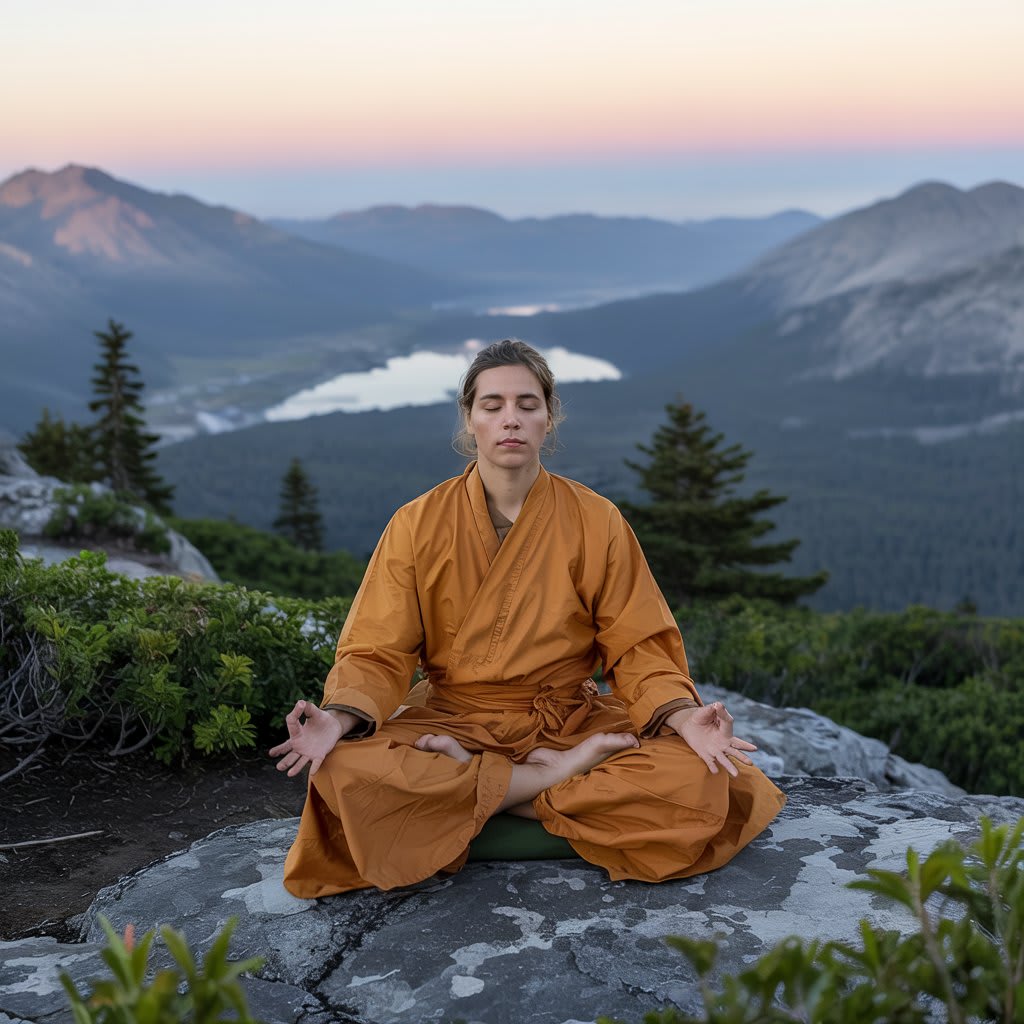
In our fast-paced, constantly connected world, stress has become more than just an occasional inconvenience—it’s often a regular part of daily life. From deadlines and financial pressure to social expectations and personal challenges, it’s easy to feel overwhelmed. While we can't always control the sources of stress, we can control how we respond to them. Learning how to manage stress effectively is key to maintaining both mental and physical well-being.
Let’s explore simple yet powerful strategies to shift from chaos to calm—starting right where you are.
1. Understand Your Stress Triggers
Before you can manage stress, you need to identify what's causing it. Is it work-related pressure? Relationship issues? Financial worries? Or is it simply a packed schedule that leaves little room to breathe?
Try keeping a stress journal for a week. Write down what triggered your stress, how you felt, and how you responded. Over time, patterns will emerge. Once you're aware of the triggers, you’ll be better equipped to address or minimize them.
2. Practice Deep Breathing and Mindfulness
When stress hits, your body often responds with shallow breathing, muscle tension, and racing thoughts. Deep breathing is one of the fastest ways to interrupt that response and calm your nervous system.
Try this simple exercise:
Breathe in deeply through your nose for 4 seconds
Hold for 4 seconds
Exhale slowly through your mouth for 6 seconds
Repeat for a few minutes
Combine this with mindfulness—focusing on the present moment without judgment. Even a short 5-minute mindfulness practice can reduce anxiety and increase mental clarity.
3. Move Your Body Daily
Exercise is one of the most effective natural stress relievers. It releases endorphins (your brain’s feel-good chemicals), reduces cortisol (the stress hormone), and improves sleep.
You don’t have to hit the gym for hours. Here are a few stress-busting movement ideas:
A brisk 20-minute walk in nature
Gentle yoga or stretching
Dancing to your favorite song
Bike riding, swimming, or even gardening
Movement doesn’t just help your body—it resets your mind.
4. Create a Calm Environment
Your surroundings can either increase your stress or help reduce it. If your space is cluttered, noisy, or overstimulating, it might be time to make a change.
Here’s how to create a calming atmosphere:
Declutter your room or workspace
Use calming colors (soft blues, greens, and neutrals)
Add elements of nature: a plant, a water feature, or natural light
Use soothing scents like lavender or eucalyptus
Your environment has a powerful effect on your mood—make it work in your favor.
5. Set Boundaries and Learn to Say No
One major cause of stress is overcommitment. Many of us struggle to say “no” because we fear disappointing others. But saying yes to everything often leads to burnout.
Setting boundaries is essential for your mental health:
Politely decline tasks that overwhelm your schedule
Set limits on work emails or calls outside of business hours
Schedule breaks and protect them
Communicate your needs clearly and confidently
Remember, saying "no" to others often means saying "yes" to yourself.
6. Unplug and Disconnect
Technology keeps us connected 24/7—but that constant connection can be a huge source of stress. Try building in regular “digital detox” time where you step away from screens and notifications.
Ideas to unplug:
No phones during meals
Screen-free mornings or evenings
A weekend day dedicated to offline activities
Replace scrolling with reading, drawing, or journaling
Being constantly available isn’t healthy. Reclaim your mental space by disconnecting more often.
7. Prioritize Restful Sleep
Poor sleep and high stress go hand-in-hand. When you're tired, even small stressors can feel overwhelming. Focus on creating a healthy nighttime routine to improve sleep quality.
Tips for better sleep:
Stick to a consistent bedtime
Avoid screens 1 hour before bed
Use a sleep-friendly environment: cool, dark, and quiet
Try a relaxing wind-down routine: reading, journaling, or a warm bath
Your body and mind heal during sleep—give them the time they need.
8. Practice Gratitude and Positivity
While stress often draws your attention to what’s wrong, gratitude shifts your focus to what’s right. Studies show that practicing gratitude regularly can lower stress levels, boost mood, and even improve relationships.
Try this daily:
Write down 3 things you're grateful for
Reflect on a moment that made you smile
Compliment someone else—it boosts your happiness too!
Positivity doesn’t mean ignoring problems. It means choosing to find light, even on the tough days.
Conclusion: Be Gentle With Yourself
Stress is a normal part of life—but it doesn’t have to control you. With a few mindful changes, you can create space for peace, clarity, and joy. Remember, you don’t need to do everything at once. Start with one small shift, and build from there.
Your journey from chaos to calm doesn’t require perfection—it just requires intention. You deserve to feel grounded, supported, and at ease.
Take a deep breath. You're already on your way.
About the Creator
Keep reading
More stories from Muhammad Saeed and writers in Education and other communities.
The Last Ember of Arkon
The forge had been cold for years. In the village of Greyholt, nestled in the shadows of the Ironspine Mountains, fires rarely burned brighter than the fading sun. It was a place forgotten by kings, untouched by war, and cursed with silence. Yet beneath its soot-blackened stones, something ancient stirred.
By Muhammad Saeed10 months ago in Education
Why Mobile Payments Are Transforming Financial Transactions Across Latin America?
Financial systems across Latin America are undergoing a significant transformation as digital technologies reshape how people conduct transactions. Among the most influential developments is the rise of mobile payments. From peer-to-peer transfers to retail purchases and bill payments, smartphones are increasingly becoming central financial tools.
By deepanshu Thakur4 days ago in Education




Comments
There are no comments for this story
Be the first to respond and start the conversation.