
Finance Books: The Superpower Behind Every Magnate
How Timeless Financial Wisdom Turns Ordinary Readers into Industry Titans

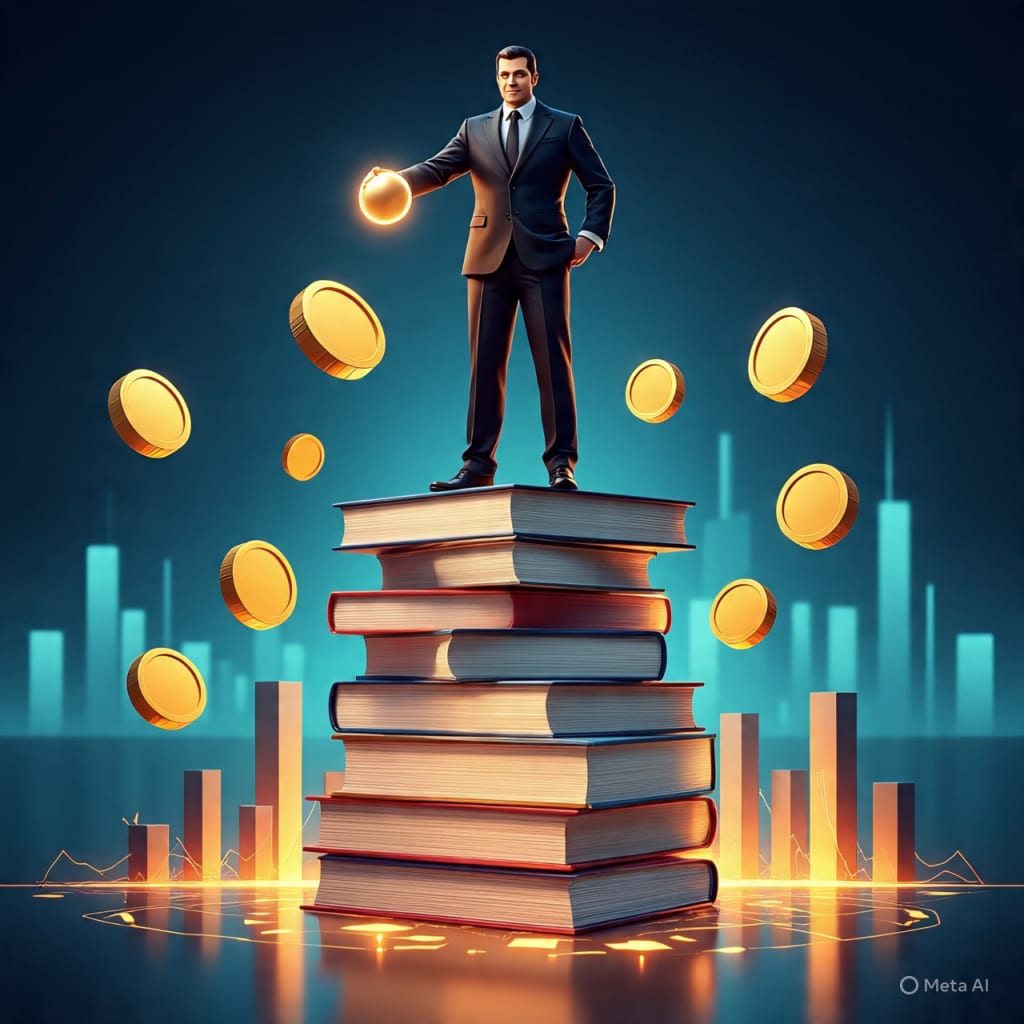
Finance Books: The Superpower of Magnates
In a world where money shapes influence and opportunity, financial literacy is not just an advantage—it’s a superpower. The most successful magnates of our time—Warren Buffett, Elon Musk, Ray Dalio, and Oprah Winfrey, among others—often attribute a major part of their success to one consistent habit: reading. And not just reading anything, but reading finance books—manuals of wealth creation, economic understanding, and intelligent investing.
Finance books are not just pages filled with graphs and jargon; they are tools of transformation. They provide insights into how money flows, how markets behave, how people think under risk, and how businesses grow. These books unlock perspectives that the average person may never gain from daily life or formal education. For magnates, they’re not bedtime stories—they’re battle strategies.
Warren Buffett: The Billionaire Bookworm
Warren Buffett, widely regarded as the greatest investor of all time, reportedly spends 80% of his day reading. His early obsession with finance books, such as The Intelligent Investor by Benjamin Graham, laid the foundation of his value investing philosophy. Buffett has often said that reading 500 pages a day was how knowledge builds up, “like compound interest.”
The Intelligent Investor remains a classic for anyone wanting to build wealth with discipline and patience. Buffett calls it “the best book on investing ever written,” and many successful entrepreneurs use it as their guiding compass. This is a testament to how one book can rewire a mindset—and create a magnate.
Ray Dalio: Principles from the Page
Ray Dalio, founder of Bridgewater Associates, the world’s largest hedge fund, is another finance titan shaped by books. His own best-selling book, Principles: Life and Work, blends finance with philosophy, offering a roadmap to decision-making, leadership, and investing.
Dalio himself was influenced by books such as Reminiscences of a Stock Operator, The Great Crash 1929, and economic classics that allowed him to understand macroeconomic cycles and risk management. He often emphasizes the importance of radical transparency, a principle born from both experience and deep intellectual study—again, much of which came from books.
Elon Musk: The Unconventional Learner
Although not a traditional finance mogul, Elon Musk built companies worth billions—Tesla, SpaceX, and more. His approach to finance is not rooted in Wall Street but in first-principles thinking, something he credits to a vast and varied reading habit. Among his favorites are biographies of innovators and books on economics and physics. Musk reportedly read two books a day in his youth and credits much of his business intuition to learning from the success and failure of others through literature.
This highlights a key idea: finance books don't just teach numbers—they teach psychology, systems thinking, and innovation. For Musk, who had to fundraise, build business models, and disrupt multiple industries, financial knowledge—gained through constant reading—became a secret weapon.
Finance Books as Mental Models
Books such as Rich Dad Poor Dad by Robert Kiyosaki, Thinking, Fast and Slow by Daniel Kahneman, and Common Stocks and Uncommon Profits by Philip Fisher provide more than information—they create mental models. These models help magnates predict market behavior, avoid emotional investing, build businesses from scratch, and make high-stakes decisions.
Reading finance books is like upgrading your mental software. You begin to see patterns where others see chaos. You understand that wealth isn’t just about luck or hard work—it’s about strategy, timing, and leverage. The right finance book can help someone think like a CFO, invest like a hedge fund manager, and lead like a CEO.
From Reader to Ruler
What separates financial magnates from the average person isn’t just access to capital—it’s access to insight. And books are the cheapest, most powerful form of that insight. For under $20, you can gain access to the life’s work of billionaires, Nobel Prize winners, and economic historians. The ROI on that kind of knowledge is incalculable.
As Naval Ravikant, angel investor and philosopher, puts it: “Read what you love until you love to read. Then read the classics. Then re-read them.” In finance, those classics become weapons—giving you clarity, vision, and ultimately, power.
Conclusion
Finance books are more than educational—they are transformational. For magnates, they’re not optional; they are essential. If you want to build wealth, lead enterprises, or simply understand the financial engine that drives the world, start with a book. It might be your first step toward your own superpower.
About the Creator
Keep reading
More stories from MoneyOrbit and writers in Education and other communities.
Smart Ways to Earn Money Through Finance"
How to Earn Money Through Finance: A Guide to Building Wealth In today’s economy, understanding finance is not just helpful — it’s essential. Whether you’re looking to make extra income, grow your wealth, or achieve financial freedom, the finance world offers many opportunities to earn money. From investing in stocks to starting a side hustle, smart financial decisions can lead to real income and long-term security.
By MoneyOrbit6 months ago in Education
Creating Stability With Property During Uncertain Economic Cycles
Periods of market uncertainty can challenge even the most careful financial plans. Stock prices may swing sharply. Savings can lose value due to inflation. News headlines often create fear and hesitation. In these moments, many investors look for dependable ways to protect their wealth. Protecting investments during market uncertainty through property ownership remains a practical and proven option because property is based on real use, steady demand, and long term value.
By Accrue Real Estate7 days ago in Education
Top 7 Life Changing Books to Read in 2026
In 2026, readers are not just looking for entertainment—they want books that change the way they think, feel, and see the world. With endless content available online, only a few books continue to stand out, remain widely read, and influence conversations across generations. These are the books people keep recommending, searching for, and returning to year after year.
By Waqar Khana day ago in Education



Comments
There are no comments for this story
Be the first to respond and start the conversation.