
Feasting Like Pharaohs
A Taste of Ancient Egyptian Cuisine
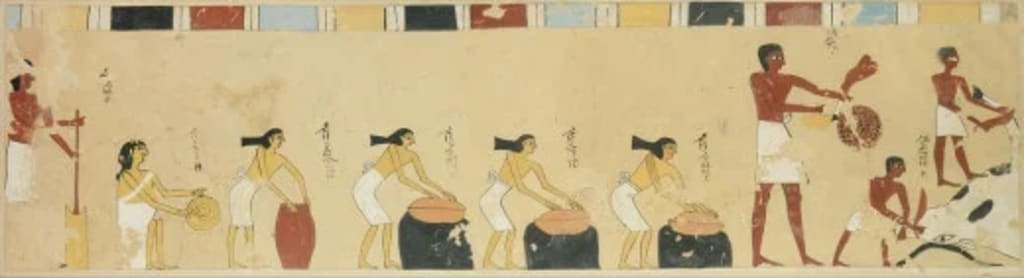
From the predynastic period through the end of the pharaonic era, the ancient Egyptian civilization was one of the world's oldest and most significant societies, spanning over three thousand years.
Ancient Egypt was a place of enormous riches and success, owing to its lush soil and plenty of natural resources, located along the banks of the Nile River in the northeastern area of Africa.
The ancient Egyptians have accomplished farmers, engineers, and craftspeople, and their architectural, mathematical, and scientific breakthroughs are still studied and respected today.
Ancient Egyptian culture was also intensely spiritual, with a sophisticated and complex system of beliefs and rituals focused on the worship of a pantheon of gods and goddesses.
The ancient Egyptians left a rich and enduring legacy that has fascinated the minds of people all around the world for millennia, from the towering pyramids and magnificent tombs of the pharaohs to the intricate hieroglyphics written on temple walls.
Feasting and Worship: The Vital Role of Food in Ancient Egyptian Society
Food was an important part of ancient Egyptian civilization, serving as both a source of nutrition and a form of social interaction and artistic expression.
The ancient Egyptians relied greatly on the rich terrain surrounding the Nile for food, and the availability of crops like wheat, barley, onions, and beans allowed them to maintain a broad and healthy diet.
Food was also a major component of social and economic interaction, with feasts and banquets used to commemorate special anniversaries and establish interpersonal relationships.
Furthermore, food had an important part in ancient Egyptian religion, with offerings and sacrifices performed to the gods and goddesses to respect and please them.
The ancient Egyptians greatly valued food preparation and presentation, employing a wide range of culinary techniques and ingredients to produce savory and delectable dishes that are still appreciated today.
Overall, the significance of food in ancient Egyptian society cannot be emphasized, since it shaped the culture and daily lives of this unique civilization.

The Life-Giving Nile: The Role of the River in Ancient Egyptian Agriculture and Civilization
The Nile River was an important resource for the ancient Egyptians, supplying life-giving water and lush land that allowed their agriculture and civilization to flourish.
The Nile, which spanned over 4,000 miles from Ethiopia's highlands to the Mediterranean Sea, was the world's longest river and ancient Egypt's lifeline.
The Nile's yearly flood cycle was relied on by the ancient Egyptians to irrigate their crops and restore the soil, and the river's rich delta region was home to some of the world's most productive agricultural land.
Wheat, barley, onions, beans, and a variety of fruits and vegetables were among the crops grown by the ancient Egyptians along the Nile.
These crops were vital to the ancient Egyptian diet and the foundation of their economy.
The Nile was important for transportation as well as agriculture, allowing the ancient Egyptians to trade with other civilizations and carry products and people along its banks.
Nourishing the Nation: The Crops of Ancient Egypt
The ancient Egyptians were expert farmers who cultivated a wide range of crops along the lush Nile River banks.
Wheat and barley were the most significant grains in ancient Egyptian agriculture and formed the foundation of the Egyptian diet.
Wheat was crushed into flour and used to produce bread, a staple diet of the ancient Egyptians, while barley was used to make beer, a favorite drink.
The ancient Egyptians also cultivated a wide range of vegetables, including onions, beans, and other legumes.
These crops supplied protein and nutrition and were frequently used in stews and other cuisines.
Aside from these basics, the ancient Egyptians also cultivated a variety of fruit, including grapes, figs, dates, and pomegranates.
These delicious fruits were frequently used in desserts and as a topping for bread and other meals.
Ancient Egypt's Irrigation Systems and Farming Techniques: The Key to a Thriving Civilization
Irrigation was essential in ancient Egypt since the Nile River was the primary supply of water for crops.
The Nile flooded every year, depositing good soil along its banks, while the remainder of the region was dry and desert.
The ancient Egyptians created a system of irrigation canals to move water from the Nile to their farms to make the most of this fertile land.
The shaduf, a simple mechanism used to raise water from the Nile and channel it into irrigation canals, was one of the most important techniques employed in ancient Egyptian agriculture.
The shaduf was essentially a bucket attached to a lever that a person standing on the riverbank operated.
The bucket was filled with water and then raised using the lever, and the water was emptied into the canal.
The ancient Egyptians also used a system of water wheels, known as norias, to lift water from the Nile.
These wheels were powered by the flow of the river and could lift water to a higher elevation, making it easier to transport to fields that were further away from the river.
Aside from irrigation systems, the ancient Egyptians used a variety of farming practices to enhance crop yield. They turned the dirt using ox-drawn plows and cultivated their crops with man-powered hoes and other hand equipment.
They also devised a crop rotation method, which involves growing different crops in the same field each year to help preserve soil fertility.
As a result of their complex irrigation systems and successful farming practices, the ancient Egyptians were able to build a highly productive agricultural system.
This enabled them to sustain a big and sophisticated society by growing various crops such as wheat, barley, beans, lentils, flax, and many more.
Ancient Egyptian Cuisine: A Delicious Mix of Grains, Vegetables, and Fruit
Bread, beer, vegetables, and fruit were among the things consumed by the ancient Egyptians.
The bread was a staple diet in ancient Egypt, prepared from a range of grains such as wheat, barley, and emmer. The bread was traditionally baked in flat loaves on a griddle.
Beer, which was brewed from barley or other grains, was also an essential element of the ancient Egyptian diet.
Beer was frequently flavored with herbs and spices and was enjoyed by people of all ages.
Vegetables, which included crops such as onions, garlic, leeks, peas, beans, and lentils, were an essential source of sustenance in ancient Egypt.
These veggies were frequently cultivated in gardens and consumed fresh or stored for later use.
Fruit, which included dates, figs, grapes, pomegranates, and melons, was also an important element of the ancient Egyptian diet. These fruits were frequently produced in orchards or along the Nile River's banks.
The ancient Egyptians ate a varied and nutritious diet comprising various kinds of cereal, vegetables, and fruits.
This cuisine aided in the birth and development of a complex and flourishing civilization.
The Role of Cows, Goats, and Pigs in Ancient Egyptian Diet and Economy
Livestock was very essential in the ancient Egyptian diet, and many different animals were raised for their meat, milk, and other products.
Cows were an essential source of meat in ancient Egypt, and their milk was also utilized to manufacture a range of dairy items.
Cows were also utilized for plows and transportation.
Goats were very common in ancient Egypt, and they produced milk, meat, and wool.
Goats were also employed for their dung, which was used to fertilize fields naturally.
Pigs were also raised in ancient Egypt as a source of meat. Pigs were also exploited for their fat, which was used in the production of soap and other items.
A Flavorful History: The Use of Spices and Herbs in Ancient Egyptian Cooking
The ancient Egyptians cooked using a broad variety of spices and herbs, which added taste and diversity to their meals.
The following spices and herbs were extensively employed in ancient Egyptian cooking:
- Cumin was a popular spice in ancient Egypt, and it was frequently used to flavor bread, sauces, and other meals.
- Coriander was utilized in several meals such as stews, soups, and bread.
- Fennel: This herb was used to season a wide range of foods, including meat, fish, and vegetables.
- Garlic was commonly utilized in ancient Egyptian recipes and was thought to have therapeutic benefits as well.
- Mint was used to flavor a range of meals, including beverages, sauces, and salads.
- Mustard: This peppery herb was used to season meats and vegetables.
Overall, the ancient Egyptians used spices and herbs extensively in their cooking, giving flavor and diversity to their meals and making the most of the materials at their disposal.
Clay Pots and Ovens: Ancient Egyptian Cooking Tools
In ancient Egypt, clay pots and furnaces were extensively employed for cooking.
Clay pots, also known as terra cotta pots, were created by molding clay into the appropriate shape and then hardening it in a kiln.
These pots were used for many different types of cookery, including boiling, stewing, and baking. They were also utilized for food storage.
In ancient Egypt, ovens were also utilized for cooking. These were generally composed of clay and heated internally by burning wood or other fuel.
The bread was a major cuisine in ancient Egypt, and it was baked in ovens. Roasting meats and vegetables was also done in ovens.
Aside from clay pots and ovens, ancient Egyptians employed additional cooking tools such as griddles, frying pans, and spits for roasting meat. Although some were constructed of clay, most were made of bronze or iron.
Grinding Stones and Mortars: Ancient Egyptian Tools for Preparing Grains and Making Bread
In ancient Egypt, grinding stones and mortars were extensively employed to prepare grains.
Grinding stones, which were composed of hard, durable stones like granite or basalt, were used to crush grains into flour.
Mortars had a similar function, but they were composed of softer stone, such as limestone or sandstone, and were used to smash grains into smaller bits or to form a fine powder.
Grains were a significant element of the ancient Egyptian diet, and they were used to create bread, beer, and porridge, among other things.
Grinding stones and mortars were used to ground these grains into fine flour or meal.
The bread was a staple food in ancient Egypt, and it was manufactured by combining wheat and water to make a dough that was then formed into loaves and cooked in an oven.
Grinding stones and mortars were used to prepare the flour required to bake bread.

Fermented Foods in Ancient Egyptian Cuisine: The Role of Beer and Bread
Beer and bread, for example, were key fermented foods in the ancient Egyptian diet.
Beer, a popular beverage in ancient Egypt, was produced from fermented grains like barley or wheat.
It was mostly drunk by the working people, but it was also utilized in rites and festivities.
The bread was another fermented dish that was popular in ancient Egypt.
It was created by combining flour and water to make a dough, which was then cooked in an oven. The bread was a basic item enjoyed by individuals of all socioeconomic classes in ancient Egypt.
Fermentation was an essential procedure in ancient Egyptian cuisine since it enhanced the taste and flavor of foods while also increasing their shelf life and making them more digestible.
Fermented foods were a significant source of nutrients in the ancient Egyptian diet and were an important element of the Egyptians' daily meals.
Feasting and Banquets in Ancient Egyptian Society: The Importance of Hospitality and Celebration
Banquets and feasts were an essential aspect of ancient Egyptian culture.
They were frequently staged to commemorate important events like marriages, festivals, and the crowning of a new Pharaoh.
Feasts and banquets were usually extravagant occasions conducted in great rooms or gardens.
People from various socioeconomic groups participated, and the cuisine offered was frequently extravagant and diverse.
The ancient Egyptians valued hospitality, and holding feasts and banquets were regarded as a symbol of social standing and riches.
These gatherings also provided a chance for individuals to mingle and bond with one another.
Feasts and banquets frequently included entertainment such as music, dance, and storytelling in addition to food. They were a major component of ancient Egyptian culture and played a vital role in the ancient Egyptians' social and cultural lives.
Food and Faith: The Role of Food in Ancient Egyptian Religious Ceremonies and Rituals
In ancient Egypt, food played an essential role in religious events and rituals.
Many gods and goddesses in ancient Egyptian religion were identified with certain meals, and food sacrifices were presented to them to gain their favor or protection.
Bread and beer, for example, were frequently delivered to the gods and goddesses as a sign of nutrition and sustenance.
Fruits, vegetables, and meats were also presented to the gods as a method of honoring them.
Food played an important role in many religious events and rituals in ancient Egypt, in addition to providing food to the gods.
Feasts and feasts in honor of the gods and goddesses were common, and these gatherings were an essential component of the liturgical calendar.
Food was also employed in numerous ancient Egyptian rites and festivities.
Bread and beer, for example, were frequently consumed during religious rites as a means of communing with the gods.
Offerings and Sacrifices in Ancient Egyptian Religion: The Role of Food in Worship
Offerings and sacrifices were an essential part of ancient Egyptian religion for gaining the favor or protection of the gods and goddesses.
These gifts and sacrifices were typically made to the gods in the shape of food and other tangible commodities, and they were made to honor and revere them.
Food was a popular offering in ancient Egypt, and many gods and goddesses were linked with specific foods.
Bread and beer, for example, were frequently delivered to the gods as a sign of nutrition and sustenance.
Fruits, vegetables, and meats were also presented to the gods as a method of honoring them.
In addition to food offerings, sacrifices of animals and other material commodities were made to the gods to gain their favor.
These sacrifices were frequently accompanied by rites and ceremonies, and they played a significant role in the ancient Egyptians' relationship with their gods and goddesses.
From Pharaohs to Modern Day: The Lasting Impact of Ancient Egyptian Food and Cuisine
The influence of ancient Egyptian food and cuisine on modern culture may be seen in several ways.
The following are some of the most noteworthy ways that ancient Egyptian food and cuisine have affected modern culture:
- Agricultural practices: The ancient Egyptians were expert farmers, and their understanding of irrigation and other agricultural techniques influenced contemporary agriculture for centuries.
- Food preservation: The ancient Egyptians created various food preservation techniques that are still used today, such as pickling, salting, and drying.
- Bread: Bread was a staple diet in ancient Egypt and is so in many parts of the world today.
- Fermentation: The ancient Egyptians were proficient at fermenting grains to create beer, and this method left an indelible mark on current brewing procedures.
- Culinary procedures: Ancient Egyptian cuisine featured several culinary techniques that are still used today, such as roasting, boiling, and baking.
Overall, the ancient Egyptians made enormous contributions to food and cuisine, and their influence can still be found in many facets of modern civilization.
About the Creator
The Comfort of the New: Why Some Places Instantly Feel Like Home
Travelers often experience a strange phenomenon: arriving in a place for the first time and feeling as though they have always belonged. Whether it is a bustling city street, a quiet mountain town, or a sun-drenched coastal village, some locations evoke an immediate sense of familiarity and comfort. This feeling goes beyond aesthetic appeal or convenience; it touches deeper psychological, emotional, and even social aspects of human experience. Understanding why certain places feel like home can enrich travel, relocation, or even brief visits, creating connections that feel effortless and profound.
By Producer James Simon3 days ago in Education
How to Transform Hospitality with Digital Signage Software
I'll never forget walking into a boutique hotel in Austin last year and being greeted by a stunning digital display that not only showed my reservation details but also recommended local restaurants based on the time of day. That moment made me realize: we're past the era of static lobby posters and outdated event boards. Digital signage has become the silent ambassador of hospitality, and after testing numerous solutions across different venues, I've learned what actually works.
By Jerry Kane 2 days ago in Education
How to Succeed at the Benson Directory®
Congratulations and welcome to the Benson Directory® employee #22391! As our newest call handler, you will have the privilege of speaking with dozens of unique and interesting people on a daily basis as well as the opportunity to earn bonuses for high performance. Contained within this handbook you will find a set of ease to follow instructions designed to help you settle in to your new role and begin paving the way to success.
By S. A. Crawford6 days ago in Fiction



Comments
There are no comments for this story
Be the first to respond and start the conversation.