
Fall Of a Tyrant
How The People Of Bangladesh Toppled Hasina's Fascist Regime
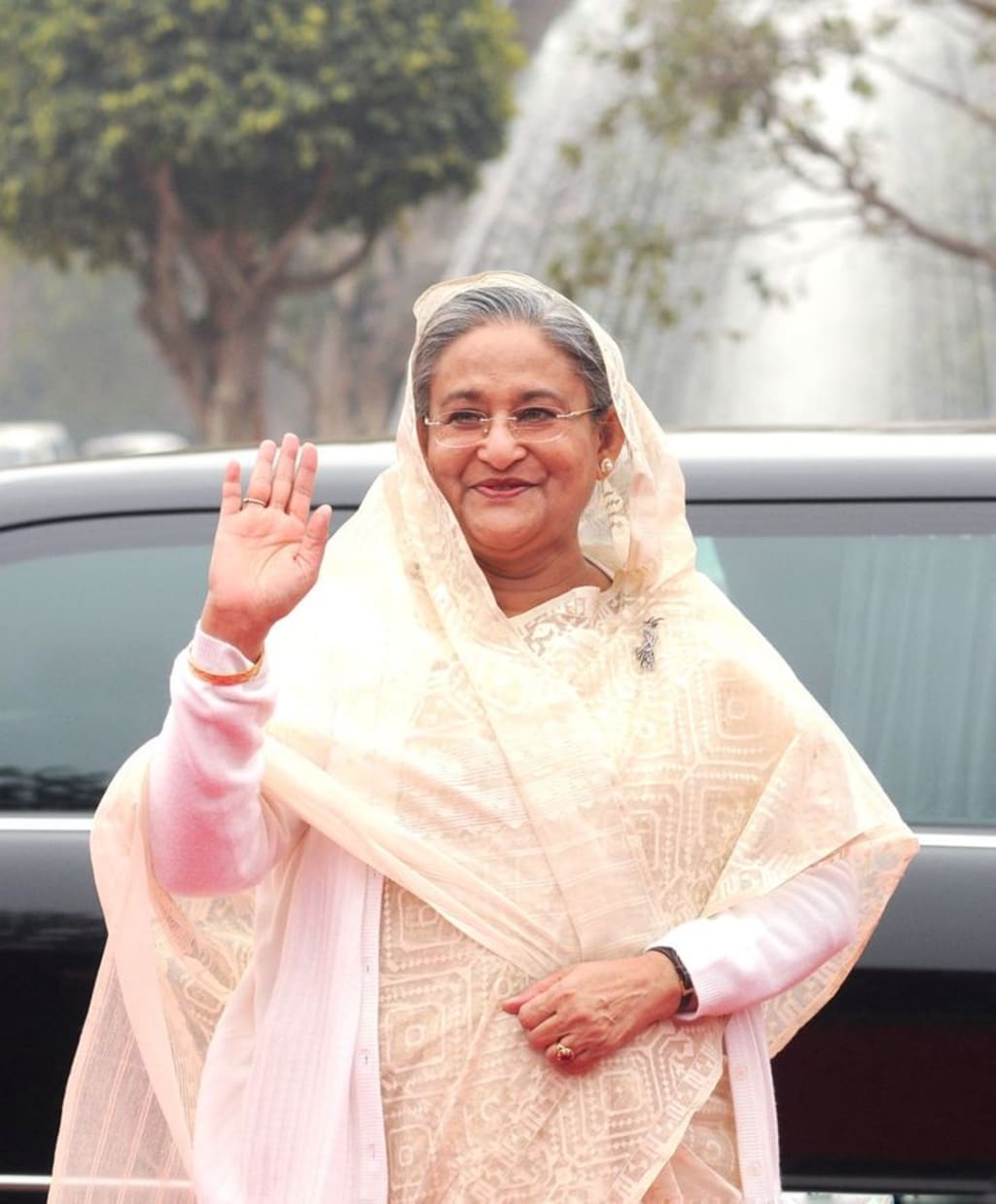
Dhaka, Bangladesh — On July 26, 2025, a defining chapter in Bangladesh’s history came to a close. Prime Minister Sheikh Hasina, who ruled the country with an iron grip for over 16 years, finally resigned following three explosive weeks of mass protest, civil unrest, and nationwide resistance now known as the July Revolution.
This revolution was not a spontaneous outburst—it was the result of years of frustration, repression, and the systematic destruction of democracy.
A Legacy of Repression
Since returning to power in January 2009, Sheikh Hasina led the Awami League into what critics have long described as a fascist transformation of the state. Under her leadership, elections were widely alleged to be rigged (most notably in January 2014 and again in December 2018), while opposition leaders were jailed, exiled, or disappeared.
The Digital Security Act of 2018 became a key weapon of Hasina’s regime. Journalists were routinely arrested for Facebook posts. Bloggers were detained. Peaceful protests were criminalized.
Between 2015 and 2024, international human rights groups reported over 600 enforced disappearances, many believed to be carried out by the notorious Rapid Action Battalion (RAB). Torture in custody became rampant, with chilling accounts of electric shocks, beatings, and psychological abuse in secret detention sites like the alleged “black sites” outside Dhaka.
The Rise of a Fascist State
What began as a promise of progress under Sheikh Hasina slowly morphed into a nightmare of unchecked power, propaganda, and persecution. Disguised under the banner of "development and stability," her regime systematically dismantled democratic institutions, rigged elections, silenced dissent, and crushed political opposition.
Under her rule, journalists were harassed, abducted, or imprisoned for speaking truth to power. The Digital Security Act was weaponized to muzzle free speech. Independent voices were labeled enemies of the state. Mass surveillance, enforced disappearances, and custodial torture became tools of control, while pro-government thugs, under the guise of "law enforcement," unleashed terror on streets and campuses.
Torture, Fear, and a Nation Held Hostage
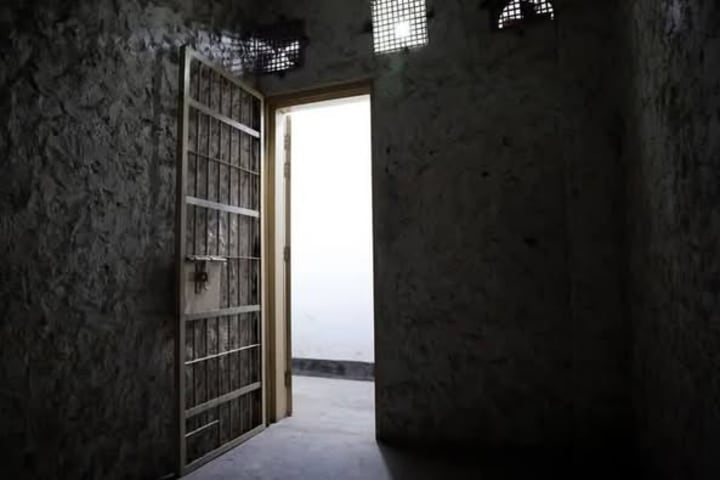
Countless activists and opposition supporters bear the scars of the Hasina regime—both physical and psychological. Reports from human rights groups detailed systematic torture inside secret detention centers. Families mourned the missing; some never got answers, only whispers of midnight arrests and mass graves.

The judiciary, once a beacon of hope, was reduced to a puppet show, and parliament became a rubber-stamp factory for laws crafted in the shadows. For the youth of Bangladesh, the future looked grim—unemployment rose, corruption festered, and voices were silenced before they could shout.
The Spark: July 5, 2025
On July 5, tensions reached a breaking point after the government abruptly announced fuel price hikes, triggering immediate protests in Dhaka. The student-led group Nagarik Shongram Parishad organized a mass rally at Shahbagh, which quickly drew tens of thousands.
When police attempted to disperse protesters on July 6 using tear gas and live rubber bullets, video footage of wounded students went viral. Public outrage ignited across the nation.
From Protest to Revolution
Between July 7 and July 15, daily demonstrations spread to Chittagong, Khulna, Barisal, and Sylhet. On July 10, garment workers joined in, followed by transport unions and teachers. The demand was unified and loud: "Hasina Must Resign!"
On July 13, government buildings were surrounded peacefully by thousands in Dhaka. In a desperate move, the government shut down mobile internet nationwide—but the message had already spread. International media began reporting the scale of the unrest, and key Awami League allies began to fall silent.
By July 20, segments of the police and even army personnel refused orders to fire on demonstrators. Some soldiers joined crowds in Jessore and Rangpur, holding placards reading “We Stand With the People.”
The Fall: July 26, 2025
At 8:00 PM on July 26, Sheikh Hasina appeared on national television. Her address was brief, somber, and widely criticized as lacking any real acknowledgment of wrongdoing.
“In the interest of peace, I have decided to step down. I hope Bangladesh continues on the path of prosperity,” she said.
No apology. No justice. But her grip on the nation was finally broken.
The Faces of Sacrifice
As protests spread from city to city, the regime responded with escalating violence. Live bullets were used in Chittagong, Khulna, and Rajshahi, but the people refused to back down. Here are just a few of the brave souls whose names have become etched in the heart of a grieving but determined nation:
Tasnim Ahmed (19, Dhaka) – Shot by police on July 5. Law student and organizer.
Rehana Akhter (28, Gazipur) – Garment worker, trampled during a crackdown on a labor rally on July 11.
Shahriar Hossain Noman (24, Sylhet) – Shot in the chest on July 13 while protecting fellow protesters.
Sabbir Rahman Liton (31, Rajshahi) – Teacher and activist, abducted on July 14; his body found in a canal two days later.
Farzana Nahar (22, Barisal) – Crushed under a police vehicle during a human chain on July 16.
Md. Jahangir Alam (44, Khulna) – Rickshaw-puller who died shielding students from baton charges on July 18.
Over 65 confirmed deaths were reported between July 5 and July 25, with many more injured, blinded, or left permanently disabled. Unofficial counts suggest the death toll could be much higher.
Mothers buried their children. Fathers stood silently at protests, holding photos instead of signs. The people mourned—but they did not retreat.The Turning Point: July 25
By July 25, the revolution reached critical mass. A nationwide strike brought the country to a standstill. Over one million people flooded into Dhaka’s National Parliament grounds, defying army barricades. The streets echoed with chants of:
“Shobujer chador diye dhaka, rakter moton lal – ei Bangla Hashinar na, manusher Bangladesh!”
("Covered in green like blood-soaked red – This is not Hasina’s Bangladesh, it belongs to the people!")
The July Revolution is not just a political event—it is a reminder that even in the darkest times, people will rise, resist, and reclaim their destiny.
To the fallen: Bangladesh will never forget you.
About the Creator
Keep reading
More stories from writers in Education and other communities.
The Power of Perspective: Rich Thinking vsTraditional Thinking
The Power of Perspective: Rich Thinking vs. Traditional Thinking Success in life is often less about external circumstances and more about the mindset we adopt. Two dominant approaches to thinking—rich thinking and traditional thinking—illustrate how perspective shapes opportunities, decisions, and ultimately, outcomes. While traditional thinking emphasizes stability, caution, and conformity, rich thinking thrives on vision, risk-taking, and innovation. Understanding the differences between these two mental frameworks provides valuable insight into why some individuals achieve extraordinary success while others remain confined to predictable paths.
By Alhouci boumizzi3 days ago in Education
The Clockmaker’s Apprentice
In a narrow street tucked between busy markets stood a small clock shop that most people passed without noticing. The wooden sign above the door read “Hassan & Son – Fine Timepieces,” though Hassan had no son, only an apprentice named Idris. At seventeen, Idris was restless, ambitious, and impatient. He had joined the shop hoping to learn a skill quickly and move on to something bigger. What he did not realize was that time itself would become his greatest teacher.
By Sudais Zakwan2 days ago in Education
The Pride Flag and the Diversion
For nearly a decade, the LGBTQIA Pride Flag rippled in the wind at Christopher Park, a kaleidoscope of color staked into the soil of America’s first national monument to LGBTQIA+ liberation. That flag came down this week. Federal officials, citing new guidance from the Trump Administration, silently lowered the rainbow flag from its pole across the street from the Stonewall Inn. The birthplace of the modern gay rights movement now flies only the United States flag.
By Tim Carmichael5 days ago in Pride


Comments
There are no comments for this story
Be the first to respond and start the conversation.