
Fake News and Misinformation: How to Spot and Combat False Facts
The Battle for Truth: Recognizing and Confronting Misinformation

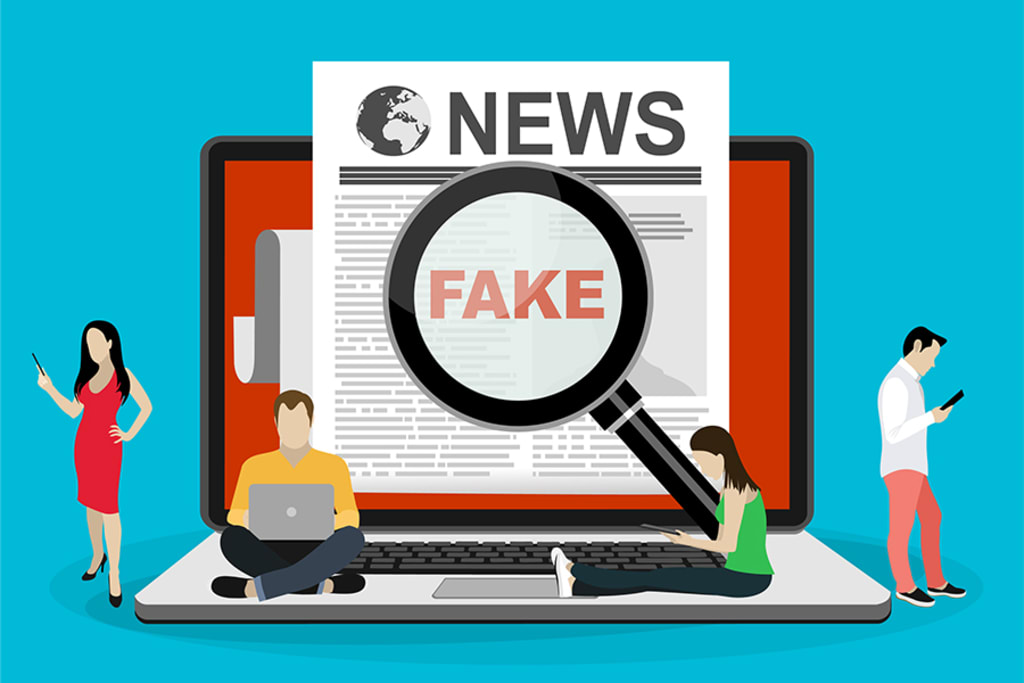
In the modern era of technology, obtaining information has become easier than ever. With just a few clicks, we can browse through news articles, social media posts, and online forums that are filled with a plethora of information. However, this convenience has resulted in the rise of fake news and misinformation. False information and deceptive facts can quickly spread, causing confusion and harm, and influencing public opinion. This article aims to delve into the subject of fake news and misinformation, educate readers on how to identify them, and present effective strategies to combat this widespread problem.
Understanding Fake News and Misinformation
Fake news and misinformation are not new phenomena. They have been around for as long as communication itself. However, the digital age has amplified their reach and impact. Let's start by defining these terms:
Fake News: Fake news refers to deliberately fabricated stories or reports presented as factual news. The intention behind creating fake news is often to deceive readers and manipulate public opinion. Fake news stories can take various forms, from satirical articles to outright hoaxes.
Misinformation: Misinformation, on the other hand, refers to the spread of inaccurate or false information, often unintentionally. It can result from errors, misunderstandings, or the unintentional sharing of misleading content.
Both fake news and misinformation can have serious consequences. They erode trust in credible sources of information, polarize communities, and even incite violence. To combat these issues, it is essential to learn how to identify them and take steps to address them.
Spotting Fake News and Misinformation
1. Check the Source: When assessing the reliability of information, the initial step is to verify its source. Trustworthy news outlets and established websites are more likely to present correct information. It's essential to be cautious of websites with dodgy domain names, spelling errors, or odd formatting.
2. Verify the Story: To ensure the accuracy of a news story, it's important to verify it with other trustworthy sources. If several reputable sources report the same information, it's more likely to be true. However, be cautious of stories that only appear on a single obscure website or social media account.
3. Look for Citations and Quotes: Legitimate news articles often include citations, quotes, and references to experts or primary sources. Check for these elements in the content. Lack of proper citations may indicate that the information is unreliable.
4. Examine the Tone and Language: Fake news articles often use sensational language, exaggerations, or emotional appeals to grab attention. If an article appears to be filled with inflammatory language or overly emotional, it may be a red flag.
5. Check the Date: Misinformation can spread when outdated news or events are presented as recent. Always check the publication date to ensure the information is current and relevant.
6. Fact-Checking Sites: Several fact-checking websites like Snopes, FactCheck.org, and PolitiFact specialize in verifying the accuracy of news stories. Use these resources to check the credibility of a story before sharing it.
7. Beware of Deepfakes: Deepfake technology can create realistic-looking videos or audio recordings that are entirely fabricated. Be cautious when encountering media content that seems too good to be true or out of character for the person depicted.
8. Question Your Own Biases: Our own biases can influence our perception of information. Be aware of your biases and try to approach information with an open mind. Ask yourself if you might be more inclined to believe a story because it aligns with your preconceived notions.
Combatting Fake News and Misinformation
1. Educate Yourself: Understanding the nature of fake news and misinformation is the first step in combatting them. Stay informed about common tactics used to spread false information.
2. Teach Critical Thinking: Schools, families, and communities can play a crucial role in teaching critical thinking skills. Encourage people to question the information they encounter and to seek out multiple perspectives.
3. Support Fact-Checking Organizations: Fact-checking organizations play a vital role in debunking false information. Support their efforts and share their findings to counteract the spread of fake news.
4. Report False Information: You can report false information and fake news on social media platforms and websites. Many platforms have mechanisms for reporting and removing misleading content.
5. Promote Media Literacy: Encourage media literacy programs in schools and communities. These programs can help individuals become more discerning consumers of information.
6. Engage in Civil Discourse: When you encounter false information in discussions or debates, engage in civil discourse rather than confrontational arguments. Provide evidence and credible sources to support your point of view.
7. Verify Before Sharing: Before sharing any news or information on social media, take a moment to verify its accuracy. Your actions can help prevent the further spread of false information.
8. Be Mindful of Echo Chambers: Try to expose yourself to diverse perspectives and avoid echo chambers where everyone agrees with you. This can help you develop a more balanced and nuanced understanding of issues.
In the world we live in, false news and misleading information pose a significant threat. They can have severe repercussions, affecting public opinion, politics, and even public health. However, we can combat these issues by being better informed, practicing critical thinking, and supporting fact-checking initiatives. As information consumers, it is our duty to fight against fake news and misinformation, and working together, we can create a more honest and dependable information environment.
About the Creator
Keep reading
More stories from Smita Bimbra and writers in Education and other communities.
The Importance of Teachers in Shaping Our Future
In the grand tapestry of human progress, teachers occupy a pivotal role, akin to the weavers who craft intricate patterns from threads. They are the architects of intellect, the cultivators of curiosity, and the nurturers of dreams. As we delve into the profound importance of teachers in shaping our future, we uncover the multifaceted dimensions of their influence that resonate far beyond the classroom walls.
By Smita Bimbra2 years ago in Education
Can You Really Earn Money With Transcription? The Real Income Reality
The short answer is yes—you can earn money with transcription. But the more honest, useful answer is this: transcription only becomes worthwhile when you understand how the income actually works, not how it’s often presented online.
By Mahesh Kumar6 days ago in Education
A brief history of chess
The attacking infantry advances steadily, their elephants already having broken the defensive line. The king tries to retreat, but enemy cavalry flanks him from the rear. Escape is impossible. But this isn’t a real war– nor is it just a game. Over the roughly one-and-a-half millennia of its existence, chess has been known as a tool of military strategy, a metaphor for human affairs, and a benchmark of genius. While our earliest records of chess are in the 7th century, legend tells that the game’s origins lie a century earlier.
By Munesh Yadav2 days ago in Education



Comments (1)
Great work! Now I can spit false facts! Thank you!