
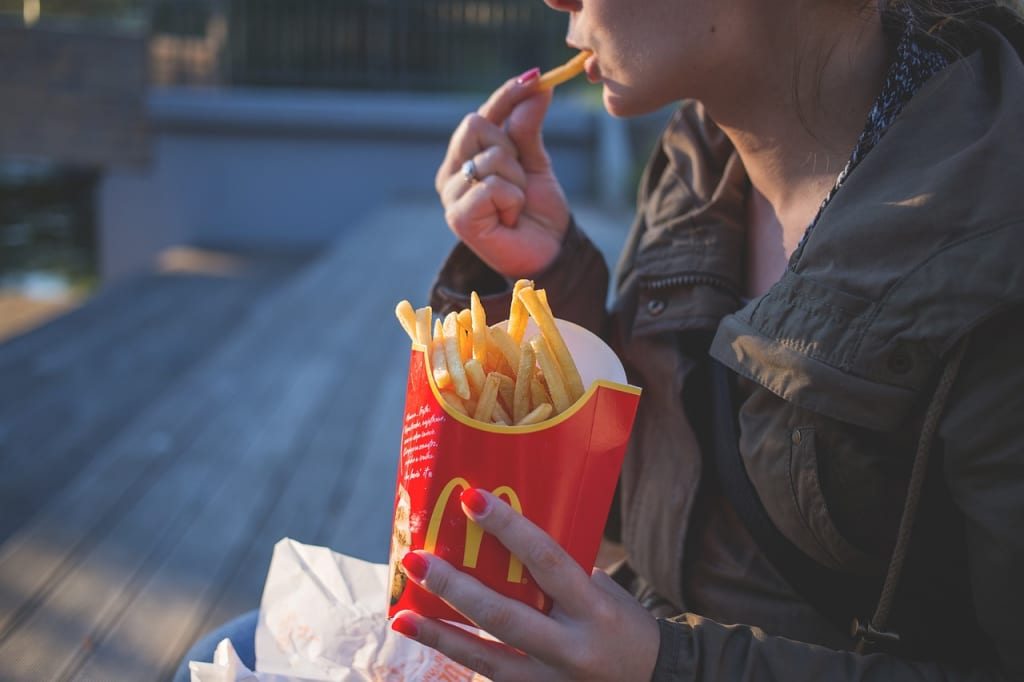
It's easy to understand the appeal of fast food - it's affordable, convenient, and can be quite tasty if you don't expect gourmet quality. However, while parents might be vigilant about checking their kids' Halloween candy for tampering, it may be more crucial to examine the meals served in paper bags at fast-food restaurants.
Recently, there have been alarming incidents of fast food items being recalled and some restaurants forced to stop selling and discard certain items due to safety concerns. People have fallen ill and even hospitalized after consuming fast food products. The severity of some situations is life-threatening, raising questions about customer safety.
Customers have expressed their shock and concern over discovering disgusting or unsafe items in their fast-food meals. Despite these incidents, obtaining information about inspections and addressing customer complaints often proves challenging.
Over the past few years, headlines have highlighted alarming trends of customers experiencing health issues after consuming fast food. From cramps after McDonald's to mysterious illnesses linked to various restaurants, fast food chains are facing lawsuits, leading to debates about the authenticity of these allegations.
While some lawsuits may seem like attempts to profit from the billion-dollar fast food industry, others raise valid concerns about consumer health and safety. Incidents like the Subway footlong sandwich scandal and allegations against Starbucks for serving more ice than coffee highlight ongoing issues.
McDonald's, as a representative example, holds a significant place in American culture, and its menu has become iconic. However, recent incidents and recalls underscore the need for transparency and accountability in the fast-food industry to ensure customer health and safety are not compromised.The fast-food chain Starbucks has faced a federal lawsuit alleging that they serve more ice than coffee in their beverages, leaving customers dissatisfied with the ratio. These incidents raise concerns about consumer health and safety, prompting a closer look at popular fast-food chains like McDonald's.
McDonald's, an iconic symbol of American fast food, has a menu filled with household names like Happy Meals, Big Macs, and chicken McNuggets. However, recent incidents have cast doubt on the safety of some of their offerings. In January 2023, a Toronto woman reported being sick for days after consuming chicken McNuggets that were allegedly dangerously undercooked. Other social media posts have also shown instances of raw or improperly cooked nuggets being served to customers, suggesting this may not be an isolated incident.
Moreover, there have been reports of customers finding mold on McDonald's buns, raising concerns about food safety standards. For individuals with severe mold allergies, consuming such contaminated food could have serious health implications.
These incidents underscore the need for fast-food chains to prioritize food safety and quality control. Customers expect that the food they are served meets the advertised standards and is safe to consume. The fast-food industry should take measures to address these issues and ensure the well-being of their customers.The issue of mold and unclean equipment in fast-food restaurants, particularly at McDonald's, raises serious concerns about food safety and quality control. Customers have reported finding mold on buns and other food items, posing potential health risks, especially for those with severe mold allergies. Such oversights can have deadly consequences, and it is crucial for fast-food chains to address these issues to protect their customers' well-being.
Mold has been found in various unexpected places, from the bottom of pizza crusts to inside pieces of fried chicken at other fast-food establishments like Domino's and KFC. Moreover, drink machines and ice cream machines have been alleged to contain mold due to inadequate cleaning practices, as employees claim that such tasks are often neglected or not done thoroughly enough.
Fast-food workers have sometimes taken to social media to expose unsanitary practices and food safety concerns at their workplaces. Allegations of serving expired ingredients, attempting to use questionable food items, and overlooking cleanliness are troubling signs of potential negligence. In some cases, employees have been fired for sharing such information, but this does not deter some from speaking out to ensure customer safety.
It is essential for fast-food chains to prioritize food safety, hygiene, and employee training to prevent such incidents. Consumer health should never be compromised for the sake of profits, and businesses need to create an environment where employees feel comfortable reporting issues without fear of retaliation. Stricter standards and regular inspections are necessary to maintain the trust of customers and protect their well-being.
About the Creator
Keep reading
More stories from GOOD LIVING and writers in Education and other communities.
The world of Ai
TikTok is actively investing in making the Focused View feature a reality, despite it not being in use at the moment. The platform's ability to curate a unique algorithm for each user's interests is unmatched and addictive, but it also raises concerns about user security. Some users suspect that TikTok is spying on them, as the app seems to know personal information that reflects their habits on other apps.
By GOOD LIVING3 years ago in Education
Everyday Cooking Skills That Turn Home Kitchens Into Creative Spaces
Cooking at home is more than a routine task. It is a practical life skill that supports better health, saves money, and encourages creativity. While recipes are helpful, true kitchen confidence comes from understanding essential cooking skills that work across countless dishes. When home cooks grasp these fundamentals, they can adapt recipes, solve problems, and cook with freedom rather than fear.
By Erika Mackinnon2 days ago in Education
Rage
Content Warning: Domestic Violence, Assault Rage D. A. Ratliff “Who did this?” My voice echoed through the house. All I wanted was a cup of tea, but one of the twins, running through the house like maniacs, knocked it over. My nerves tingled, and every muscle in my body felt coiled like a spring. Survival seemed out of reach.
By D. A. Ratliff7 days ago in Fiction




Comments
There are no comments for this story
Be the first to respond and start the conversation.