
Exploring the Enigmatic World of Beetles: Unveiling Nature's Hidden Gems
Illuminating the Diversity, Adaptations, and Ecological Significance of Earth's Most Prolific Insects

In the grand tapestry of Earth's biodiversity, few creatures hold the remarkable diversity and adaptability of beetles. Comprising an astonishing 22 percent of all described life forms on our planet, these tiny architects of nature have long captured the curiosity of scientists and nature enthusiasts alike. Within the hallowed halls of the Field Museum, a treasure trove of approximately five million beetle specimens reflects the astonishing range of form, function, and behavior within this unparalleled order.
A Kaleidoscope of Marvels: Beetles in the Spotlight
Lightning Beetles: The captivating light displays orchestrated by lightning beetles are a testament to their fascinating communication strategies. These displays, which play a crucial role in attracting mates and facilitating social interactions, are a dazzling spectacle of nature's ingenuity.
Rhinoceros Beetles: Giants in the beetle world, rhinoceros beetles can lift weights up to 850 times their own. These remarkable feats of strength underline the astounding capacities that evolution has sculpted in these unassuming creatures.
Rove Beetles: Concealed within the ordinary appearance of Rove beetles lies an arsenal of potent toxins. Some species can emit chemicals capable of inflicting severe burns when crushed against the skin—a unique defense mechanism developed over millions of years.
Darkling Beetles: Unraveling the Enigma
Among the vast and varied realm of beetles, the diminutive darkling beetles stand out as a fascinating group deserving of attention. Often overlooked due to their modest appearance, the Briana species exemplify the concept that appearances can be deceiving. Dr. Margaret Fair, a dedicated researcher, is leading the charge in unraveling the mysteries hidden within these unassuming insects.
A Project of Accessibility: Bridging Knowledge Gaps
Dr. Fair's endeavor is to bridge the gap between the intricate data associated with darkling beetles and researchers hungry for knowledge. By meticulously compiling and analyzing data, the project aims to highlight the ecological significance, behavioral intricacies, and potential scientific contributions of these seemingly commonplace beetles.
Exploring the Darkling Beetle Realm: An Unveiling
The Darkling Beetle Anatomy: Diverse in form and size, darkling beetles boast a thick, hard cuticle and distinctive antennae that house a club-like structure. These features distinguish them from other beetle species and grant them the title of "darkling."
Adaptation to Arid Environments: Darkling beetles predominantly thrive in arid landscapes, exemplifying their adaptation to these harsh conditions. While their appearance may vary, their resilience and unique attributes allow them to flourish in environments that might seem inhospitable to others.
Global Distribution: With a presence spanning the globe, darkling beetles display a remarkable diversity that has made them a significant component of various ecosystems. From the dry deserts to moister habitats, these beetles showcase their ability to adapt and thrive.
Unveiling the Future: Beetles as Climate Change Indicators
The unique adaptations of darkling beetles to arid environments offer valuable insights into how organisms might respond to climate change. As habitats shift due to changing climate patterns, these beetles' ability to expand their ranges can serve as a crucial indicator of ecological transformations.In the vast canvas of life on Earth, the intricate stories of beetles emerge as a testament to nature's unceasing creativity and resilience. From the flamboyant light shows of lightning beetles to the Herculean feats of rhinoceros beetles and the stealthy chemical defenses of rove beetles, each member of this remarkable order contributes to the symphony of existence. Even the seemingly inconspicuous darkling beetles, represented by the Briana species, hold tales waiting to be unveiled.
Dr. Margaret Fair's tireless efforts in the pursuit of understanding these darkling beetles exemplify the passion and dedication that drive scientific exploration. As she bridges the gap between data and eager researchers, the veil surrounding these creatures' lives is gradually lifted, revealing intricate ecological roles, behavioral nuances, and the potential impacts of their adaptations on scientific studies.
As we journey through the hidden realm of darkling beetles, we discover that their diversity is not only a testament to the power of evolution but also an indicator of Earth's ever-changing ecosystems. Their ability to thrive in arid environments and adapt to shifting conditions positions them as sentinels of climate change, offering insights into how life navigates the challenges of our transforming planet.
About the Creator
Keep reading
More stories from Md.Ismail Hossain Sohag and writers in Education and other communities.
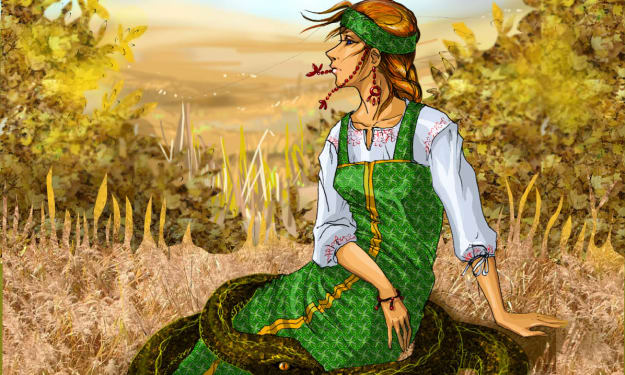
The Two Fates of the Snake Brides: A Tale of Love and Horror
In a distant village, there lived an elderly widow who had three beautiful daughters. She toiled tirelessly, managing all the household chores herself, from fetching firewood to catching fish. One day, while attempting to catch fish by the river, she discovered a wicker basket containing a peculiar snake. Determined to rid her home of the creature, she brought the basket back and left it in a corner. Unknown to her, the snake ventured to a jar of condiments.
By Md.Ismail Hossain Sohag3 years ago in Art
How the Sun Affects Asteroid Paths: Gravity, Radiation Pressure, and Orbital Changes Explained
Introduction: The Silent Influence of the Sun ☀️ Every night, thousands of asteroids quietly move through space. Most of them orbit harmlessly between Mars and Jupiter in the asteroid belt. Others travel closer to Earth, following paths shaped by invisible forces.
By shahkar jalal2 days ago in Education



Comments
There are no comments for this story
Be the first to respond and start the conversation.