
Exploring the Complexities of the Brain: The Interplay of Dopamine and Everyday Life
A Journey Through the Neuroscience of Daily Life
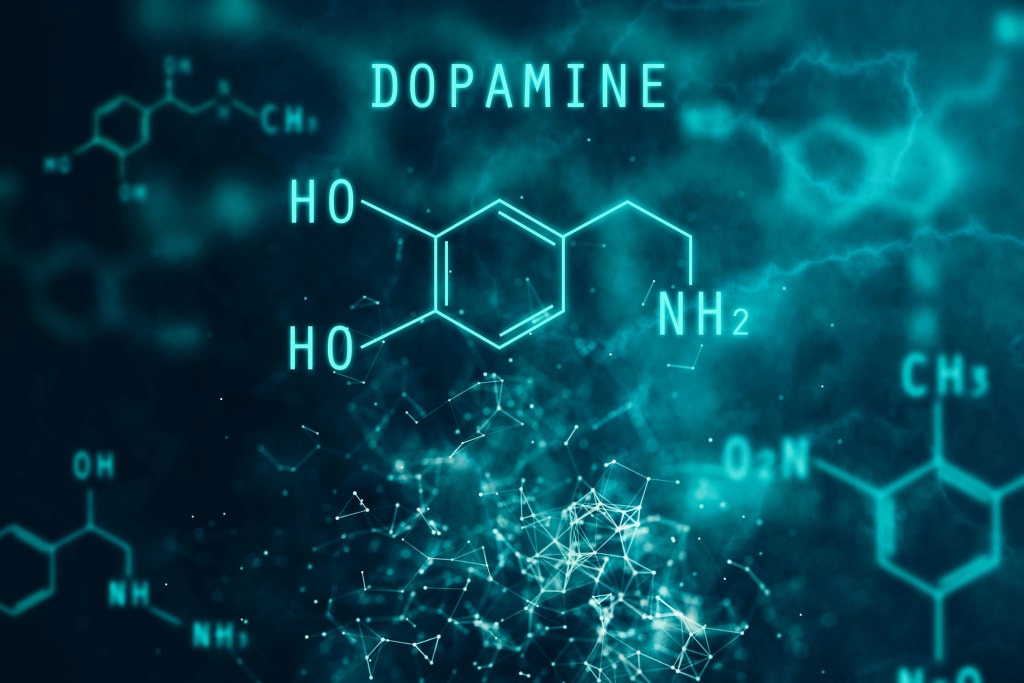
Dopamine is a neurotransmitter, a chemical messenger in the brain that is responsible for transmitting signals between nerve cells. It is involved in a wide range of functions, from regulating movement to controlling the release of hormones. But dopamine is perhaps best known for its role in regulating our mood, motivation, and pleasure. In this article, we will explore how dopamine is involved in our everyday life, and how it affects our behaviour and emotions.
Dopamine is commonly referred to as the "feel-good" neurotransmitter because it is released in response to pleasurable experiences, such as eating a delicious meal, having sex, or accomplishing a difficult task. This release of dopamine creates a sense of reward and reinforces the behaviour that led to the pleasurable experience. This reinforcement helps to motivate us to repeat the behaviour in the future, a critical aspect of learning and adaptation.
One of the most significant ways that dopamine affects our everyday life is through motivation. Dopamine is involved in our motivation to pursue goals, whether it be earning a promotion at work, learning a new skill, or reaching a personal milestone. When we set a goal and make progress towards it, dopamine is released in response, creating a sense of satisfaction and reinforcing our motivation to continue working towards the goal. Dopamine also affects motivation by influencing the release of other neurotransmitters, such as norepinephrine and serotonin, which are involved in arousal, attention, and mood. When dopamine levels are high, it can increase the release of these other neurotransmitters, leading to feelings of energy, focus, and motivation. This can help us to initiate and persist in goal-directed behaviour, such as exercising, studying, or working. However, if dopamine levels are disrupted, it can have a negative impact on motivation. For example, if dopamine levels are too low, it can lead to feelings of fatigue, apathy, and anhedonia (the inability to experience pleasure), making it difficult to initiate and persist in goal-directed behavior. Conversely, if dopamine levels are too high, it can lead to impulsive and reckless behavior, making it difficult to control our impulses and focus on long-term goals.
Dopamine also affects our mood, playing a role in conditions such as depression and anxiety. Low levels of dopamine are associated with depression, while elevated levels of dopamine can increase feelings of anxiety. This is why dopamine-targeting medications, such as antidepressants and anti-anxiety drugs, are commonly prescribed to help regulate mood.
In addition to its role in mood regulation, dopamine also affects our decision-making and impulse control. The release of dopamine in response to pleasurable experiences can encourage impulsive behaviour, such as overeating, gambling, or substance abuse. This is why it is important to understand the role that dopamine plays in our behaviour, and to make conscious choices to engage in activities that promote healthy dopamine release and regulation.
Dopamine is also involved in our sleep-wake cycle, regulating our alertness and attention. When we are awake, dopamine helps to keep us alert and focused, while low levels of dopamine during sleep can lead to feelings of grogginess and fatigue upon waking. During the day, when we are awake, dopamine helps to promote wakefulness and alertness. It does this by stimulating the release of other neurotransmitters, such as norepinephrine, which are involved in arousal and attention. When dopamine levels are high, we feel more awake, alert, and focused, and are better able to perform cognitive tasks. At night, when it is time to sleep, dopamine levels decrease, allowing us to feel drowsy and promoting sleep. This decrease in dopamine levels is critical to the regulation of the sleep-wake cycle, and helps to ensure that we get enough rest and are able to perform optimally during the day. However, if dopamine levels are disrupted, it can lead to problems with the regulation of the sleep-wake cycle. For example, if dopamine levels are too low, it can lead to feelings of grogginess and fatigue, making it difficult to stay awake and focused during the day. Conversely, if dopamine levels are too high, it can make it difficult to fall asleep and stay asleep at night.
One of the most fascinating aspects of dopamine is its role in addiction. Drugs such as cocaine, methamphetamine, and opioids all work by increasing dopamine release in the brain. This flood of dopamine creates a pleasurable, reinforcing experience that can lead to addiction. This is why it is important to understand the role that dopamine plays in addiction, and to take steps to protect against substance abuse and addiction. Drugs of abuse, such as cocaine, methamphetamine, and opioids, all work by increasing dopamine release in the brain. This flood of dopamine creates a powerful, pleasurable experience that can be highly reinforcing. Over time, the brain adjusts to the increased levels of dopamine, and the user needs to take more and more of the drug to achieve the same pleasurable effect. This can lead to addiction, where the individual becomes compulsively focused on obtaining and using the drug, even if it is causing harm to their health and relationships. Addiction is a complex condition that involves multiple brain regions and systems, and dopamine is just one of the many factors that contribute to its development. However, the role of dopamine in the brain's reward system is critical, and understanding its role in addiction is essential to developing effective treatments and interventions. One of the main ways that addiction treatment works is by normalizing dopamine levels and reducing the rewarding effects of drugs. This can be achieved through behavioural therapies, such as cognitive-behavioural therapy, or through medications that target the dopamine system. For example, some medications can block the effects of drugs, reducing the pleasurable experience and decreasing the risk of relapse.
In conclusion, dopamine is a critical neurotransmitter that plays a role in a wide range of functions in our everyday life. From regulating our mood and motivation, to influencing our decision-making and impulse control, to regulating our sleep-wake cycle and attention, dopamine is involved in almost every aspect of our behaviour and emotions. By understanding the role that dopamine plays in our lives, we can make informed decisions to promote healthy dopamine release and regulation, and to protect against the negative effects of addiction and substance abuse.
About the Creator
Keep reading
More stories from Victor Agbontean and writers in Education and other communities.
The Emotions and Psychology of Trading: A Comprehensive Analysis of Human Behaviour in Financial Markets
The Role of Emotions in Trading Emotions play a fundamental role in shaping trading decisions, often overriding rational thinking and leading to biased behaviour. Researchers have extensively studied the impact of emotions on trading outcomes, highlighting their profound influence on market participants. Understanding the mechanisms through which emotions affect trading can provide valuable insights for traders seeking to navigate the complexities of financial markets.
By Victor Agbontean3 years ago in Trader
The Blue Ridge Stalker
Tom had left the Ford down the way, its spark plugs finally exhausted and no mechanics for a dozen miles back through the foothills to Strossburg. No matter, he had worn his boots—almost as if he planned for this to happen. The puzzle he sought to solve emanated from the woods clinging to the slopes above; the valley behind held no mysteries.
By Stephen A. Roddewig6 days ago in Fiction




Comments
There are no comments for this story
Be the first to respond and start the conversation.