
Exploring the Benefits of Using Alternatives to PHP 8 Deprecated Features
Maintaining Code Quality By Eliminating PHP 8 Deprecated Features

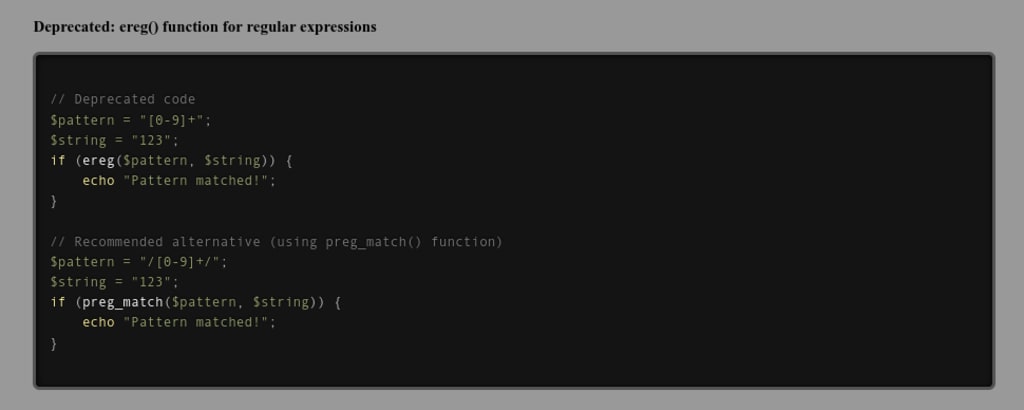
PHP development is a fast-paced realm where keeping in sync with the latest standards and best practices is vital to uphold code quality and ensure future compatibility. However, things took a turn with the arrival of PHP 8, which rendered several features from earlier versions deprecated. Let's dive into why tackling these deprecated elements is crucial and explore the perks of embracing alternatives. By embracing these changes and harnessing cutting-edge solutions, developers can supercharge performance, bolster security, and safeguard a robust PHP codebase that stands the test of time.
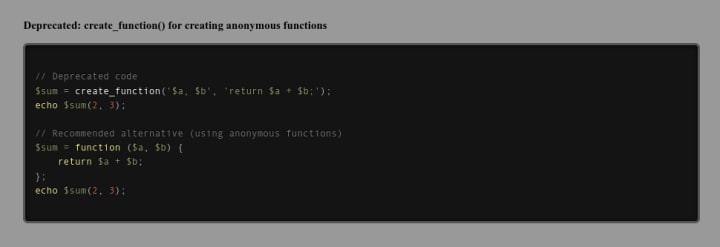
Understanding Deprecated Features in PHP 8
Deprecated features in PHP refer to functions, methods, syntax, or extensions no longer recommended. They have been marked deprecated to encourage developers to transition to more efficient and maintainable alternatives. Developers can make informed decisions when updating their projects by understanding the reasons behind deprecations and their impact on code quality.
Benefits of Using Alternatives
• Improved Performance and Efficiency
Using alternatives to deprecated features allows developers to use optimized code and modern language features. In addition, these alternatives often introduce performance enhancements, resulting in faster and more efficient PHP applications. By embracing the improvements offered by alternative solutions, developers can optimize their codebase and deliver better performance to end-users.
• Enhanced Security and Stability
Deprecated features in PHP can expose applications to security risks due to unaddressed vulnerabilities. By embracing alternative solutions, developers can effectively mitigate these risks and ensure the security and stability of their PHP applications. Moreover, adopting up-to-date alternatives guarantees compatibility with future PHP versions, enabling developers to proactively avoid potential security threats and maintain a secure project environment.
• Better Code Maintainability and Readability
Deprecated features add complexity and pose maintenance challenges for codebases. To tackle this, developers must adhere to best practices and coding standards, enhancing the maintainability and readability of their code. Embracing alternatives often brings updated documentation, robust community support, and improved compatibility with contemporary libraries and frameworks. By leveraging these alternatives, developers can craft cleaner and more understandable code, facilitating collaboration and easing project maintenance as time progresses.
Replacing Deprecated Functions and Methods
Identifying and replacing deprecated functions and methods is crucial for keeping codebases current. By carefully examining the deprecated features used in the code, developers can explore alternative functions and methods provided by the PHP ecosystem. Adapting the code to use the recommended alternatives ensures that the application remains functional and compatible with the latest PHP versions. However, developers must also consider backward compatibility to avoid breaking existing implementations.
Updating Deprecated Syntax and Constructs
Each PHP version's syntax and language constructs may change or become deprecated. Therefore, identifying deprecated syntax and constructs within the codebase is essential for maintaining compatibility and readability. By understanding the recommended replacements and updating the code to use modern syntax and constructs, developers can ensure their codebase adheres to the latest PHP standards while ensuring compatibility with older PHP versions when necessary.
Migrating Deprecated Extensions and Features
As PHP evolves, specific extensions and features may be deprecated, affecting the functionality of existing applications. Recognizing deprecated extensions and features in PHP 8 is vital for migrating to alternative solutions. By researching and adopting suitable alternatives, developers can ensure the continued operation of their applications. However, migrating deprecated extensions and features requires careful consideration of impact and dependencies. Therefore, thorough testing and evaluation are crucial to guarantee a smooth transition before implementing changes.
Leveraging Third-Party Libraries and Frameworks
In PHP projects, it's common to utilize third-party libraries and frameworks that might come bundled with deprecated dependencies. Identifying and addressing these deprecated dependencies is crucial to keep your codebase healthy and up-to-date. Developers can ensure compatibility, security, and access to new features by exploring updated versions or alternative libraries. Moreover, effective communication with library maintainers and fellow developers can provide valuable insights into the migration process, making the transition seamless and hassle-free.
Improving Performance with Modern PHP Features
PHP 8 introduces new features and language enhancements designed to improve performance. Exploring these modern features enables developers to optimize their codebase further. Developers can deliver faster and more efficient PHP applications by utilizing modern language constructs and taking advantage of performance optimizations in updated libraries and frameworks.
Enhancing Security with Upgraded Solutions
Understanding the security vulnerabilities associated with deprecated features is crucial for maintaining a secure codebase. Developers can protect their applications from risks by adopting safe alternatives and best practices. In addition, implementing additional security measures where necessary ensure robust security and helps safeguard against evolving threats.
Ensuring Compatibility with Future PHP Versions
Forward compatibility is essential to ensure applications remain functional and maintainable in future PHP versions. By recognizing the importance of aligning code with upcoming PHP versions, developers can adapt their codebase to new standards and features. In addition, staying informed about PHP roadmaps and updates allows developers to plan and ensure a smooth transition when newer PHP versions are released.
Code Refactoring and Optimization
Addressing deprecated features presents an opportunity to refactor and optimize code. By following best practices and applying coding standards, developers can improve the cleanliness and efficiency of their codebase. Code refactoring streamlines performance enhances maintainability, and minimizes technical debt. It also provides an opportunity to implement new design patterns and architectural improvements.
Testing and Quality Assurance
Once the codebase has been updated, it becomes imperative to conduct rigorous testing to guarantee compatibility, functionality, and reliability. This comprehensive testing aims to uncover any issues or regressions that have emerged during the migration process. Moreover, developers must ensure that the application operates as intended and that all functionalities remain intact. Incorporating quality assurance practices, including unit testing, integration testing, and continuous integration, plays a pivotal role in upholding a PHP codebase of exceptional quality.
Monitoring and Maintenance
Establishing ongoing monitoring and maintenance practices is crucial for PHP applications' long-term health and stability. Staying vigilant for future deprecations and updates allows developers to address issues and keep their codebase up to date proactively. In addition, regularly updating dependencies and libraries helps maintain compatibility, security, and access to new features, ensuring the PHP application remains robust and future-proof.
This blog post explored the benefits of using alternatives to PHP 8 deprecated features. By embracing modern solutions and addressing deprecated features, developers can unlock improved performance, enhanced security, better code maintainability, and future compatibility. In addition, upgrading codebases to utilize alternative functions, methods, syntax, and extensions enables developers to stay ahead in the dynamic world of PHP development. Embracing these changes and maintaining a modern and future-proof PHP codebase is critical to delivering high-quality applications that meet the evolving needs of users.
Additional Resources and References (No Hyperlinks - Copy Paste Them)
- Official PHP Documentation: https://www.php.net/manual/en/
- PHP The Right Way: https://phptherightway.com/
- PHP FIG (Framework Interop Group): https://www.php-fig.org/
- Composer (Dependency Manager for PHP): https://getcomposer.org/
- Stack Overflow (Community Q&A): https://stackoverflow.com/questions/tagged/php
Frequently Asked Questions (FAQs)
Q: Why are deprecated features in PHP 8 essential to address?
A: Deprecated features in PHP 8 should be addressed to ensure future compatibility, improve code quality, and maintain security. Using alternatives, developers can optimize their codebase and utilize modern language features.
Q: How can I identify deprecated functions and methods in my code?
A: Deprecated functions and methods are often marked with a deprecation notice in the PHP documentation. Additionally, enabling error reporting and reviewing the PHP logs can help identify deprecated features used in the codebase.
Q: What should I consider when migrating deprecated extensions and features?
A: When migrating deprecated extensions and features, consider researching and adopting alternative solutions that provide similar functionality. Thoroughly test the migration to ensure compatibility and evaluate the impact and dependencies of the migration.
Q: How can I ensure compatibility with future PHP versions?
A: Stay informed about PHP roadmaps and updates to ensure compatibility with future PHP versions. Adapt your codebase to align with upcoming PHP versions, considering any new features, syntax changes, or deprecated functionality.
Q: What are the benefits of code refactoring and optimization?
A: In the ever-evolving realm of code development, embarking on the journey of refactoring and optimization plays a crucial role in uplifting code quality, bolstering performance, and ensuring long-term maintainability. Refactoring empowers developers to revamp code, crafting cleaner and meticulously organized structures that enhance the overall readability and understandability of the codebase. Simultaneously, optimization endeavors are geared towards fine-tuning code execution, enabling a more efficient and streamlined performance that ultimately results in an enriched application experience. By embracing the twin forces of code refactoring and optimization, developers forge a path toward a codebase that excels in craftsmanship and execution, reaping the rewards of improved quality and performance.
Want to update your codbase? Consult my team today, We will help you optimize your codebase efficeintly - https://www.siliconinfo.com
About the Creator
Arnold McConaughey
Heya, I'm Arnold, a web developer. With an insatiable curiosity and a knack for problem-solving, I have worked on more than thousand Outsource web development projects, delivering awesomeness each time.
Keep reading
More stories from Arnold McConaughey and writers in Education and other communities.
Why Outsourcing PHP Development Services is a Smart Business Move
Effective website and application development is critical to the success of organizations across sectors in today's digital age. PHP (Hypertext Preprocessor) is a popular programming language for web development. PHP has several advantages, including adaptability, flexibility, and good coding standards. However, building PHP-based applications in-house might be complex due to a lack of experience, expensive recruiting and training expenses, and restricted scalability. Outsourcing PHP programming services might be a wise business decision in this case. This blog article will explain the benefits of outsourcing PHP programming and best practices for successful cooperation.
By Arnold McConaughey3 years ago in Journal
Synergy in Action: Why Collaboration is Key to Effective Holistic Planning
In today’s dynamic and interconnected world, planning in isolation is no longer sufficient. Holistic planning demands a comprehensive approach that considers multiple dimensions, including financial, operational, human, social, and environmental factors. Achieving this level of integration requires collaboration. Collaboration allows organizations and individuals to combine expertise, perspectives, and resources to create strategies that are resilient, adaptive, and sustainable. Without collaboration, holistic planning risks becoming fragmented, reducing its effectiveness and limiting its potential impact. By fostering teamwork and shared responsibility, collaboration transforms planning from a theoretical exercise into actionable, coordinated strategies.
By James Burleson7 days ago in Education
The Blue Ridge Stalker
Tom had left the Ford down the way, its spark plugs finally exhausted and no mechanics for a dozen miles back through the foothills to Strossburg. No matter, he had worn his boots—almost as if he planned for this to happen. The puzzle he sought to solve emanated from the woods clinging to the slopes above; the valley behind held no mysteries.
By Stephen A. Roddewig7 days ago in Fiction



Comments
There are no comments for this story
Be the first to respond and start the conversation.