
Exploring Electronics and Communications Engineering: A Comprehensive Guide to B.Tech and B.E. Programs
Your pathway to a dynamic and rewarding career in technology and innovation.

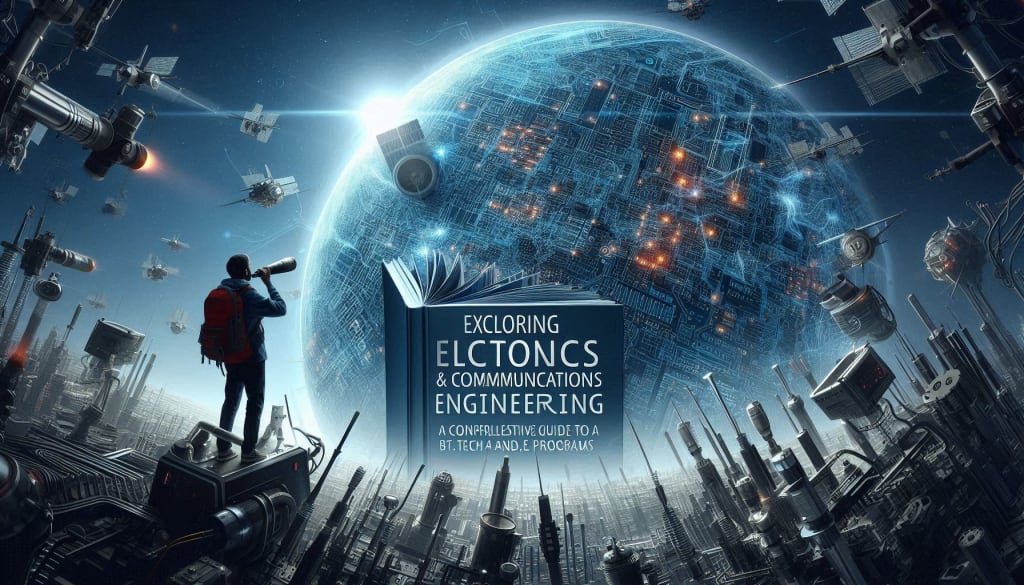
Electronics and Communications Engineering (ECE) is a dynamic and rapidly evolving field that plays a crucial role in the modern technological landscape. ECE encompasses a broad range of topics, including electronic circuits, communication systems, signal processing, and embedded systems. Pursuing a Bachelor of Technology (B.Tech) or Bachelor of Engineering (B.E.) in ECE can open doors to diverse and rewarding career opportunities. This comprehensive guide will explore the intricacies of ECE, the curriculum of B.Tech and B.E. programs, and the career prospects available to graduates.
1. Understanding Electronics and Communications Engineering
Electronics and Communications Engineering focuses on the design, development, and maintenance of electronic devices and communication systems. It integrates principles from both electronics and communication to create systems that enable efficient data transfer and connectivity
- Electronics: Involves the study and application of electronic components such as semiconductors, transistors, and integrated circuits. It covers the design and analysis of circuits, power systems, and electronic devices.
- Communications: Focuses on the transmission and reception of signals over various media. This includes studying analog and digital communication, wireless communication, satellite communication, and network protocols.
2. B.Tech and B.E. Programs in ECE
B.Tech and B.E. programs in Electronics and Communications Engineering typically span four years and are designed to provide students with a strong foundation in both theoretical and practical aspects of the field.
- Curriculum: The curriculum of B.Tech and B.E. programs in ECE includes core subjects such as:
- Electronic Devices and Circuits: Study of semiconductor devices, circuit design, and analysis.
- Digital Logic Design: Principles of digital systems, logic gates, and circuits.
- Signals and Systems: Analysis of signals, system behavior, and signal processing techniques.
- Communication Systems: Study of analog and digital communication, modulation techniques, and transmission systems.
- Microprocessors and Microcontrollers: Architecture, programming, and applications of microprocessors and microcontrollers.
- Electromagnetic Theory: Fundamentals of electromagnetic fields, wave propagation, and antennas.
- Network Theory: Analysis of electrical networks, circuit theorems, and network synthesis.
- VLSI Design: Principles of Very Large Scale Integration, circuit design, and fabrication techniques.
- Laboratory Work: Practical sessions in well-equipped labs are integral to ECE programs. Students gain hands-on experience with electronic components, circuit design, and communication systems.
- Projects and Internships: Many programs include mandatory projects and internships, allowing students to apply their knowledge to real-world problems and gain industry experience.
3. Skills Acquired in ECE
Graduates of B.Tech and B.E. programs in Electronics and Communications Engineering acquire a diverse set of skills that are highly valued in the job market:
- Analytical Skills: Ability to analyze and solve complex problems in electronic circuits and communication systems.
- Technical Proficiency: Proficiency in designing, testing, and maintaining electronic and communication systems.
- Programming Skills: Knowledge of programming languages such as C, C++, Python, and MATLAB for developing software and hardware applications.
- Teamwork and Collaboration: Experience working in teams on projects and laboratory assignments.
- Communication Skills: Effective communication skills for presenting technical information and collaborating with multidisciplinary teams.
4. Career Opportunities in ECE
Electronics and Communications Engineering graduates have a wide range of career opportunities in various industries, including telecommunications, electronics, IT, and automation. Some potential career paths include:
- Electronics Engineer: Design and develop electronic equipment, systems, and components.
- Communications Engineer: Develop and maintain communication systems, including wireless, satellite, and fiber-optic networks.
- Embedded Systems Engineer: Design and program embedded systems used in consumer electronics, automotive applications, and industrial automation.
- Network Engineer: Design, implement, and manage computer networks and communication systems.
- Signal Processing Engineer: Work on the analysis and manipulation of signals for applications such as audio, video, and image processing.
- Telecommunications Engineer: Develop and maintain telecommunications infrastructure, including mobile networks and internet services.
- Research and Development (R&D) Engineer: Engage in innovative research and development of new technologies and products.
5. Future Trends in ECE
The field of Electronics and Communications Engineering is continuously evolving, with several emerging trends shaping its future:
- 5G and Beyond: The rollout of 5G networks and the development of next-generation communication technologies will drive innovation in wireless communication.
- Internet of Things (IoT): The proliferation of IoT devices will increase the demand for engineers skilled in designing and integrating smart systems.
- Artificial Intelligence and Machine Learning: The integration of AI and ML in communication systems and electronic devices will create new opportunities for ECE professionals.
- Renewable Energy Systems: The focus on sustainable energy solutions will drive the development of efficient power electronics and renewable energy systems.
- Quantum Computing: Advancements in quantum computing will open new frontiers in computing and communication technologies.
6. Choosing the Right Program
When selecting a B.Tech or B.E. program in Electronics and Communications Engineering, consider the following factors:
- Accreditation: Ensure the program is accredited by relevant authorities and meets industry standards.
- Faculty: Look for experienced faculty with expertise in various subfields of ECE.
- Infrastructure: Choose institutions with state-of-the-art laboratories and research facilities.
- Industry Connections: Programs with strong industry ties can provide better internship and job placement opportunities.
- Alumni Network: A robust alumni network can offer valuable mentorship and career guidance.
In conclusion, exploring Electronics and Communications Engineering through B.Tech and B.E. programs offers a pathway to a rewarding and dynamic career. With a solid foundation in both theoretical knowledge and practical skills, ECE graduates are well-equipped to tackle the challenges of the modern technological landscape. As the field continues to evolve, the opportunities for innovation and impact in ECE are boundless. Embrace the journey, stay curious, and explore the exciting world of Electronics and Communications Engineering.
About the Creator
Anand Khokhar
A resourceful and determined professional at Pixa Ocean, thrives on tackling challenges with creativity and innovation.
Keep reading
More stories from Anand Khokhar and writers in Education and other communities.
Enhancing Your Future: Career Talk on the Benefits of Online Learning
Maximizing Your Potential: The Comprehensive Guide to Online Learning The landscape of education has undergone a dramatic transformation in recent years, with online learning becoming an increasingly popular and effective method of gaining knowledge and skills. From flexible schedules to a wide variety of courses, online learning offers numerous advantages for students, professionals, and lifelong learners alike. This article provides an in-depth look at the world of online learning, its benefits, popular platforms, and tips for maximizing your virtual education experience.
By Anand Khokhar2 years ago in Education
Breaking Down Private and Commercial Pilot Licenses
Taking flight is more than just a thrill; it can be a lifestyle or a full-fledged career. But before you can soar through the skies, you need to earn the appropriate pilot license. Two of the most common paths for aspiring aviators are the private pilot license (PPL) and the commercial pilot license (CPL). While both enable you to fly aircraft, they serve very different purposes and require varying levels of commitment. If you're deciding between the two, understanding the distinctions can help you make the right choice for your future in aviation.
By Jett Harris of Arkansas2 days ago in Education




Comments
There are no comments for this story
Be the first to respond and start the conversation.