
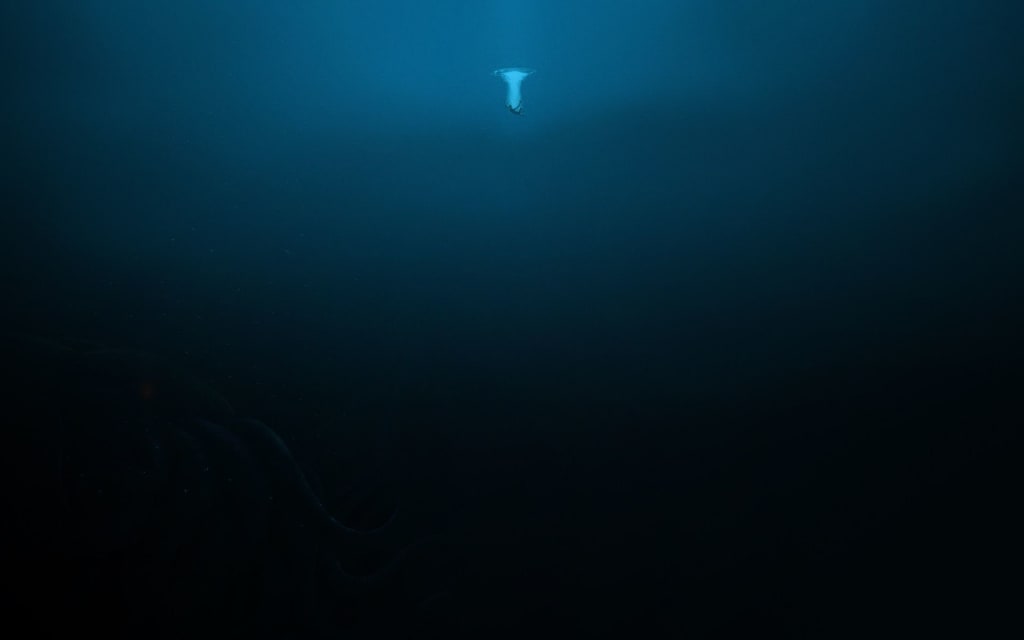
The vastness of the Earth's oceans has always captivated the human imagination, and none more so than the enigmatic depths known as the abyss. The abyss represents the ultimate frontier, a realm shrouded in darkness and teeming with mysterious and undiscovered life forms. This essay aims to delve into the mystery of the abyss, exploring its geological features, unique ecosystems, and the ongoing scientific exploration efforts. By investigating the deep sea's secrets, we hope to gain a better understanding of our planet's hidden realms and the potential implications for life on Earth.
Table of Contents:
- Introduction
- 1.1 Background
- 1.2 Research Question
- 1.3 Methodology
- Unveiling the Abyss: Geological Features
- 2.1 The Definition and Extent of the Abyss
- 2.2 The Abyssal Plain
- 2.3 Trenches and Seamounts
- 2.4 Hydrothermal Vents
- 2.5 Submarine Canyons
- Life in the Abyss: Unique Ecosystems
- 3.1 Adaptations to Extreme Conditions
- 3.2 Bioluminescence and Deep-Sea Creatures
- 3.3 Biodiversity and Species Discoveries
- 3.4 Trophic Interactions and Food Webs
- Deep-Sea Exploration: Scientific Endeavors
- 4.1 Early Expeditions and Technological Advances
- 4.2 Deep-Sea Submersibles and ROVs
- 4.3 Challenges and Limitations
- 4.4 Recent Discoveries and Breakthroughs
- 4.5 Future Prospects
- The Abyss and Global Implications
- 5.1 Climate Change and Ocean Health
- 5.2 Deep-Sea Mining and Resource Extraction
- 5.3 Biomedical Discoveries and Pharmaceuticals
- 5.4 Astrobiology and Extraterrestrial Life
- Ethical Considerations: Conservation and Preservation
- 6.1 Protecting Fragile Ecosystems
- 6.2 Balancing Scientific Exploration and Environmental Responsibility
- 6.3 International Collaborations and Legal Frameworks
- Conclusion
- 7.1 Summary of Findings
- 7.2 Future Research Directions
- 7.3 Final Thoughts
Introduction:
1.1 Background:
The ocean covers more than 70% of the Earth's surface, with an average depth of 3,800 meters. Yet, the deep sea, particularly the abyssal zone, remains one of the least explored and understood regions on our planet. The abyss holds an air of mystery, drawing scientists, explorers, and storytellers alike into its depths.
1.2 Research Question:
The central focus of this essay is to investigate the mystery of the abyss and shed light on its geological features, unique ecosystems, and ongoing scientific exploration. By doing so, we seek to unravel the enigma that lies beneath the ocean's surface.
1.3 Methodology:
This research is based on a comprehensive review of existing literature, including scientific papers, books, and reputable online sources. Various scientific disciplines, such as marine biology, geology, oceanography, and ecology, contribute to our understanding of the abyss. By synthesizing this multidisciplinary knowledge, we aim to present a comprehensive account of the subject.
Unveiling the Abyss: Geological Features:
2.1 The Definition and Extent of the Abyss:
The abyss, commonly referred to as the abyssal zone, is the part of the ocean that lies between approximately 3,000 and 6,000 meters below the surface. It encompasses vast plains, deep trenches, towering seamounts, and other intriguing geological features.
2.2 The Abyssal Plain:
The abyssal plain is a flat, sediment-covered region that covers much of the abyss. This section explores the formation of abyssal plains, their composition, and the unique features found within these seemingly desolate landscapes.
2.3 Trenches and Seamounts:
Trenches and seamounts are prominent features of the abyss, offering insights into the dynamic nature of the Earth's crust. This section delves into the formation and characteristics of these intriguing geological structures.
2.4 Hydrothermal Vents:
Hydrothermal vents are fissures in the ocean floor where superheated, mineral-rich water emerges from beneath the Earth's crust. This part discusses the discovery of hydrothermal vents, their unique ecosystems, and their significance in understanding the origins of life.
2.5 Submarine Canyons:
Submarine canyons are deep, V-shaped valleys that cut through the continental shelves and slopes. This section explores the formation, ecological importance, and ongoing research on submarine canyons in the abyss.
Life in the Abyss: Unique Ecosystems:
3.1 Adaptations to Extreme Conditions:
Life in the abyss faces extreme conditions, including immense pressure, total darkness, and limited food supply. This part investigates the remarkable adaptations displayed by organisms to survive and thrive in these harsh environments.
3.2 Bioluminescence and Deep-Sea Creatures:
Bioluminescence is a common phenomenon in the abyss, and many deep-sea creatures possess the ability to produce light. This section explores the various biological mechanisms behind bioluminescence and the fascinating organisms that exhibit this feature.
3.3 Biodiversity and Species Discoveries:
The abyss is a hotspot of biodiversity, harboring countless species yet to be discovered. This part examines the challenges of studying and documenting deep-sea biodiversity, highlighting significant discoveries and their implications.
3.4 Trophic Interactions and Food Webs:
This section explores the complex web of trophic interactions and food chains that sustain life in the abyss. It discusses the role of chemosynthetic bacteria, primary producers, and the unique feeding strategies employed by deep-sea organisms.
Deep-Sea Exploration: Scientific Endeavors:
4.1 Early Expeditions and Technological Advances:
The history of deep-sea exploration is rich with pioneering expeditions and technological breakthroughs. This part delves into key historical events and the development of tools and techniques used to explore the abyss.
4.2 Deep-Sea Submersibles and ROVs:
Modern deep-sea exploration heavily relies on submersibles and remotely operated vehicles (ROVs). This section discusses the capabilities of these technologies and the role they play in capturing valuable data and imagery from the abyss.
4.3 Challenges and Limitations:
Exploring the abyss comes with numerous challenges, including extreme conditions, high costs, and limited access. This part explores the obstacles faced by researchers and the ongoing efforts to overcome them.
4.4 Recent Discoveries and Breakthroughs:
Advancements in deep-sea exploration have led to groundbreaking discoveries in recent years. This section highlights notable findings, such as new species, geological phenomena, and the expansion of our knowledge about the abyss.
4.5 Future Prospects:
The future of deep-sea exploration holds great promise, with the potential for further technological advancements and increased understanding of the abyss. This part discusses emerging trends and areas of research that may shape our future exploration efforts.
The Abyss and Global Implications:
5.1 Climate Change and Ocean Health:
Understanding the abyss is crucial for assessing the impact of climate change on ocean ecosystems and the potential consequences for global climate regulation. This section examines the links between the abyss, climate change, and the overall health of the oceans.
5.2 Deep-Sea Mining and Resource Extraction:
The abyss holds valuable mineral and energy resources, leading to increased interest in deep-sea mining. This part explores the potential environmental impacts and ethical considerations associated with resource extraction from the abyss.
5.3 Biomedical Discoveries and Pharmaceuticals:
Deep-sea organisms have shown remarkable potential as sources of novel bioactive compounds with applications in medicine and pharmaceuticals. This section explores ongoing research in this field and the potential benefits derived from abyssal organisms.
5.4 Astrobiology and Extraterrestrial Life:
Studying the abyss contributes to our understanding of extreme environments on Earth and their relevance to astrobiology. This part investigates the links between the abyss and the search for extraterrestrial life in the universe.
Ethical Considerations: Conservation and Preservation
6.1 Protecting Fragile Ecosystems:
The fragile and unique ecosystems of the abyss raise important ethical considerations regarding conservation and protection. This section discusses the need for sustainable practices and the establishment of marine protected areas to safeguard these environments.
6.2 Balancing Scientific Exploration and Environmental Responsibility:
Striking a balance between scientific exploration and environmental responsibility is crucial when studying the abyss. This part explores the challenges associated with this balance and proposes strategies for responsible research and exploration.
6.3 International Collaborations and Legal Frameworks:
International collaborations and legal frameworks play a vital role in promoting responsible abyssal exploration and conservation. This section examines existing international agreements and organizations dedicated to protecting the abyss.
Conclusion:
7.1 Summary of Findings:
This section provides a summary of the key findings from the essay, emphasizing the geological features, unique ecosystems, scientific exploration efforts, and global implications associated with the mystery of the abyss.
7.2 Future Research Directions:
Based on the existing knowledge gaps and emerging trends, this part suggests potential future research directions for exploring the abyss and further unraveling its mysteries.
7.3 Final Thoughts:
The mystery of the abyss continues to fascinate and intrigue scientists and explorers worldwide. By unraveling its secrets, we gain not only a deeper understanding of our planet but also insights into the potential for life beyond Earth's surface. The abyss serves as a reminder of the vastness of our world and the infinite possibilities it holds.
About the Creator
Keep reading
More stories from writers in Education and other communities.
Why Higher Education in Germany Is Reshaping Global Academic Choices
Germany Higher Education Landscape and Its Rising Influence Germany has produced many of the world's leading academics, innovators, and researchers. The higher education system is becoming increasingly popular, as students seek low-cost, high-quality, and world-class higher education opportunities in the country. Once regarded as a professional school of engineering and technical disciplines, it is now a global academic institution that attracts students from around the world.
By deepanshu Thakura day ago in Education
Why I Decided on Business Before I Even Finished School
I’ve always had the need to create something of my own. I never had a dream job. Not even once. When people asked me what I wanted to become, there was no clear answer—because deep inside, I knew I didn’t want to be stuck anywhere. I tried to think about college, about following a “safe” path, but it never felt right. I didn’t feel it. The only thing that ever felt natural to me was business.
By Affiliates Eve5 days ago in Education
Foot Bindings
I asked my grandmother how she knew she'd fallen in love. I am not sure I ever did love him, she said. This was before I met my husband. I was naive, a naked spring, a raw nerve of a thing. That cannot ever be me, I knew. Sadness swept in gently like a Moscow thaw. It is no simple thing, looking into a woman's vast soul and seeing its foot bindings. Now, in Italy divorced with my skin singed off, when I say I don't love him mean: I have succeeded at feeling nothing most days and it mostly works. Do you want the comfort of Nothing? Do you want Nothing, too? Be warned: you'll never be free, even when you are nothing. Here is what doesn't work: Accepting the stages of grief. Talking about it. Sitting with the feeling. Missing him—no, the person you were when you believed in death do us part. Writing poetry. That, too. When I say I don't love him I mean: I feel capsized in an endless, starved tide. What sometimes works: selective memory. You must forget ripe tomatoes and his beard and feeling perfectly sheltered in a big blue world. Forget coffee in bed, laughter watching TV, blowing out the candles on the birthday cake and the quiet all-encompassing knowledge that you are chosen. Remember only how love turned to a banal everyday survival act, a trapeze act unsure whether he will catch you, how the warmth stagnated and became sour, remember the foot bindings and remember the resentment boiling in your veins as you stick it out for the kids. Six-hour Netflix binges help, too. A man's fingers tracing your spine. Frozen pizza at 2 a.m. Random trips to the museum just to stand near things that last a while. The realization that crying won’t change anything. Seeing that life is just a dream, and refusing to participate in your own suffering. Bite your fist. Walk on eggshells around joy. When I say I don't love him, I mean he didn’t break my heart, he just stopped touching it and it forgot how to beat right.
By Ella Bogdanova3 days ago in Poets



Comments
There are no comments for this story
Be the first to respond and start the conversation.