
Evolution of Storytelling in the Digital Age
How Social Media and Digital Marketing Are Redefining Storytelling Today
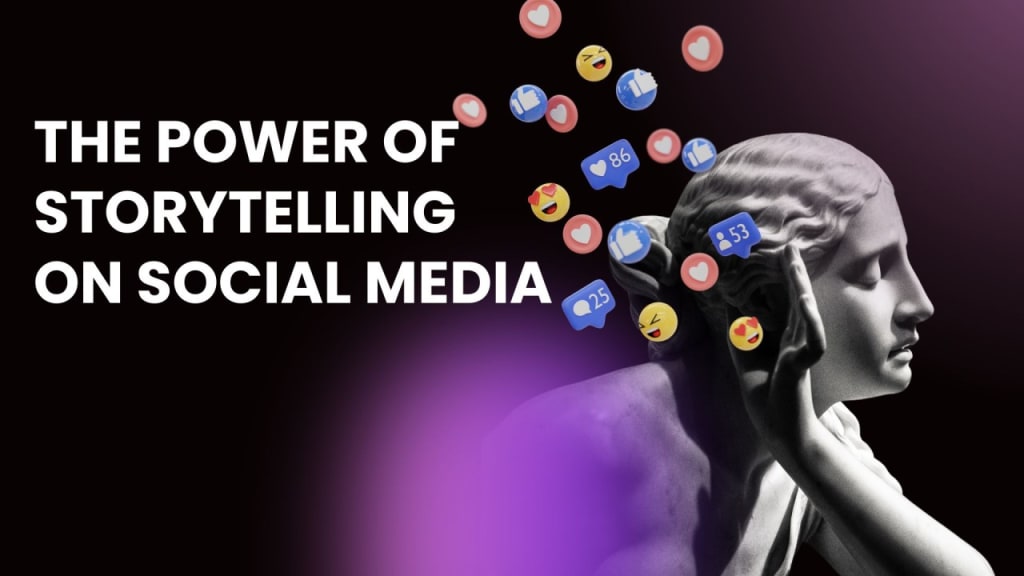
From prehistoric cave paintings to the latest Instagram reels, storytelling has always been an essential mode of human communication. Stories do more than entertain—they preserve memory, transmit values, and construct identities. As we move deeper into the digital age, the nature of storytelling is transforming at a pace previously unimaginable. Yet, its core function remains: to help us make sense of the world.
Today, social media platforms are not just tools of connection but also powerful narrative environments. Digital storytelling—a strategic and artistic use of digital tools to tell stories—has evolved into a critical method of communication, particularly in marketing and cultural discourse. But to fully understand its scope, one must explore its historical, literary, and cultural roots.
The Literary Roots of Narrative: From Oral Traditions to the Novel
Traditional storytelling, whether oral or literary, has long been governed by structure and purpose. In oral cultures, stories preserved collective memory, legitimized social roles, and encoded moral lessons. These narratives often followed cyclical patterns—heroes’ journeys, trials, and resolutions—that mirrored seasonal and communal life.
With the rise of the written word, especially during the Enlightenment and Romantic periods, storytelling expanded its domain. Novels emerged as dominant narrative forms, offering introspection, social commentary, and complex character development. Writers like Charles Dickens, Jane Austen, and Leo Tolstoy built intricate fictional worlds that deeply reflected their societies.
These traditional structures—exposition, conflict, climax, and resolution—continue to inform modern storytelling practices, including those employed in digital marketing and brand communication.
Cultural Theories of Narrative: Meaning-Making and Power Structures
Within cultural studies, narrative is not just a mode of storytelling but a mechanism through which power and identity are negotiated. Roland Barthes famously deconstructed narrative as a system of signs, where meaning is never fixed. Michel Foucault explored how narratives discipline subjects and legitimize authority. Meanwhile, Stuart Hall emphasized the role of encoding and decoding in communication—how audiences interpret messages differently based on context.
These theories are crucial when analyzing how digital storytelling works on social media. The stories we tell—and the ones we believe—are shaped by underlying cultural codes, platform algorithms, and political economies. They are not just creative expressions but sites of ideological struggle.
The Emergence of Digital Media: Shifting Platforms, Shifting Voices
The late 20th century ushered in a radical shift with the rise of digital media. Websites, blogs, and early forums allowed individuals to publish without traditional gatekeepers. The democratization of media production meant that diverse voices could now contribute to the global narrative landscape.
This shift coincided with the decline of the traditional “author” figure. The internet blurred the boundaries between creator and audience. Interactive comment sections, hyperlink structures, and personalized feeds altered the linearity of storytelling, inviting participatory forms that were once inconceivable.
Social Media as the New Narrative Canvas
Platforms such as Instagram, TikTok, YouTube, and X (formerly Twitter) have redefined how stories are told. Instead of long-form narratives, we now engage with micro-stories—short, emotionally charged, visually rich narratives that unfold in seconds. These platforms emphasize immediacy, authenticity, and interaction.
For instance, TikTok videos often follow a three-second hook, a narrative twist, and a relatable resolution. Instagram stories leverage ephemeral content to create ongoing narratives that mimic serialized fiction. This new grammar of storytelling—ephemeral, modular, and emotionally driven—offers marketers and creators novel ways to engage audiences.
Digital Marketing and the Craft of Storytelling
Digital storytelling is at the heart of modern marketing. But it is not storytelling for storytelling’s sake—it is strategic. Brands now use narrative frameworks once reserved for literature and cinema to build emotional resonance with their audiences.
Consider the brand Dove, whose “Real Beauty” campaign reframed beauty standards through intimate, human-centered narratives. Or Nike, whose storytelling often invokes heroic struggle and personal transformation—classic tropes from Joseph Campbell’s monomyth.
In digital marketing, story arcs are designed not only to entertain but also to foster brand loyalty and conversion. Businesses today are investing in storytelling techniques that align with audience values, cultural moments, and social relevance.
If you're looking to master these techniques, Skillwaala’s Digital Marketing Course offers hands-on training in leveraging narrative strategies effectively across digital platforms. It’s not just about selling—it’s about telling stories that connect, convert, and endure.
From Audience to Co-Creators: Interactivity and Participatory Culture
Social media has also transformed the passive audience into active participants. Henry Jenkins’ idea of convergence culture illustrates how fans, users, and communities contribute to storytelling through memes, fan fiction, remixes, and comments.
Brands like Netflix actively engage in participatory storytelling by encouraging fan theories and social media debates, which in turn generate more narrative content. Hashtags like #StrangerThings or #ShareACoke become narrative devices in themselves—vehicles through which communities shape and extend the story.
This participatory element reflects a larger cultural shift: storytelling is no longer linear or top-down. It is dialogic, interactive, and co-constructed.
Authenticity and Identity in Digital Storytelling
In an age saturated with content, authenticity has emerged as the most valuable currency. Audiences today can quickly detect contrived or manipulative narratives. Influencers, personal brands, and even corporations must align their stories with lived realities and values.
Storytelling on platforms like Instagram often involves personal confessionals, behind-the-scenes glimpses, and emotional candor. These narratives are not about perfection but relatability. The aesthetics of “imperfection”—shaky videos, unfiltered images—are now markers of truth and trust.
This trend resonates with postmodernist theories of fragmented identity and plural selves. In digital storytelling, we are constantly curating and narrating versions of ourselves—each contextually shaped by audience, platform, and intention.
Algorithmic Gatekeeping and the Politics of Visibility
While digital storytelling seems democratic, it is not free from power structures. Algorithms determine which stories get seen, shared, or suppressed. This algorithmic gatekeeping introduces a new layer of editorial control—one that is opaque and profit-driven.
For instance, content that aligns with platform metrics—engagement, retention, shareability—is amplified, while dissenting or nuanced narratives may be buried. This creates an attention economy where storytelling success is measured not by depth or truth but by clicks and impressions.
Understanding these dynamics is crucial for ethical digital storytelling. Marketers and creators must balance visibility with integrity, ensuring that their narratives contribute positively to the information ecosystem.
Ethical and Cultural Implications: Whose Stories Get Told?
Digital storytelling also raises critical questions about representation and appropriation. Who has the right to tell which stories? How do we ensure diversity without falling into tokenism?
The digital space often reproduces existing inequalities. Marginalized voices may be celebrated for aesthetic appeal but excluded from structural power. Similarly, narratives from the Global South are frequently co-opted without proper attribution or context.
It is vital to center ethical storytelling practices—crediting sources, amplifying underrepresented voices, and being culturally sensitive in narrative framing. Digital storytelling is not just an art; it’s a responsibility.
Reimagining Narrative Futures: AI, AR, and Immersive Storytelling
Looking forward, emerging technologies are expanding the horizon of storytelling. Artificial Intelligence is now capable of generating scripts, voiceovers, and visual content—raising questions about authorship and originality.
Augmented Reality (AR) and Virtual Reality (VR) are making storytelling immersive, allowing audiences to “enter” the narrative. Projects like The Line or Wolves in the Walls demonstrate how immersive storytelling can evoke empathy and deepen engagement.
These technologies, while exciting, also call for ethical vigilance. As we outsource creativity to machines, we must reflect on the cultural implications of synthetic narratives.
Conclusion: Continuity and Transformation in the Storytelling Tradition
Digital storytelling represents both a rupture and a continuity. While the tools, platforms, and grammars have changed, the fundamental human need for narrative remains intact. We still seek connection, identity, and meaning—only now, our stories unfold in pixels and platforms instead of parchment and paper.
As we navigate this narrative evolution, it's crucial to remain critically aware of the cultural, ethical, and technological forces shaping our digital tales. Whether you're a marketer, creator, or cultural theorist, understanding digital storytelling is essential—not just for professional success, but for cultural literacy in the 21st century.
About the Creator
The Politics of Playing Dress-Up
Well, to start off I'd like to say a happy world book day to all who celebrate. I know I haven't really posted anything on my socials about it but I'm not a jubilant kind of person. I lay low most of the time. Let's start off with a popular anecdote from the vaults...
By Annie Kapur7 days ago in Geeks



Comments (1)
You've covered a lot of ground on storytelling. It's fascinating how it's evolved. I remember reading Dickens as a kid and being drawn into his worlds. How do you think modern digital storytelling can capture that same depth of character and social reflection? And with social media being such a big narrative environment now, how can brands use it to tell stories that resonate without coming across as too forced?