
Everything You Need to Know About the Keto Diet to Start Losing Weight Today
Keto for beginner
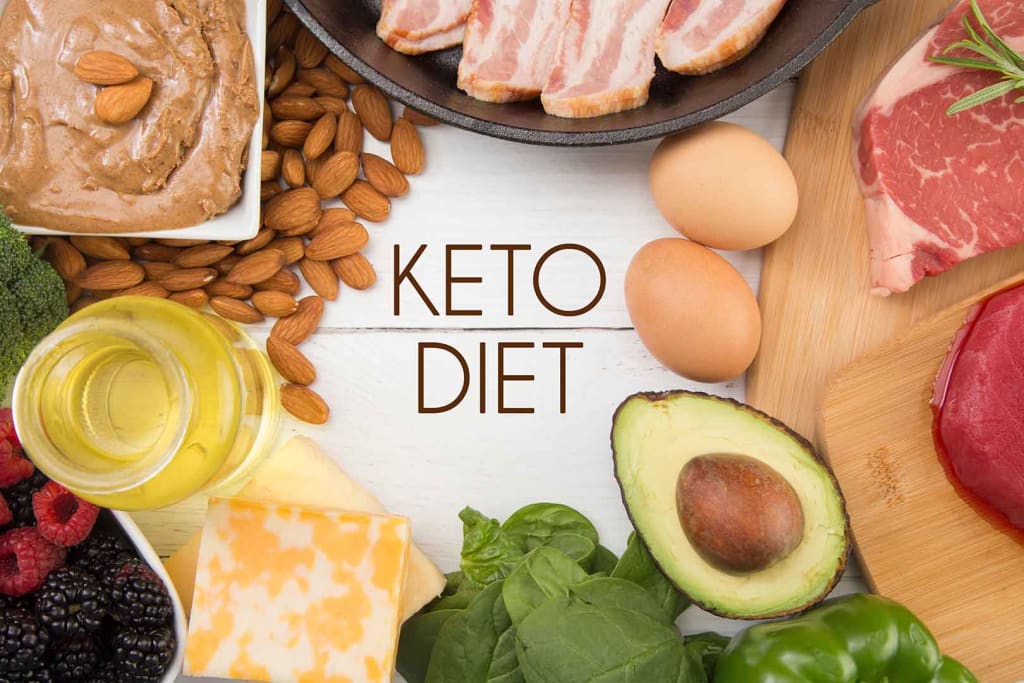
Are you considering starting the keto diet in 2023 to lose weight and improve your health? You’ve come to the right place! The keto diet can be a powerful tool to transform your health and wellbeing, but it can be tricky to know where to start. In this blog post, we’ll cover everything you need to know about the keto diet and provide the best keto tips for beginners. We’ll also tell you what the best keto book for beginners is in 2023 so you can get all the information you need to get started.
What is the keto diet?
The ketogenic diet, commonly known as the keto diet, is a high-fat, low-carbohydrate diet that has been popularized as a weight loss and health improvement method. The goal of the keto diet is to induce a state of ketosis in the body, where it burns fat for energy instead of carbohydrates.
The diet typically involves consuming 70-80% of calories from fat, 10-20% from protein, and only 5-10% from carbohydrates. This means that carbohydrate intake is severely restricted, with most people consuming fewer than 50 grams of carbohydrates per day.
The high fat intake is believed to help the body enter a state of ketosis, where it produces molecules called ketones from fat stores to use for energy. This process can lead to rapid weight loss, as well as improved blood sugar control, lower blood pressure, and other potential health benefits.
However, the keto diet can be difficult to maintain over the long term and can be associated with some risks, such as nutrient deficiencies and an increased risk of heart disease. It's important to consult with a healthcare professional before starting the keto diet, especially if you have any underlying health conditions.
What are the benefits of the keto diet?
The keto diet has been associated with a range of potential health benefits, including:
1. Weight loss: The keto diet is effective for weight loss, especially in the short term. This is because the body burns fat for energy in the state of ketosis.
2. Improved blood sugar control: The keto diet can help regulate blood sugar levels by reducing carbohydrate intake, which can help reduce insulin resistance and improve glucose control.
3. Reduced inflammation: The keto diet may help reduce inflammation in the body, which can have a range of health benefits, including reducing the risk of chronic diseases like heart disease and cancer.
4. Improved cognitive function: Some studies suggest that the keto diet may help improve cognitive function, memory, and focus, especially in people with neurological conditions like epilepsy.
5. Lowered blood pressure: The keto diet may help lower blood pressure, which can reduce the risk of heart disease and stroke.
However, it's important to note that more research is needed to fully understand the potential benefits of the keto diet, and the diet may not be appropriate or effective for everyone. It's important to consult with a healthcare professional before starting the keto diet, especially if you have any underlying health conditions.
How do I start the keto diet?
Before starting the keto diet, it's important to consult with a healthcare professional, especially if you have any underlying health conditions. Once you've received clearance to start the diet, here are some steps to get started:
1. Calculate your macronutrient ratios: The keto diet typically involves consuming 70-80% of calories from fat, 10-20% from protein, and only 5-10% from carbohydrates. Use an online calculator or work with a dietitian to determine your specific macronutrient needs based on your age, gender, weight, and activity level.
2. Plan your meals: Plan your meals in advance to ensure that you are getting enough fat and protein and limiting your carbohydrate intake. Include healthy fats like avocado, nuts, and seeds, and focus on protein sources like meat, fish, and eggs.
3. Stock up on keto-friendly foods: Stock up on keto-friendly foods like meat, fish, low-carb vegetables, and healthy fats like coconut oil, olive oil, and avocados.
4. Track your food intake: Use a food diary or a mobile app to track your food intake and ensure that you're staying within your daily macronutrient goals.
5. Be patient: It can take several days to a few weeks for your body to enter ketosis, so be patient and stick to the diet. Some people experience symptoms like fatigue, headache, and irritability during the initial phase of the diet, but these typically resolve within a few days.
6.Consider working with a dietitian: Working with a registered dietitian who specializes in the keto diet can be helpful to ensure that you are meeting your nutritional needs and staying healthy while on the diet.
What can I eat on the keto diet?
The keto diet involves consuming high amounts of healthy fats, moderate amounts of protein, and very low amounts of carbohydrates. Here are some foods that are typically included in a keto diet:
1. Healthy fats: avocado, nuts and seeds, olive oil, coconut oil, butter, and cheese.
2. Protein: Meat, fish, poultry, eggs, and tofu.
3. Low-carb vegetables: leafy greens, broccoli, cauliflower, asparagus, zucchini, peppers, and mushrooms.
4. Dairy: cheese, heavy cream, and unsweetened yogurt.
5. Berries: raspberries and blackberries in limited amounts.
6. Beverages: Water, coffee, and tea are keto-friendly, and you can add a small amount of heavy cream or almond milk if desired.
What are the keto diet pitfalls?
While the ketogenic diet can be an effective way to lose weight and improve certain health markers, there are several pitfalls to be aware of. Here are some of the most common keto diet pitfalls:
1. Nutrient deficiencies: Since the keto diet is low in carbohydrates, it can be difficult to get enough vitamins and minerals from food alone. This is especially true for vitamins like vitamin C, which are typically found in high-carb foods like fruits and vegetables.
2. Keto flu: Many people experience flu-like symptoms during the first few days or weeks of starting a ketogenic diet. This is often referred to as the "keto flu" and is caused by the body adapting to the low-carb, high-fat diet.
3. Increased cholesterol levels: Some studies have shown that the keto diet may lead to increases in LDL cholesterol levels, which can increase the risk of heart disease.
4. Decreased athletic performance: Since carbohydrates are the body's preferred source of energy during exercise, athletes may experience decreased performance on a ketogenic diet.
5. Difficulty maintaining the diet: The ketogenic diet can be difficult to maintain long-term, as it requires strict adherence to a very low-carb, high-fat diet.
6. Increased risk of nutrient-poor food choices: Some people on the keto diet may rely too heavily on processed and packaged foods that are high in fat and low in nutrients.
7. Social limitations: The strict guidelines of the ketogenic diet can make it difficult to eat out or enjoy meals with friends and family who may not follow the same dietary restrictions.
How do I know if the keto diet is working for me?
The effectiveness of the keto diet can be evaluated in different ways depending on your goals and individual circumstances. Here are some signs that the keto diet may be working for you:
1. Weight loss: The keto diet is often used for weight loss, and if you are losing weight at a healthy and sustainable rate, this can be a good sign that the diet is working for you.
2. Improved blood sugar control: The keto diet can help to improve insulin sensitivity and blood sugar control, which can be beneficial for people with type 2 diabetes or insulin resistance.
3. Increased energy and mental clarity: Some people report feeling more energetic and mentally clear on the keto diet, which can be a sign that it is working for them.
4. Reduced appetite and cravings: The high fat and protein content of the keto diet can help to keep you feeling full and satisfied, which can reduce cravings and help you stick to the diet.
5. Improved health markers: The keto diet may improve certain health markers such as triglycerides, HDL cholesterol, and blood pressure, which can be indicators that the diet is working for you. It is important to note that the effectiveness of the keto diet can vary depending on individual factors such as age, sex, activity level, and underlying health conditions. It is always a good idea to consult with a healthcare professional before starting a new diet to determine if it is appropriate for your specific needs and goals.
buy keto books for beginners by clicking the following link : https://www.digistore24.com/redir/403387/MociOci/
About the Creator
What Is a Single Disc Machine and How It Is Used in Professional Floor Cleaning
Professional floor cleaning is not about mopping harder. It is about using the right machine for the right surface. One of the most reliable tools in commercial cleaning is the Single Disc Machine. If you do not understand this machine, you are already behind.
By Devansh Mauryaa day ago in Education
The Role of Helicopters in Solving Island Nation Transportation Challenges
Island nations exist in environments where geography dictates mobility rather than convenience. Water divides communities, terrain restricts roads, and distance behaves differently than it does on large continental landmasses. As Glenn Allyn explains, drawing on aviation efficiency principles associated with White Plains, New York, helicopters offer a transportation model that aligns with these realities by eliminating dependence on continuous land routes, fixed maritime schedules, and runway-based infrastructure. Their ability to operate freely above land and sea reshapes how island nations move people, deliver services, and sustain economic activity across fragmented territories.
By Glenn Allyn6 days ago in Education
Mismatch Challenge Winners
Blending genres isn’t about stacking elements side by side. It’s about what happens when two sets of expectations refuse to cooperate. The strongest entries in the Mismatch Challenge understood that tension and leaned into it. Rather than smoothing the edges, these stories let their chosen genres complicate one another, creating friction that carried through voice, structure, and consequence.
By Vocal Curation Teamabout 15 hours ago in Resources




Comments
There are no comments for this story
Be the first to respond and start the conversation.