
Everest Base Camp Trek's Economic Impact
Showcasing Everest Base Camp Trek's Economic Impact and Advocating for Preservation and Facilities
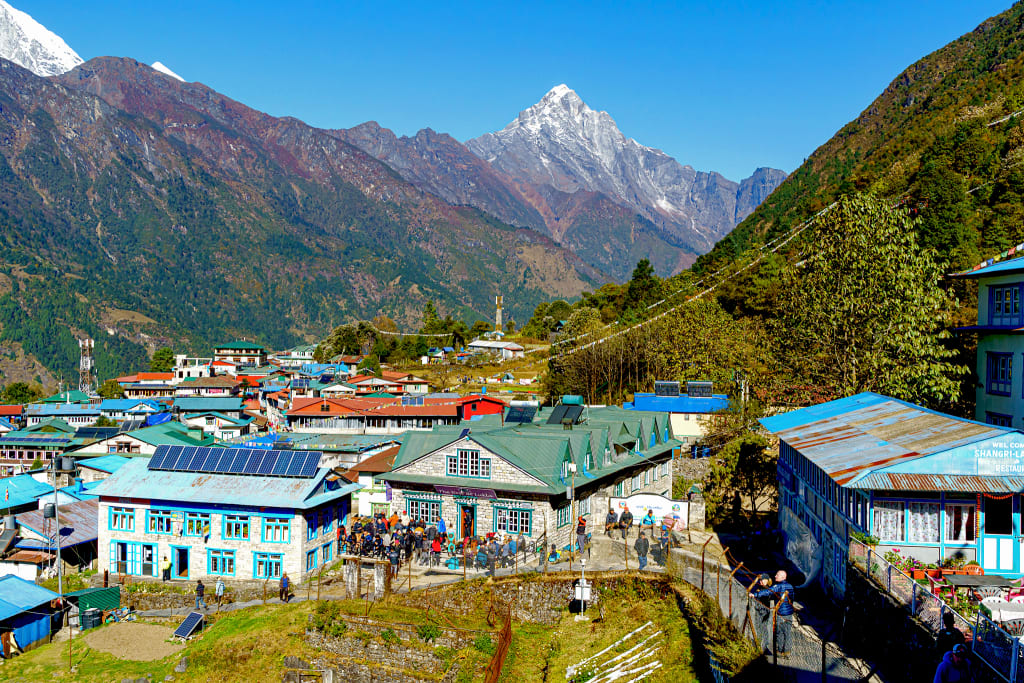
The Everest Base Camp Trek is one of Nepal's most renowned adventure tourism activities, attracting thousands of trekkers from around the globe each year. Apart from offering an unparalleled experience in terms of natural beauty and adventure, this trek has become a vital economic driver for our country. Through this article, we aim to explore and showcase the substantial economic boost that the Everest Base Camp Trek provides.
Economic Impact: We will delve into the various ways in which the Everest Base Camp Trek stimulates the local economy. This will include examining the direct revenue generated from permits, accommodation, and guide services, as well as the indirect benefits seen in the hospitality, transportation, and retail sectors. We will also highlight the positive impact on employment opportunities for local communities.
Income Distribution: In this section, we will emphasize the importance of equitable income distribution resulting from the Everest Base Camp Trek. We will highlight the positive influence it has on the livelihoods of individuals residing in the Everest region, including porters, guides, tea house owners, and other local businesses. Additionally, we will explore the trickle-down effect that the trek's economic benefits have on surrounding areas and the overall improvement in the standard of living.
Sustainable Development: While showcasing the economic significance, we will also stress the need for sustainable development and responsible tourism practices in the Everest region. We believe it is crucial to strike a balance between economic gains and environmental preservation. The article will discuss the importance of adopting measures to minimize the ecological impact of the trek and ensure the long-term sustainability of this natural marvel.
Advocating Preservation and Facilities: In the final section, we will make a compelling case for the government's active involvement in preserving the Everest Base Camp Trek and providing necessary facilities. We will highlight the urgency of investing in infrastructure development, waste management systems, and rescue services to enhance the overall trekking experience. By prioritizing these initiatives, we can ensure the sustainability and long-term success of the Everest Base Camp Trek.
One of the significant economic benefits of trekking in Nepal is the creation of jobs. Trekking routes require guides, porters, cooks, and other support staff, providing employment opportunities for local communities. These jobs help alleviate poverty and improve the standard of living for many individuals and their families. Moreover, the demand for supplies and services along the trekking trails, such as accommodations, food, equipment rental, and transportation, has created additional employment opportunities in various sectors.
Conclusion
The influx of tourists for trekking has also stimulated the growth of the tourism industry in Nepal. Trekking serves as a primary attraction for many tourists visiting the country, leading to an increase in overall tourist arrivals. The revenue generated from trekking permits, accommodations, meals, and other related services has contributed significantly to the country's economy. The tourism industry has witnessed growth in infrastructure development, including the establishment of lodges, teahouses, and other facilities along popular trekking routes, catering to the needs of trekkers.
Sustainable and responsible trekking practices are crucial to ensuring the long-term benefits of trekking in Nepal. Environmental conservation measures, waste management systems, and responsible tourism practices must be implemented to preserve the natural beauty and ecological balance of the trekking areas. Local communities should also be actively involved in decision-making processes and benefit-sharing mechanisms to ensure that they have a stake in the tourism industry's success.
We believe that this article will not only showcase Nepal's natural beauty and adventure potential but also emphasize the economic significance of the Everest Base Camp Trek. By promoting preservation and necessary facilities, we can contribute to the long-term sustainability of this iconic trek, safeguarding its economic benefits for future generations.
Thank you for your time.
Warm regards,
Avisek Jung Thakuri Singh
Board of Director
About the Creator
Keep reading
More stories from Avisek Jung Thakuri Singh and writers in Education and other communities.
Voices of Guides and Porters
Guides and porters play a crucial role in assisting trekkers and ensuring their safety and success during a trekking expedition. While it is true that they often do not receive as much recognition or praise as the trekkers themselves, there are several reasons why this might be the case:
By Avisek Jung Thakuri Singh3 years ago in Education
A Letter to the Firestarter
Dear Firestarter, We can all see you, we've been watching you since you began. In case you didn't know we were here before you and we will be here after. We witnessed your rise, your setbacks, your guilt and your lies. We witnessed you start the fire.
By Donny Foleya day ago in Poets


Comments
There are no comments for this story
Be the first to respond and start the conversation.