
Estate Planning And Probate Why You Need Both?
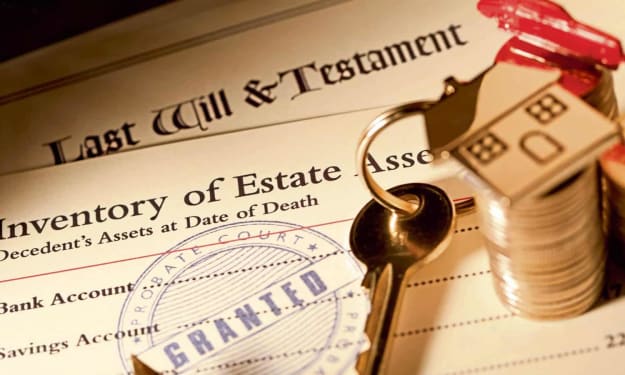
Estate planning is the process of arranging your assets and financial affairs. So that, they are distributed according to your wishes after you pass away.


Estate planning and probate are two terms that are very often used simultaneously, but they are not the same thing and have different meanings.
Estate planning is the process of arranging your assets and financial affairs. So that, they are distributed according to your wishes after you pass away. On the other hand, probate is the legal process by which your assets are transferred to your beneficiaries after you pass away.
Estate planning and probate are both important. You need both to ensure that your assets are distributed as per your wishes. Estate planning has different elements, it includes creating a will, setting up a trust, and specifying beneficiaries.
A will is a legal document with details about how you want your assets to be distributed after you pass away. It can also have instructions for how your funeral should be conducted and who should be appointed as your executor.
A trust is another estate planning instrument that can help you protect your assets and ensure they are distributed according to your wishes. A trust is a legal entity that holds your assets. It is managed by a trustee.
Trusts can be used to protect assets from creditors, minimize estate taxes, and provide for beneficiaries who may need assistance managing their finances.
Naming Beneficiaries Is Another Very Important Aspect Of Estate Planning
Beneficiaries are the persons or organizations that you want to receive your assets after you pass away. You can name beneficiaries for your bank accounts, retirement accounts, and life insurance policies.
It is very important to keep your beneficiary designations up to date as these assets will pass directly to your beneficiaries outside of the probate process.
Probate is the legal process by which your assets are transferred to your beneficiaries after you pass away. During probate, a court will review your will and find out if it is valid.
The court will also appoint an executor to manage your estate, pay any debts, and distribute your assets to your beneficiaries. If you die without a will, your assets will be distributed according to the laws of your state.
Probate can be a time taking and expensive process. It can tie up your assets for months or even years. Probate can also be a public process.
It means that your estate and its value will become a matter of public record. To avoid probate, some people choose to establish trusts or use other estate planning instruments.
So, why does one need both estate planning and probate? The answer is simple. Estate planning allows you to determine how your assets will be distributed after you pass away.
While probate ensures that your wishes are carried out. By creating a will, setting up a trust, and naming beneficiaries, you can ensure that your assets are distributed as per your wishes.
Probate help ensures that your wishes are carried out and that your assets are distributed to your beneficiaries smoothly and in a timely manner. Estate planning and probate can also help you minimize taxes. It helps you protect your assets from creditors.
By setting up trusts and other estate planning instruments, you can minimize your estate tax liability and protect your assets from lawsuits and creditors.
Probate can also help protect your assets by ensuring that your debts are paid. Your assets are distributed to your beneficiaries in a fair and equitable manner.
Another reason why you need both estate planning and probate is to ensure that your family is taken care of after your death. By creating a will and establishing trusts, you can ensure that your assets are distributed to your family members in a way that meets their needs.
Probate can also help provide for your family by ensuring that your debts are paid and that your assets are distributed to your beneficiaries in a timely manner.
Conclusion
Estate planning and probate are both important aspects of managing your assets and financial affairs. Estate planning allows you to determine how your assets will be distributed after your death, while probate ensures that your wishes are carried out.
By creating a will, establishing a trust, and naming beneficiaries, you can ensure that your assets are distributed according to your wishes and that your family is taken care of.
Probate can help protect your assets and ensure that your debts are paid, while also providing a fair and equitable distribution of your assets to your beneficiaries. It is important to work with an experienced estate planning attorney to ensure that your estate plan is comprehensive and effective.
Your attorney can help you create a will, establish trusts, and name beneficiaries, as well as advise you on other estate planning tools that may be appropriate for your situation. Your attorney can also guide your executor through the probate process and help ensure that your wishes are carried out.
In summary, estate planning, and probate are both important parts of managing your assets and ensuring that your wishes are carried out after your death.
By creating a comprehensive estate plan and working with an experienced attorney, you can minimize taxes, protect your assets, and provide for your family.
Probate ensures that your wishes are carried out and that your assets are distributed in a timely and fair manner. So, if you haven’t already, start planning your estate today to protect your assets and provide for your loved ones.
About The Author
Smith Clea is a USA-based author on Legal issues related to estate planning, will and trust business law, and elder law. Smith Clea does her best writing on these topics that help users to find the best solutions to their FAQ on estate planning, probate laws, probate process, will attorney, living will, contesting a will, and more about legal family issues. The author can be reached at https://rochesterlawcenter.com
About the Creator
Keep reading
More stories from Clea Smith and writers in Education and other communities.
What Real Residents Reveal About Co-Living in New York City
Finding housing in New York City can be overwhelming, especially for students, interns, and professionals moving from different parts of the world. While listings and pricing matter, real-life experiences often give the clearest picture of what living in a shared space is actually like. Looking at resident reviews can help uncover what truly makes a co-living experience successful—or challenging.
By Ausfab Groupabout 23 hours ago in Education
Top 10 Essential Skills for Success in 2026
By 2026, the job market is no longer driven only by degrees or titles. Technology, especially Artificial Intelligence (AI), automation, and remote work, has changed how companies operate and how people work. Many routine tasks are now handled by machines, while humans are expected to do work that requires thinking, judgment, creativity, and emotional understanding. This shift means that skills — not just education — determine success. The following 10 skills are considered essential for 2026 because they combine technology awareness with human intelligence. Let’s understand them one by one, step by step.
By Talha khan7 days ago in Education


Comments
There are no comments for this story
Be the first to respond and start the conversation.