
Essential Tips and Tricks: Ways to Improve Gut Health Today
Ways to Improve Gut Health

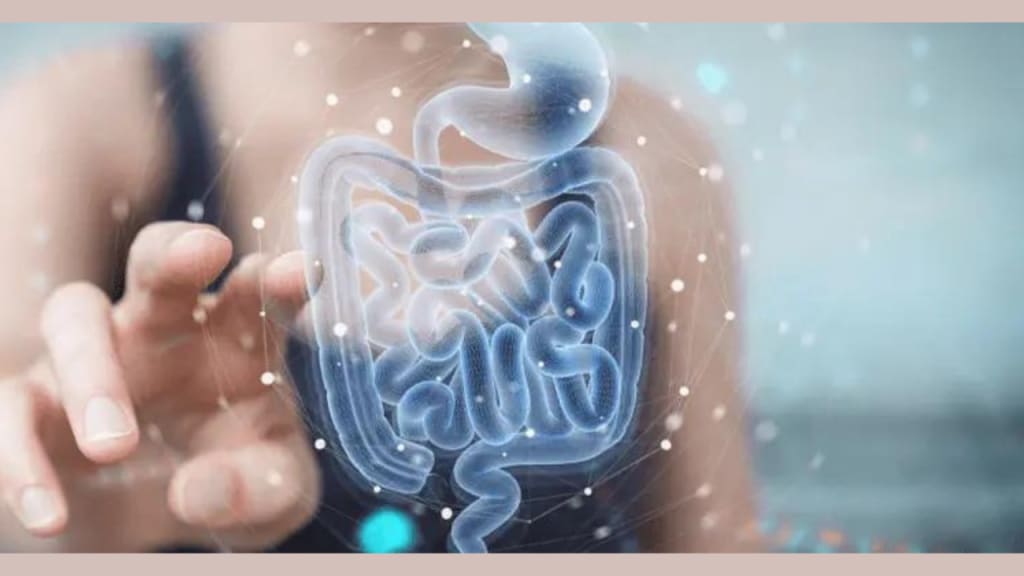
Gut health is increasingly recognized as a cornerstone of overall well-being. The gut, often referred to as the "second brain," plays a pivotal role in not just digestion but also in immune function, mood regulation, and even skin health. Here, we’ll explore strategies you can adopt to enhance your gut health and optimize your entire body's functioning.
1. Incorporate Probiotics
Probiotics are live microorganisms that offer health benefits when consumed. They help balance the gut microbiota, which is essential for good digestion. Foods rich in probiotics include:
Yogurt: Especially varieties with live or active cultures.
Kefir: A fermented dairy product that contains a diverse range of probiotics.
Sauerkraut: Fermented cabbage that’s rich in probiotics and nutrients.
Kimchi: A spicy Korean fermented vegetable dish that’s loaded with beneficial bacteria.
Miso: A fermented soybean paste that’s often used in Japanese cuisine.
Consider adding these foods into your diet regularly for a probiotic boost.
2. Consume Prebiotics
Prebiotics are types of dietary fiber that feed the beneficial bacteria in your gut. Including prebiotic-rich foods can help nourish these microorganisms. Some excellent sources of prebiotics are:
Garlic: Contains inulin, which promotes the growth of beneficial bacteria.
Onions: Another good source of inulin, it also adds flavor to meals.
Bananas: Particularly when slightly green, they provide beneficial fibers.
Asparagus: A great cooking option that offers fiber and vitamins.
Leeks: Related to onions and garlic, they are excellent for gut health.
Incorporating a variety of these foods into your diet can support the growth of a healthy microbiome.
3. Increase Dietary Fiber
Dietary fiber is critical for promoting regular bowel movements and feeding beneficial gut bacteria. Aim to consume a wide range of fiber sources, including:
Fruits: Such as berries, apples, and pears.
Vegetables: Such as broccoli, carrots, and sweet potatoes.
Whole Grains: Include oats, quinoa, and brown rice.
-Legumes Beans: , lentils, and chickpeas are excellent sources.
A fiber-rich diet can prevent constipation and promote a healthy gut lining.
4. Stay Hydrated
Water is essential for digestion and nutrient absorption. It helps dissolve nutrients so that they can be absorbed into your bloodstream. It’s also important for the mucosal lining of the intestines. Make sure to drink adequate amounts of water throughout the day, aiming for at least 8 cups or 2 liters, depending on your level of activity and climate.
5.Limit Processed Foods
Processed foods often contain high levels of sugar, unhealthy fats, and additives that may disrupt gut flora. Try to minimize your intake of:
Sugary Snacks: Cakes, candies, and sugary drinks can disturb gut balance.
-Refined Carbohydrates: White bread and pastries can lead to digestive issues.
Trans Fats: Often found in fried foods and some packaged snacks.
Focusing on whole, unprocessed foods can significantly benefit gut health.
6. Practice Mindful Eating
How you eat can be just as important as what you eat. Mindful eating involves paying attention to the experience of eating and being aware of hunger and fullness cues. Consider these tips:
Eat Slowly: Take time to chew your food thoroughly, enhancing digestion.
Eliminate Distractions: Turn off screens and focus solely on your meal.
Listen to Your Body: Stop eating when you’re full to avoid overloading your digestive system.
Mindful eating can reduce digestive discomfort and improve your relationship with food.
7. Manage Stress
Chronic stress can wreak havoc on your gut health, leading to issues such as IBS (Irritable Bowel Syndrome) and changes in gut flora. Here are some ways to manage stress:
Meditation and Mindfulness: Practices like yoga and meditation can promote relaxation.
Breathing Exercises: Deep, controlled breathing can help activate the body’s relaxation response.
Physical Activity: Regular exercise can boost mood and reduce stress levels.
Incorporating these practices into your routine can improve both mental and gut health.
8. Get Quality Sleep
Adequate sleep is critical for overall health, including gut health. Poor sleep can disrupt the balance of gut bacteria and affect digestion. Aim for 7-9 hours of quality sleep each night. Establish a bedtime routine that promotes relaxation:
Limit Screen Time: Avoid electronics for at least an hour before bed.
Create a Sleep-Conducive Environment: Keep your bedroom cool, dark, and quiet.
Stick to a Schedule: Go to bed and wake up at the same time every day.
Prioritizing sleep can enhance your body’s repair processes, including those in the gut.
9. Exercise Regularly
Physical activity plays an important role in maintaining gut health. Regular exercise can aid digestion, reduce stress, and promote a healthy microbiome. Aim for a minimum of:
150 minutes of moderate aerobic activity (like brisk walking) each week.
Strength-training exercises on two or more days a week.
Find an activity you enjoy and make it a part of your routine.
10. Consult with a Healthcare Provide
If you’re experiencing persistent gut issues, consider consulting with a healthcare professional. They can help identify underlying issues, recommend tests if necessary, and create a personalized plan to improve your gut health based on your individual needs.
11. Use natural formula
I recommend you use Digest Sync
DigestSync is a specialized formula designed to support the vagus nerve, essential for managing the movement of food from the stomach to the intestines. Our formula supports a healthy inflammatory response, along with the normal functioning of the vagus nerve.
Click here to know more about this formula
Conclusion
Improving gut health is a multifaceted approach that involves dietary choices, lifestyle modifications, and self-care practices. By incorporating probiotics, prebiotics, and fiber into your diet, managing stress, and ensuring adequate sleep and exercise, you can foster a flourishing gut environment. As you implement these strategies, remember that the journey to better gut health is a gradual process, and small, consistent changes can lead to significant improvements over time. Prioritize your gut health, and it may just lead to a happier, healthier you.
About the Creator
Keep reading
More stories from Harry harry and writers in Education and other communities.
Say Goodbye to Gum Problems: Natural Solutions for Healthy Gums
Improving gum health naturally is an essential element of overall oral health. strong and healthful gums assist to support your tooth, protect them from decay, and save you various gum diseases which includes gingivitis and periodontitis. taking care of your gums also can contribute to your overall well being, as studies have shown a connection between gum health and systemic conditions like heart disease and diabetes.
By Harry harry2 years ago in Education
Why Creative Thinking is the Catalyst for Higher Productivity
In many professional settings, creativity and productivity are often seen as separate, even conflicting, concepts. Productivity is typically associated with structure, deadlines, and measurable output, while creativity is considered unstructured, unpredictable, and harder to quantify. But this outdated thinking overlooks a critical truth: a creative mindset is a powerful driver of productivity.
By Norman Badger5 days ago in Education
📢 Raise Your Voice Thread: 01/22/2026
Our “Raise Your Voice Threads” are hosted most alternating Thursdays at 12PM ET to offer creators more avenues to uncover exceptional stories on Vocal. As we are continuously searching for fresh creators and inspiring stories, this thread provides an opportunity to exchange and discuss the stories that have moved and motivated us on Vocal.
By Raise Your Voice by Vocal4 days ago in Resources



Comments (1)
You did a nice analysis and brought a nice reading experience to the audience. Well done.