
Essential tips and tools for Every Phlebotomist
Discover essential phlebotomy equipment and proven techniques for successful blood draws. Expert tips for career advancement.
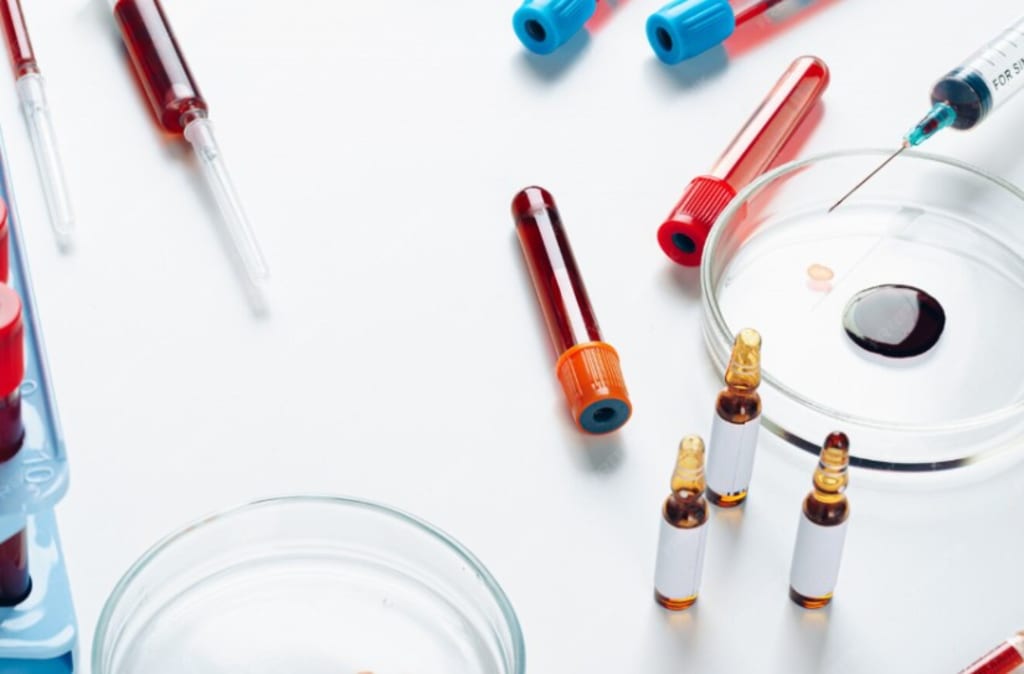
Phlebotomy represents one of healthcare's most crucial yet underappreciated skills. Whether you're drawing blood for routine tests, emergency diagnostics, or blood donations, having the right equipment and techniques makes the difference between a smooth procedure and a challenging experience. This comprehensive guide reveals the essential tools every phlebotomist needs and shares proven tips that separate competent practitioners from exceptional ones.
The art of venipuncture extends far beyond simply inserting a needle into a vein. Success depends on proper preparation, quality equipment, and refined techniques developed through practice and continuous learning. Let's explore the fundamental components that form the foundation of professional phlebotomy practice.
Core Phlebotomy Equipment
Needles and Collection Systems
Your needle selection directly impacts patient comfort and sample quality. Stock multiple gauges to accommodate different patient needs:
21-gauge needles work best for standard adult blood draws with good vein access. They provide optimal flow rates whilst minimising patient discomfort.
23-gauge needles suit patients with smaller or fragile veins, including elderly patients or those with compromised circulation. Though the collection takes longer, these needles reduce the risk of vein damage.
25-gauge butterfly needles excel for difficult draws, paediatric patients, or when precise control is essential. The flexible tubing and smaller gauge make them ideal for challenging venipuncture situations.
Vacuum collection systems streamline the process whilst maintaining sample integrity. Ensure you understand the colour-coded tube system thoroughly, as incorrect tube selection can invalidate test results and require patient recalls.
Tourniquets and Application Tools
A quality tourniquet is indispensable for proper vein visualisation. Latex-free options prevent allergic reactions whilst providing consistent pressure. Some phlebotomists prefer adjustable tourniquets that maintain even pressure without over-tightening.
Replace tourniquets regularly as they lose elasticity over time, compromising their effectiveness. Single-use disposable tourniquets eliminate cross-contamination risks in high-volume settings.
Safety and Antiseptic Supplies
Alcohol prep pads remain the standard for site preparation, but some facilities use chlorhexidine-based solutions for enhanced antimicrobial activity. Always allow antiseptics to air-dry completely before needle insertion to prevent stinging and ensure maximum effectiveness.
Gauze pads and adhesive bandages complete the post-procedure care kit. Stock various sizes to accommodate different patient needs and bleeding patterns.
Advanced Equipment for Professional Practice
Vein Visualisation Technology
Modern phlebotomy increasingly incorporates technological aids that improve success rates, particularly with difficult patients. Vein finders use infrared light to illuminate subcutaneous veins, revealing optimal puncture sites that aren't visible to the naked eye.
Whilst these devices represent significant investments, they pay dividends in reduced patient discomfort, fewer failed attempts, and improved job satisfaction. Many experienced phlebotomists report that these tools transform their approach to challenging draws.
Specimen Processing Equipment
Proper sample handling begins immediately after collection. Tube mixers ensure adequate anticoagulant distribution without causing haemolysis. Centrifuges separate serum and plasma components when immediate processing is required.
Label printers produce clear, accurate specimen identification that prevents mix-ups and ensures proper patient care. Invest in systems that integrate with your facility's electronic health records for seamless documentation.
Professional Development and Training Considerations
Choosing Quality Education Programs
Excellence in phlebotomy starts with comprehensive training that covers both theoretical knowledge and hands-on practice. Many aspiring phlebotomists search for paid phlebotomy training near me to launch their healthcare careers with a proper foundation skills.
Quality training programmes combine classroom instruction with supervised clinical experience. Look for courses that provide extensive venipuncture practice on diverse patient populations, as this exposure builds confidence and competence that textbook learning alone cannot provide.
Continuing Education Opportunities
Healthcare evolves rapidly, making ongoing education essential for career advancement. Professional organisations offer workshops, seminars, and certification programmes that keep your skills current whilst expanding your knowledge base.
Many employers provide tuition assistance for staff seeking additional qualifications. Take advantage of these opportunities to distinguish yourself professionally whilst improving patient care capabilities.
Technical Tips for Phlebotomy Excellence
Vein Selection Strategies
Successful blood draws begin with proper vein selection. The antecubital fossa typically offers the most accessible options, but don't default to the first vein you see. Palpate carefully to assess vein size, depth, and resilience.
Avoid veins that feel hard, cordlike, or bounce when palpated, as these characteristics suggest sclerosis or thrombosis. Rolling veins require careful stabilisation during needle insertion to prevent them from moving away from your approach.
Needle Insertion Techniques
Angle matters significantly in phlebotomy success. Most practitioners find 15-30 degrees optimal for standard venipuncture, but adjust based on vein depth and patient anatomy. Deeper veins may require steeper angles, whilst superficial veins need shallower approaches.
Insert needles bevel-up in one smooth, confident motion. Hesitant or tentative insertions often result in incomplete penetration or vein damage. Listen for the subtle "pop" that indicates successful vein entry, then advance slightly to ensure the needle remains within the vein lumen.
Managing Difficult Draws
Every phlebotomist encounters challenging patients requiring modified approaches. For patients with rolling veins, use your non-dominant hand to anchor the vein both above and below the intended puncture site.
Heat application can dilate veins in patients with poor circulation, making them more accessible. Warm compresses applied for 3-5 minutes before tourniquet application often reveal previously invisible veins.
When dealing with anxious patients, your demeanour matters as much as your technique. Calm, confident communication reduces patient anxiety whilst improving cooperation.
Workplace Efficiency and Organisation
Setting Up Your Workspace
Organisation streamlines workflows whilst reducing errors. Arrange supplies logically, with frequently used items within easy reach. Group related supplies together and maintain consistent placement to develop muscle memory.
Clean workstations between patients according to infection control protocols. This practice protects both patients and staff whilst maintaining professional standards that build patient confidence.
Time Management Strategies
Efficient phlebotomists develop routines that maximise productivity without compromising quality. Prepare all supplies before beginning each draw, check patient identification thoroughly, and complete documentation immediately after specimen collection.
Batch similar tasks when possible. Processing multiple specimens simultaneously saves time whilst reducing the chance of mix-ups or labelling errors.
Career Advancement Opportunities
Specialisation Paths
Phlebotomy offers numerous specialisation opportunities for motivated professionals. Paediatric phlebotomy requires additional training but commands higher salaries due to the specialised skills involved.
Blood banking and apheresis procedures represent advanced practice areas that often involve paid phlebotomy training programs specifically designed for career advancement. These specialisations typically offer increased responsibilities and compensation.
Leadership Development
Experienced phlebotomists often transition into supervisory roles, training coordination, or quality assurance positions. These career paths leverage clinical experience whilst adding management responsibilities.
Some professionals establish mobile phlebotomy services, bringing blood collection directly to patients' homes or workplaces. This entrepreneurial path combines clinical skills with business development opportunities.
Quality Assurance and Best Practices
Maintaining Professional Standards
Excellence requires consistent adherence to established protocols and continuous self-evaluation. Document any unusual circumstances or patient reactions thoroughly to maintain quality records and identify improvement opportunities.
Participate in proficiency testing programmes that validate your technical skills and knowledge. These assessments provide objective feedback whilst ensuring you meet industry standards.
Patient Safety Priorities
Patient safety remains paramount in every procedure. Verify patient identity using at least two unique identifiers before beginning any blood draw. This simple step prevents specimen mix-ups that could lead to serious medical errors.
Follow universal precautions consistently, treating every patient encounter as potentially infectious. Proper personal protective equipment usage protects both you and your patients from healthcare-associated infections.
Conclusion
Excellence in phlebotomy emerges from combining quality equipment with refined techniques and a genuine commitment to patient care. The tools and tips outlined here provide the foundation for professional success, but remember that expertise develops through consistent practice and continuous learning.
Invest in quality equipment that enhances both patient comfort and procedural success. Maintain your skills through ongoing education and stay current with evolving best practices. Most importantly, never lose sight of the human element in healthcare. Your technical expertise matters, but your compassion and professionalism make the lasting difference in patient experiences.
About the Creator
China’s Belt and Road Expansion in Africa and Latin America 2026: Global Influence and Economic Implications
1. Overview of the Belt and Road Initiative in 2026 The Belt and Road Initiative is now active in over 140 countries, with major projects spanning infrastructure, energy, transportation, and digital networks. In 2026, China has intensified its focus on two critical regions outside Asia:
By shahkar jalal3 days ago in Education




Comments
There are no comments for this story
Be the first to respond and start the conversation.