
Engaged Parents Raise Thriving Students: How Active Involvement Boosts Academic Success
The role of parents in their children’s academic journey goes beyond providing basic needs. Studies show that when parents actively engage in their children’s education, students thrive academically and socially. Engaged parenting is a powerful factor that promotes motivation, resilience, and a passion for learning in children. This article delves into the significance of active parental involvement and provides insights into how parents can make a positive impact on their child’s academic success.

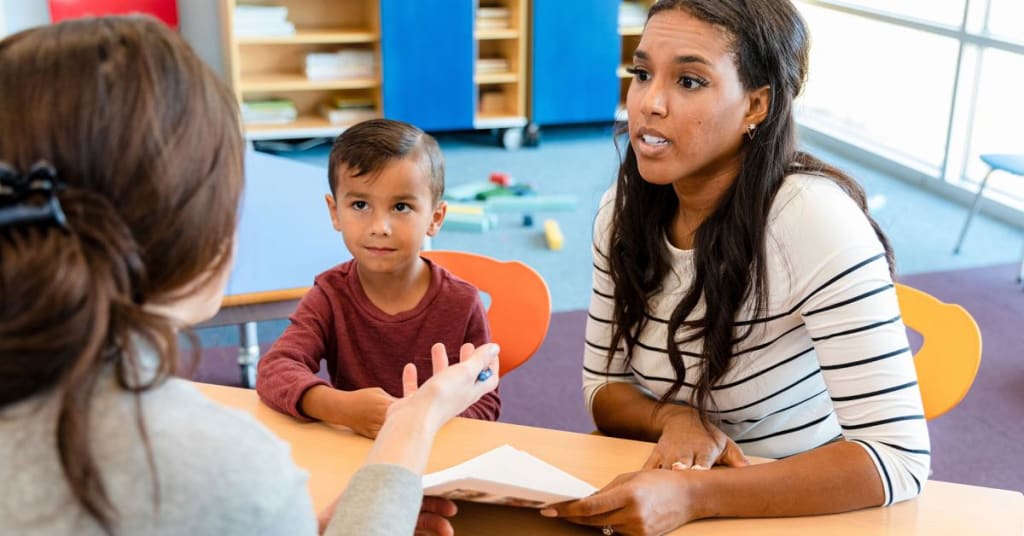
The Importance of Parental Engagement
Parental involvement in education is not limited to attending parent-teacher conferences or helping with homework. It is a continuous process that involves being aware of a child’s academic progress, fostering a love of learning, and providing the support and resources they need to succeed. Studies consistently indicate that students with engaged parents tend to perform better academically, showing higher grades, better attendance, and improved social skills.
Active parental engagement positively impacts a child’s academic journey by:
Improving Academic Performance: When parents show interest in their child’s education, it creates a learning-centered environment at home. Children are more likely to prioritize their studies, work hard, and stay committed to their goals.
Boosting Confidence and Motivation: Children who know their parents value their education tend to develop self-confidence and motivation. Parental encouragement assures them that they can tackle challenges and succeed.
Enhancing Behavioral Development: Actively involved parents often reinforce positive behaviors and values, helping children develop social skills, manage emotions, and establish healthy relationships with peers and teachers.
Building Resilience: Academic life is filled with challenges. Engaged parents provide the emotional support children need to overcome setbacks and develop resilience, essential for long-term success.
How Parental Engagement Transforms Student Outcomes
The impact of active parental involvement is evident across all levels of education. It starts in early childhood, where parental engagement helps children develop language, cognitive skills, and social skills. As children move into primary school, parents’ involvement helps them adjust to academic life, build foundational skills, and develop good study habits. In high school, parental engagement influences career aspirations, goal-setting, and decision-making.
Elementary Years: During elementary school, children are beginning to develop core academic skills. Parents who read with their children, encourage curiosity, and engage in educational activities at home play a key role in shaping their child’s attitude toward learning. Research shows that children whose parents are actively involved at this stage tend to perform better in reading and math, and they show an increased interest in school activities.
Middle School Years: Adolescence can be a challenging time, as children face academic and social pressures. Parental involvement at this stage helps students develop organizational skills and self-discipline. When parents communicate with teachers, monitor homework, and set realistic goals, it can ease the transition into more demanding academic tasks. Middle school students with engaged parents are also more likely to resist negative influences and have a sense of accountability.
High School Years: High school is a pivotal period, as students begin to make decisions that will impact their future. Parental involvement at this stage helps students remain focused on their academic goals, plan for college or career paths, and build a vision for their future. Studies show that high school students with engaged parents have higher graduation rates, are more likely to pursue post-secondary education, and develop strong problem-solving skills.
Join Now : Click Here
Practical Ways Parents Can Get Involved
Create a Positive Learning Environment at Home: Parents can cultivate a home environment that supports learning. Setting up a quiet study area, limiting distractions, and establishing a regular routine for homework can reinforce good study habits.
Communicate with Teachers and School Staff: Regular communication with teachers is essential. Attending parent-teacher conferences, participating in school events, and staying informed about school activities can help parents understand their child’s strengths and areas for improvement.
Encourage Open Conversations about School: Encourage your child to talk about their day, challenges, and accomplishments. Listening to their concerns and celebrating their achievements fosters a strong bond and reinforces their commitment to education.
Set Realistic Goals and Expectations: Help your child set achievable academic goals and celebrate milestones. Aiming for progress rather than perfection helps build their confidence and motivates them to keep improving.
Promote Reading and Curiosity: Reading together, discussing books, and encouraging curiosity about the world can stimulate intellectual growth and improve language skills. Engaged parents inspire a lifelong love of learning by showing interest in educational activities.
Get Involved in School Activities: Volunteering for school events, joining the Parent-Teacher Association (PTA), or supporting extracurricular activities gives parents a first-hand view of their child’s school environment. This involvement helps build a community that values education.
Overcoming Barriers to Parental Engagement
While the benefits of parental engagement are clear, some parents face challenges due to time constraints, language barriers, or limited resources. Schools can play a supportive role by providing resources, offering flexible meeting times, and promoting open communication. Creating an inclusive environment encourages parents from all backgrounds to get involved in their children’s education.
Conclusion
Active parental engagement is a cornerstone of academic success. When parents invest time and effort in their child’s educational journey, they set the foundation for a thriving future. Children with engaged parents are not only more likely to excel academically, but they also develop the resilience, confidence, and skills necessary to succeed in life. As parents, embracing this role with enthusiasm and commitment can make a profound difference in a child’s academic journey and future.
Join Now : Click Here

About the Creator
Maya Store
I’m an affiliate marketing professional with a passion for connecting people to products and services that add value to their lives.
Visiet this > Mayal Store
Keep reading
More stories from Maya Store and writers in Education and other communities.
Guide to Keeping Your Dog Happy and Healthy with a Dog Health eBook and an Automatic Tennis Ball Machine
Why Your Dog’s Health Matters Dogs, just like humans, need regular care to stay healthy. Regular exercise, a good diet, and preventive care are all essential to keeping them in top shape. Many dog owners want to do the right things for their pets but might not know where to start. That’s where a Dog Health eBook can be incredibly helpful. With expert advice at your fingertips, you can learn about everything from common health issues to preventive care routines. It’s like having a mini vet handbook in your pocket, ready whenever you have a question or concern.
By Maya Storeabout a year ago in Education
K-12 Education Technology Spend Market to Reach USD 253.9 Billion by 2033
K-12 Education Technology Spend Market Summary The K-12 Education Technology (EdTech) Spend market covers the budgets allocated by schools and districts for digital learning software, connected classroom tools, student devices, broadband, cybersecurity, and IT support services. This spend is increasingly treated as core education infrastructure, not an optional add-on, because teaching, assessment, and school operations are now tied to digital systems. The global market size is expected to reach USD 253.9 billion by 2033, up from USD 78.2 billion in 2023, reflecting a forecast CAGR of 12.5% from 2024 to 2033.
By Roberto Crum5 days ago in Education
Why Generic Medicines Are Expanding Access to Healthcare Across Latin America?
Healthcare accessibility remains a central priority across Latin America, and generic medicines are playing a critical role in improving treatment availability. Generic drugs provide cost-effective alternatives to branded pharmaceuticals while maintaining the same active ingredients, dosage, and therapeutic effects.
By deepanshu Thakur5 days ago in Education
Review of 'Man on the Run'
My wife and I saw Man on the Run, a nearly 2-hour documentary on Amazon Prime, about Wings, Paul McCartney's group that flew around the world from shortly after The Beatles broke up in early 1970 to shortly after John Lennon was murdered at the end of 1980, making a Beatles reunion forever impossible.
By Paul Levinson7 days ago in Beat




Comments
There are no comments for this story
Be the first to respond and start the conversation.