
Emotional Intelligence and Mind Mastery: Managing Thoughts and Feelings
Mastering Your Mind: Techniques for Emotional Resilience
In the dynamic world we live in, success and happiness are no longer solely dependent on technical skills or knowledge. Emotional intelligence (EI), which involves understanding and managing our emotions and those of others, has emerged as a critical skill in personal and professional growth. Coupled with the art of mind mastery, the ability to regulate thoughts and feelings can lead to greater emotional resilience, healthier relationships, and a balanced life.
This article explores the significance of emotional intelligence and mind mastery, offering insights into how they empower individuals to thrive.
What is Emotional Intelligence?
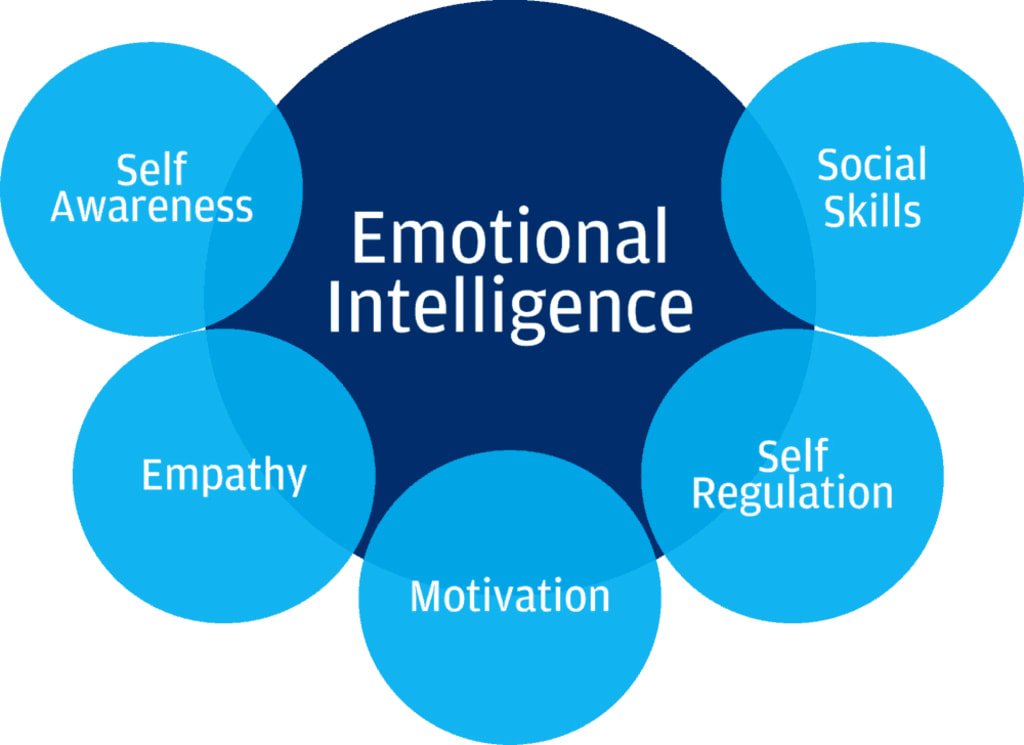
Emotional Intelligence is the capacity to recognize, understand, and manage one's emotions while also being attuned to the emotions of others. Popularized by psychologist Daniel Goleman, EI comprises five key components:
Self-Awareness: The ability to understand one’s emotions, triggers, and behavioral patterns.
Self-Regulation: The skill to control impulsive reactions and manage emotions in healthy ways.
Motivation: Staying focused on goals despite challenges, driven by intrinsic and positive motivation.
Empathy: Understanding and sharing the feelings of others to build meaningful connections.
Social Skills: Effective communication and relationship management.
These elements form the foundation of how we interact with ourselves and the world around us.
The Importance of Mind Mastery
Mind mastery refers to the ability to consciously guide your thoughts and emotions rather than letting them control you. It involves techniques like mindfulness, meditation, and cognitive restructuring to achieve mental clarity and resilience.
By mastering your mind, you can:
Reduce stress and anxiety.Cultivate a positive mindset.
Improve decision-making.Stay focused on long-term goals.
Mind mastery complements emotional intelligence by equipping individuals with tools to manage their inner world effectively.
The Connection Between Emotional Intelligence and Mind Mastery
Emotional intelligence and mind mastery are deeply interconnected. While emotional intelligence focuses on awareness and interaction with emotions, mind mastery provides the techniques to control and channel those emotions positively. Together, they empower individuals to manage thoughts and feelings, leading to enhanced emotional and mental well-being.
For example, when faced with criticism, emotional intelligence allows you to identify feelings of frustration or hurt, while mind mastery enables you to respond calmly and constructively instead of reacting impulsively.
Strategies for Building Emotional Intelligence
Developing emotional intelligence is a lifelong process that requires practice and reflection. Here are some strategies:
Practice Self-Reflection:
Take time to analyze your emotions and identify patterns. Journaling can help you track triggers and responses.
Develop Empathy:
Listen actively to others without judgment, and try to understand their perspective. This builds stronger relationships.
Enhance Communication Skills:
Express your emotions clearly and assertively while being mindful of others' feelings.
Seek Feedback:
Ask trusted friends or colleagues for feedback on how you handle emotions and relationships.
Learn to Manage Stress:
Practice techniques like deep breathing, yoga, or mindfulness to regulate stress and maintain emotional balance.
Techniques for Mind Mastery
Mind mastery requires consistent effort and the adoption of techniques to train your mind.
Mindfulness Meditation:
Spend a few minutes daily focusing on the present moment without judgment. This practice reduces stress and improves focus.
Cognitive Reframing:
Challenge negative thoughts and replace them with empowering beliefs. For example, shift “I can’t do this” to “I’ll give this my best effort.”
Visualization:
Imagine yourself achieving your goals and overcoming obstacles. Visualization enhances motivation and confidence.
Gratitude Practice:
Reflect on things you’re grateful for each day. This cultivates a positive mindset and reduces negativity.
Set Mental Boundaries:
Learn to say no to tasks or situations that drain your energy unnecessarily. Protecting your mental space is key to mind mastery.
Benefits of Emotional Intelligence and Mind Mastery
Improved Relationships:
By understanding and managing emotions, you can communicate effectively and build deeper connections with others.
Better Decision-Making:
Mind mastery helps you stay calm under pressure, allowing you to make thoughtful and rational decisions.
Enhanced Resilience:
Emotional intelligence and mind mastery equip you to bounce back from setbacks and handle stress constructively.
Personal Growth:
Together, these skills foster self-awareness and a growth mindset, enabling you to unlock your full potential.
Professional Success:
In the workplace, emotional intelligence enhances teamwork, leadership, and conflict resolution, making it a critical asset for career advancement.
Challenges and How to Overcome Them
Lack of Awareness:
Many people are unaware of their emotional triggers. Overcome this by practicing daily self-reflection.
Resistance to Change:
Changing habits and thought patterns can be uncomfortable. Start small and celebrate progress to stay motivated.
External Stressors:
Life's challenges can overwhelm even the most emotionally intelligent individuals. Regular stress management practices can help maintain balance.
Conclusion
Emotional intelligence and mind mastery are essential skills for navigating the complexities of life. By learning to manage thoughts and emotions, individuals can achieve greater clarity, build stronger relationships, and lead a more fulfilling life.
In a world where external circumstances are often beyond our control, mastering the inner world of thoughts and feelings gives us the power to thrive. By embracing these practices, you can unlock your potential and create a path toward lasting success and happiness.
About the Creator
Keep reading
More stories from writers in Education and other communities.
A New Story About Henry Blair
Henry Blair rose before the sun most mornings, long before the fields warmed under the Maryland sky. As a free Black farmer in the early 1800s, he understood the land as if it were kin — stubborn at times, generous at others, and always demanding more from a man than daylight could give.
By TREYTON SCOTT3 days ago in Education
Where to Hunt Big Game: Top U.S. States for Deer and Trophy Hunting Adventures
Hunting has always been a big part of American outdoor life. Every year, hunters plan trips across the country to hunt whitetail deer, elk, mule deer, and other large game. The search for trophy bucks and unforgettable hunts is more than just a sport; it’s a passion. For hunters who dream of the perfect trip, choosing the right state can make all the difference.
By Kyle Vandermolen4 days ago in Education




Comments
There are no comments for this story
Be the first to respond and start the conversation.