
Embracing Technology to Transform the Modern Classroom | Amizur Nachshoni
The Strategic Role of Technology in Today's Classroom.

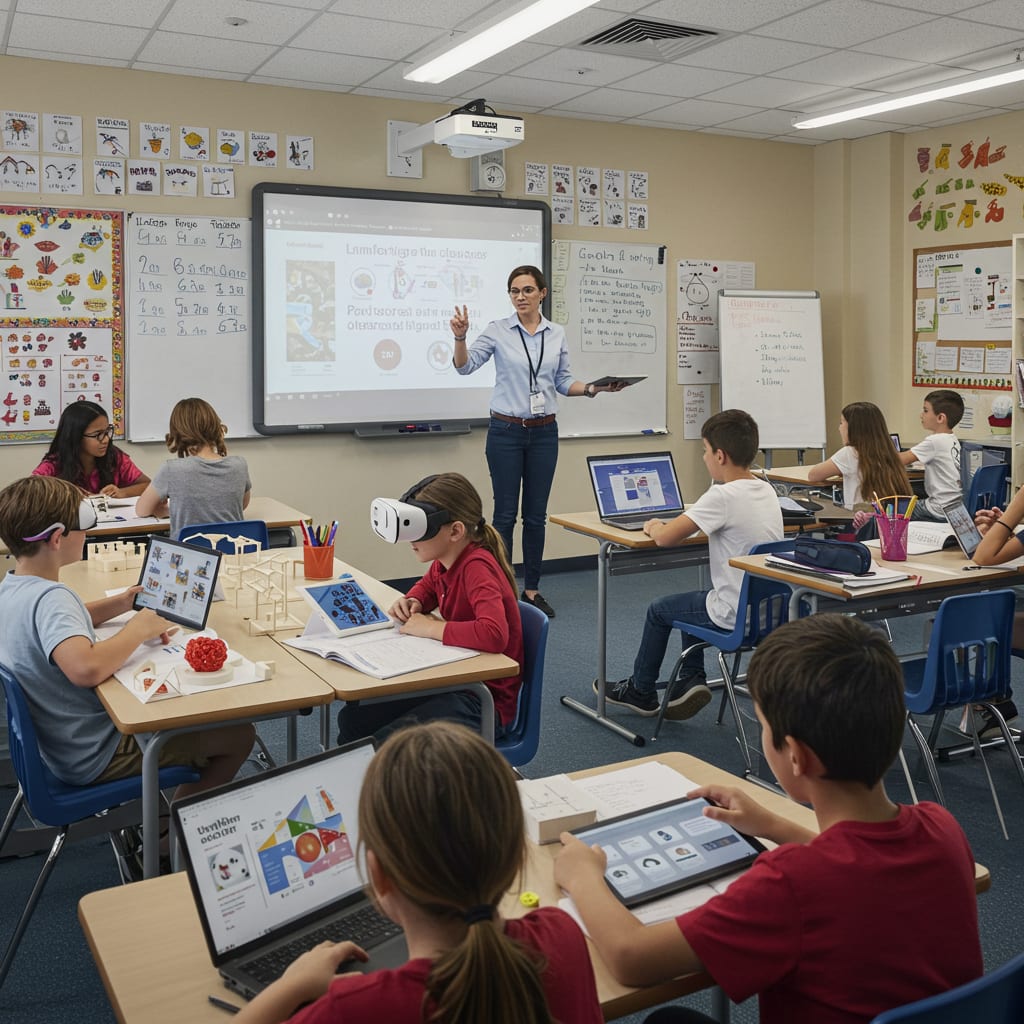
Remember the days of dusty chalkboards and the rhythmic scratching of pens on paper? While those foundational elements still hold a certain charm, the modern classroom is increasingly becoming a dynamic landscape interwoven with the threads of technology. From interactive whiteboards that bring lessons to life to tablets that hold a universe of information, technology is no longer a futuristic novelty but a powerful tool reshaping how we teach and how students learn.
But the integration of technology in education isn't simply about replacing old tools with new gadgets. It's about strategically leveraging these digital resources to enhance engagement, personalize learning experiences, and equip students with the skills they need to thrive in an increasingly digital world. When implemented thoughtfully, technology can unlock a wealth of opportunities, making learning more interactive, accessible, and relevant for today's learners.
More Than Just Shiny Gadgets: The Profound Benefits of Tech Integration
It's easy to get caught up in the allure of the latest tech trends, but the true power of technology in the classroom lies in its ability to enhance the core principles of education. Here's a closer look at some of the significant benefits:
- Boosting Engagement and Motivation: Let's face it, for many students, the digital world holds a powerful allure. Integrating technology, when done well, can tap into this inherent interest, making learning more interactive, dynamic, and fun. Think of the excitement of exploring a historical site through a virtual reality tour or collaborating on a project using a shared online document.
- Personalizing the Learning Journey: One size rarely fits all in education. Technology offers incredible opportunities to tailor learning experiences to individual student needs and paces. Adaptive learning platforms, for instance, can adjust the difficulty of content based on a student's progress, ensuring they are challenged but not overwhelmed.
- Expanding Access to Information and Resources: The internet has democratized access to an unprecedented amount of information. Technology in the classroom can connect students to a vast library of resources, from primary source documents to expert interviews, enriching their learning beyond the confines of a single textbook.
- Fostering Collaboration and Communication: Digital tools provide seamless avenues for students to collaborate on projects, share ideas, and communicate effectively, both within and beyond the classroom walls. Online platforms, shared documents, and video conferencing tools can foster teamwork and develop essential communication skills for the 21st century.
- Developing Essential Digital Literacy Skills: In today's world, digital literacy is no longer an optional skill but a fundamental requirement for success. Integrating technology into the curriculum provides students with hands-on opportunities to develop these crucial skills, from evaluating online sources to using digital tools responsibly and ethically.
- Making Learning More Visual and Interactive: Many students are visual learners, and technology offers a plethora of ways to present information in engaging visual formats. Interactive simulations, educational videos, and graphic organizers can help students grasp complex concepts more easily and retain information more effectively.
- Providing Immediate Feedback and Assessment: Technology can streamline the assessment process, providing students with immediate feedback on their work. Online quizzes, interactive exercises, and automated grading tools can help students identify areas for improvement in a timely manner, fostering a more iterative learning process.
- Bridging the Gap Between School and the Real World: Today's students are digital natives, and integrating technology into the classroom helps bridge the gap between their familiar digital world and their learning environment, making education feel more relevant and preparing them for the technology-driven world they will inherit.
Weaving Tech into the Fabric of Learning: Practical Strategies for Educators
The key to successful technology integration lies not in simply using technology for technology's sake, but in thoughtfully weaving it into the existing curriculum to enhance learning outcomes. Here are some practical strategies for educators:
- Start with Clear Learning Goals: Before introducing any technology, clearly define the learning objectives you want to achieve. The technology should serve as a tool to help students reach those goals, not the other way around.
- Choose the Right Tools for the Job: Not all technology is created equal. Carefully evaluate different digital tools and select those that best align with your learning objectives and your students' needs. Consider factors like ease of use, accessibility, and pedagogical value.
- Provide Adequate Training and Support: Ensure both teachers and students have the necessary training and support to effectively use the chosen technologies. This might involve professional development for educators and clear tutorials or guidance for students.
- Model Effective Technology Use: As educators, it's crucial to model responsible and effective technology use. Show students how you use digital tools for research, communication, and organization.
- Encourage Active Learning and Collaboration: Design activities that encourage students to actively engage with the technology and collaborate with their peers. Think beyond passive consumption of digital content and focus on creation, problem-solving, and communication.
- Integrate Technology Across the Curriculum: Technology integration shouldn't be confined to a single subject or a specific time slot. Look for opportunities to weave technology into various aspects of the curriculum to make learning more interconnected and relevant.
- Foster Digital Citizenship: As students engage with technology, it's essential to teach them about digital citizenship, including online safety, responsible use, ethical behavior, and critical evaluation of online information.
- Embrace Flexibility and Experimentation: The landscape of technology is constantly evolving. Be open to experimenting with new tools and approaches, and be prepared to adapt your strategies as needed.
- Seek Feedback and Reflect: Regularly solicit feedback from students and colleagues about the effectiveness of technology integration. Reflect on what's working well and what could be improved.
The Empowered Classroom of Tomorrow
The integration of technology in the classroom is an ongoing journey, one that requires thoughtful planning, ongoing professional development, and a commitment to using these powerful tools to create more engaging, personalized, and effective learning experiences for all students. When we move beyond simply wiring the classroom and focus on wiring the wonders of learning, we empower the next generation with the skills and knowledge they need to thrive in the digital age and beyond.
#edtech #technologyintegration #classroomtechnology #digitallearning #education #elearning #teachingwithtechnology #AmizurNachshoni #21stcenturyskills #personalizedlearning #innovativeeducation
About the Creator
Teacher Ami - Amizur Nachshoni
Teacher Ami, aka Amizur Nachshoni, is passionate about the world of education and helping students thrive.
Keep reading
More stories from Teacher Ami - Amizur Nachshoni and writers in Education and other communities.
Beyond the Bus Ride: Why Connecting with Students on School Trips Matters | Amizur Nachshoni
The rumble of the bus tires, the excited chatter bubbling through the seats, the electric anticipation of a new adventure – school trips often become vibrant, cherished snapshots in our memory albums. But tucked within the planned activities and the whirlwind of sightseeing lies a golden opportunity, often overlooked: the chance for educators to weave deeper connections with their students. These seemingly small, informal moments can ripple outwards, profoundly impacting learning, trust, and the very fabric of the school experience.
By Teacher Ami - Amizur Nachshoni11 months ago in Education
Why the Sun Will Never Go Supernova: The Science Explained
What Is a Supernova? A supernova is a massive stellar explosion that occurs at the end of a star’s life cycle. During a supernova, a star can briefly outshine an entire galaxy and release more energy than our Sun will produce in its entire lifetime.
By shahkar jalal5 days ago in Education
How I Minimized My Digital Shadow Without Disappearing From the Internet
A few months ago, I did something uncomfortable. I searched my own name. Not just on Google. I checked social media platforms, old forums, public directories, and even usernames I used years ago. I searched my email address. I searched my phone number. I wanted to see what someone else could see.
By Stephano kambeta6 days ago in Education


Comments
There are no comments for this story
Be the first to respond and start the conversation.