
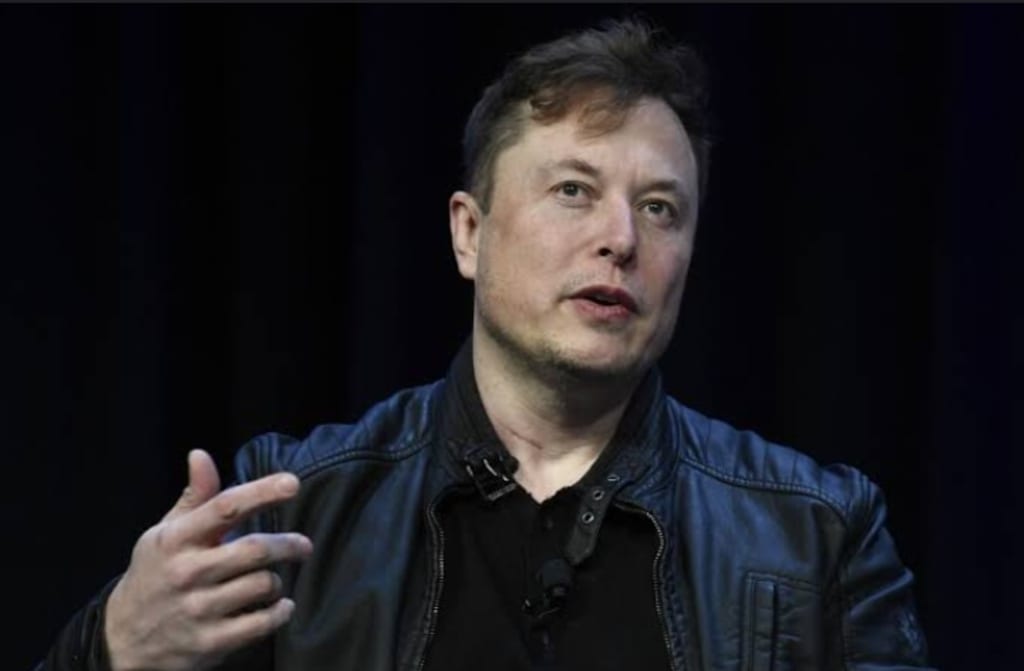
Elon Musk is a South African-born entrepreneur and visionary who has become one of the most influential figures in the modern technology industry. With a penchant for innovation and a relentless drive to push the boundaries of what's possible, Musk has become synonymous with the cutting-edge fields of space exploration, electric vehicles, and renewable energy.
Musk was born in Pretoria, South Africa in 1971. From a young age, he showed a keen interest in science and technology, teaching himself how to code at the age of just twelve. After completing high school, he moved to the United States to attend college, eventually earning degrees in both physics and economics.
Musk's early career was marked by a string of successful startups, including Zip2, an early online city guide that he founded in 1995. Just four years later, he sold the company for a staggering $307 million, cementing his reputation as a rising star in the tech world.
But it was Musk's next venture, PayPal, that would truly put him on the map. In 1999, he co-founded the company with a team of fellow entrepreneurs, and over the next several years, it grew into one of the most popular and widely-used online payment systems in the world. When PayPal was acquired by eBay in 2002, Musk's personal fortune grew to over $100 million.
But instead of resting on his laurels, Musk began to look toward even bigger and more ambitious projects. In 2002, he founded SpaceX, with the goal of developing technologies that could make space travel more affordable and accessible. With the company's Falcon 1 rocket, SpaceX became the first privately-funded organization to send a spacecraft into orbit. And in 2012, the company's Dragon spacecraft became the first commercial vehicle to dock with the International Space Station.
Musk's other major venture is Tesla, a company he founded in 2003 with the goal of revolutionizing the automobile industry. Tesla's electric vehicles have since become some of the most sought-after cars on the market, offering a combination of sleek design, high performance, and cutting-edge technology. And with the introduction of the Model S sedan in 2012, Tesla began to garner widespread acclaim from critics and consumers alike.
But Musk's ambitions don't stop there. In recent years, he has become increasingly focused on developing new technologies that could help combat climate change and reduce our dependence on fossil fuels. In addition to Tesla's electric cars, Musk has also spearheaded the development of solar panels and batteries through his company SolarCity. And with his latest venture, the Boring Company, he's exploring new ways to improve transportation infrastructure by digging underground tunnels for cars and trains.
Beyond his business ventures, Musk is also known for his outspoken views on a variety of topics, from artificial intelligence to the future of human space exploration. He's become a prominent advocate for renewable energy and sustainable development, and has been vocal in his criticism of government policies that he sees as hindering progress in these areas.
But despite his many successes, Musk has also faced his fair share of setbacks and controversies. In 2018, for example, he came under fire for a series of tweets in which he made derogatory comments about a rescue diver who was working to save a group of trapped boys in Thailand. And in the wake of several high-profile accidents involving Tesla vehicles, Musk has faced criticism for his company's approach to safety and quality control.
Despite these challenges, however, Musk remains one of the most influential and dynamic figures in the technology industry today. With his unbridled ambition and willingness to take risks, he has proven time and again that he's not afraid to tackle some of the world's biggest problems head-on. Whether he's sending rockets to space or revolutionizing the way we think about transportation
About the Creator
Keep reading
More stories from Anurag Dixit and writers in Education and other communities.
Cherished Memories
Introduction: School is a significant chapter in our lives, a place where we grow, learn, and forge lifelong friendships. My school days were filled with joy, challenges, and a multitude of experiences that have shaped the person I am today. In this essay, I will recount my memorable school times and the invaluable lessons I learned along the way.
By Anurag Dixit3 years ago in Confessions
Why UMPCO Fasteners Still Solve Critical Aerospace Problems Today
When I started researching legacy aerospace fastener manufacturers, I wasn’t just looking for brand names—I was looking for solutions to real aviation problems. Structural failure, vibration fatigue, corrosion at altitude, and long-term reliability are challenges that every aerospace engineer eventually faces. One name that repeatedly surfaced in technical documentation and historical aerospace supply chains was UMPCO fasteners.
By Beckett Dowhan6 days ago in Education



Comments
There are no comments for this story
Be the first to respond and start the conversation.