
Electricity has become an integral part of modern society, powering everything from homes and businesses to transportation and communication systems. Its importance cannot be overstated, and advancements in technology have allowed for increasingly efficient and sustainable methods of generating, transmitting, and using this vital energy source.
History of Electricity
The study of electricity dates back to ancient times, with early civilizations such as the Greeks and Egyptians observing phenomena such as lightning and static electricity. However, it wasn't until the 18th and 19th centuries that significant progress was made in understanding and harnessing this force.
In 1752, Benjamin Franklin conducted his famous experiment with a kite and key, demonstrating that lightning was a form of electricity. This discovery paved the way for further experimentation and discovery, with scientists such as Alessandro Volta and Michael Faraday making important contributions to the field.
The development of electrical power systems began in the late 19th century, with the construction of the first power station in the United States in 1882. This marked the beginning of the modern era of electricity, with the widespread adoption of electric lighting and appliances transforming society in ways that were previously unimaginable.
How Electricity is Generated
Electricity is generated by converting various forms of energy into electrical energy. The most common method of generating electricity is through the use of generators, which convert mechanical energy into electrical energy.
There are many ways to generate mechanical energy, with some of the most common methods including the burning of fossil fuels such as coal, oil, and natural gas, as well as the use of renewable sources such as wind, solar, and hydropower.
Fossil fuel power plants use the heat generated by the burning of these fuels to create steam, which is used to power a turbine connected to a generator. In contrast, renewable energy sources use the natural energy of the wind, sun, or water to spin a turbine and generate electricity.
Transmission and Distribution of Electricity
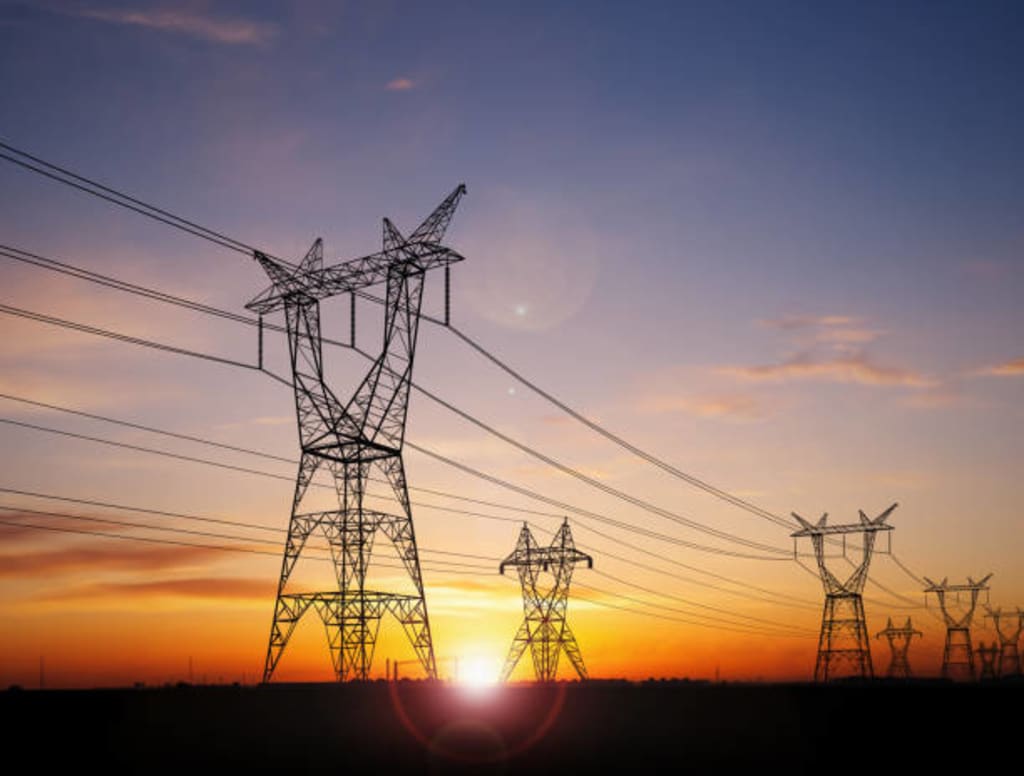
Once electricity has been generated, it must be transmitted and distributed to the areas where it is needed. This is typically done through power grids, which are networks of transmission and distribution lines that carry electricity from power plants to homes, businesses, and other locations.
Power grids are designed to be highly reliable and efficient, with many safety features built in to prevent electrical accidents and minimize downtime in the event of a power outage.
Use of Electricity
Electricity is used in countless ways throughout modern society, with the most common applications being in the areas of lighting, heating and cooling, and powering electronic devices.
In homes and businesses, electricity is used to power appliances such as refrigerators, washing machines, and televisions, as well as lighting and HVAC systems.
In the transportation sector, electricity is becoming an increasingly popular alternative to traditional fossil fuel-powered vehicles. Electric cars, buses, and trains are already in use in many parts of the world, and advancements in battery technology and charging infrastructure are expected to make them even more popular in the years to come.
Sustainability of Electricity
While electricity has brought many benefits to modern society, it also has some drawbacks, particularly in terms of its impact on the environment. The burning of fossil fuels to generate electricity releases greenhouse gases into the atmosphere, contributing to climate change.
To address this issue, there has been a growing emphasis on the development of renewable energy sources such as wind, solar, and hydropower. These sources are considered to be much more sustainable than fossil fuels, as they do not generate greenhouse gases and have a much smaller impact on the environment.
In addition to the development of renewable energy sources, there has also been a focus on improving the efficiency of electricity generation and transmission systems. This includes the use of smart grid technology, which allows for better management and monitoring of electricity use, as well as advancements in energy storage technology, which can help to reduce
About the Creator
9 Consistency Guarantees Fiber Channel Brings to Storage
Storage networks face constant pressure to deliver rock-solid performance. Your data needs to flow without interruption. Your applications demand reliability at every moment. This is where Fiber Channel steps in as your trusted ally.
By Olivia Barn4 days ago in Education
A Complete Guide to Monitoring and Automating Managed Infrastructure Performance
Modern IT environments are complex, fast-moving, and unforgiving. If your systems slow down, fail, or scale poorly, the business pays the price. That’s why monitoring and automation are not optional—they are survival tools in Managed Infrastructure.
By Prateek Sharma3 days ago in Education


Comments (1)
Nice article