
Effective Communication
The Art of Effective Communication: Mastering the Language of Connection

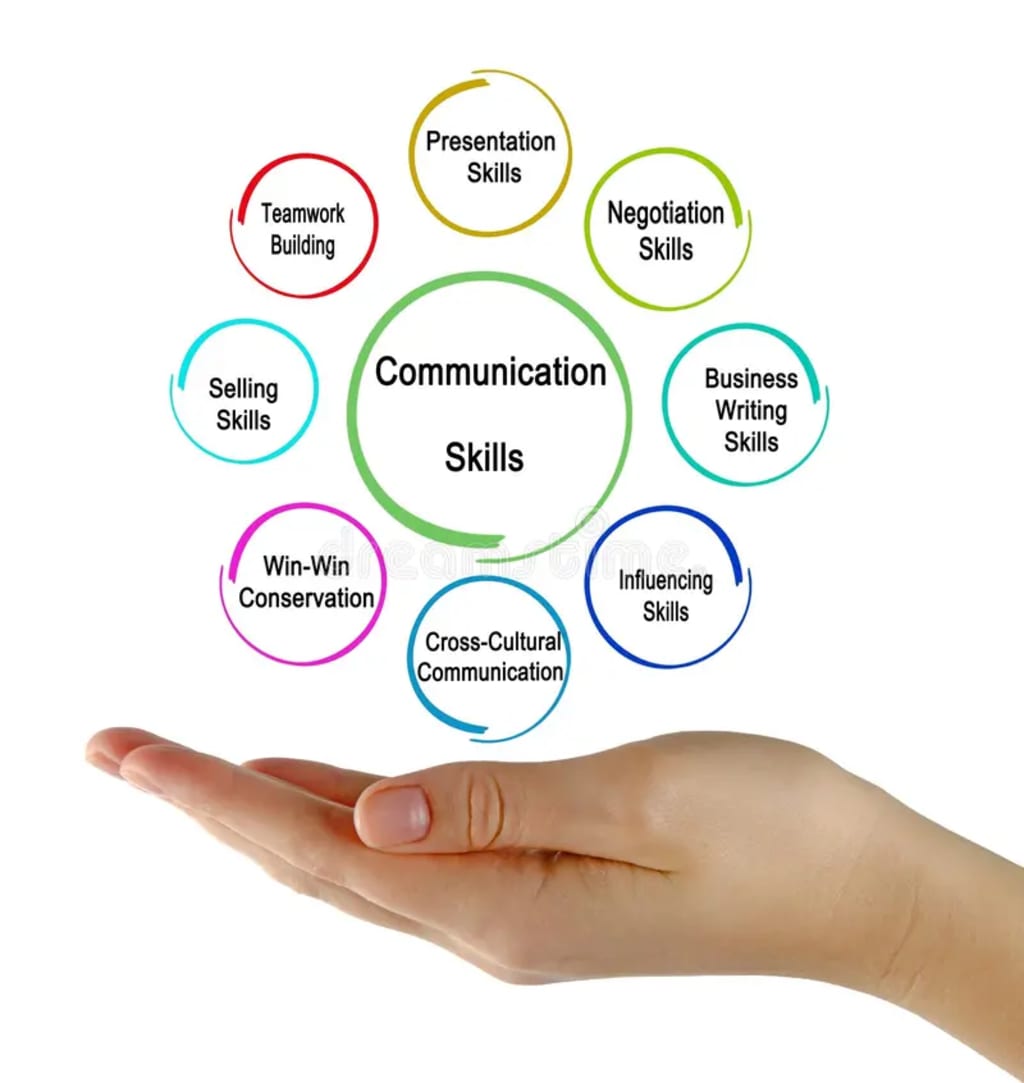
Communication that involves conveying different ideas, feelings, and information accurately is called effective communication. In other words, we can say that it is the exchange of information, thoughts and feelings from speaker to listener. Speaking and listening are both necessary for effective communication. Effective communication is very important to resolve different problems and to build strong relationships among people.
Following are the principles and strategies for effective communication.
1- Clarity:
Ensure that the words the speaker chooses are understandable, clear and focused towards the listener. When the speaker is clear in his wordings and conversations, then it avoids misunderstandings between two parties. When they are explicit, there is less chance for misunderstanding and people are less likely to get the wrong idea.
2- Attentive Listening:
Attentive listening is communication in which a person is fully concentrated and attentive to a speaker's what they are saying, and listens to him with full focus and understanding of the intentions behind them. It requires a higher level of comprehension and sensitivity. Using nonverbal indicators to show that they are actively participating in the conversation like nodding, smiling, and maintaining an open and friendly body language.
3- Understanding the Compassion:
Compassion must be understood in terms of its nature, significance, and appearance in our attitudes, deeds, and interpersonal interactions. Empathy, kindness, and a sincere care for the welfare of others are characteristics of compassion, a fundamental human quality.
Both parties should be friendly enough to understand the emotions, feelings and empathy of each other. In any situation, whether it may be fraught with anger or frustration both parties will understand their perspectives even if they disagree, this will build rapport and trust among them.
4- Body Language and Gestures:
Both in personal and professional relationships success lies behind your effective communication. Communication does not only mean the words spoken through the mouth but your nonverbal cues which are called body language and gestures come in this category as well. Body language which is frequently done automatically rather than intentionally is the use of physical behavior, expressions and mannerisms to communicate non-verbally.
In our daily lives, we interact with each other giving and receiving wordless signals every time. Body language includes physical behavior, facial expressions, mannerisms and tone of voice. These nonverbal cues give us more information us rather than spoken words.
5- Constructive Criticism and Input:
Effective communication in any situation, whether it be in a professional or personal environment, requires constructive criticism and advice. Giving constructive comments and input encourages development, learning, and greater understanding amongst people or groups.
This indicates the idea of providing suggestions and feedback continuously to facilitate improvement in a particular area. The receiver ensures efficient communication by confirming their knowledge and giving feedback. Feedback is the indication that they have understood the message that you have conveyed to them. Without giving feedback, the effective communication process would be incomplete.
6- Simplicity:
The word simplicity in effective communication emphasizes the use of words to be spoken simply. The message should be straightforward and to the point. Extraordinary, unnecessary and over-exaggeration of words should be avoided while communicating.
7- Dignity and Consideration:
Dignity and consideration encapsulate the idea of respecting and considering other people. It highlights how crucial it is to protect their inherent worth and to take into account their feelings, rights and general well-being in all interactions. Both should respect their opinions even if they disagree to avoid any criticism.
Effective communication is a dynamic and multi-dimensional ability. Effective communication is a communication skill that should developed through practice. Speaker and listener will understand their feelings, opinions, thoughts and relationships. In both professional and personal life adopting these principles can be helpful in collaboration, understanding and successful outcomes. It involves clear messaging, active listening, adaptability, and a deep understanding of the nuances of human interaction. By continually refining your communication abilities, you can build stronger connections, resolve conflicts, and achieve your goals more effectively in all aspects of life.
As Theo Gold says,
"COMMUNICATION IS YOUR TICKET TO SUCCESS IF YOU PAY ATTENTION AND LEARN TO DO IT EFFECTIVELY"
About the Creator
Iqra Babar
I am Iqra Babar. I have done Masters In English. I have a deep love for writing and a variety of writing abilities. I really think that words have the capacity to change, educate, and inspire people. I am a passionate and versatile writer.
Reader insights
Outstanding
Excellent work. Looking forward to reading more!
Top insights
Compelling and original writing
Creative use of language & vocab
Easy to read and follow
Well-structured & engaging content
Keep reading
More stories from Iqra Babar and writers in Education and other communities.
ENVIRONMENTAL POLLUTION
ENVIRONMENTAL POLLUTION Everything either living or non-living which are in our surroundings makes an environment. An environment consists of earth, air, water, plants and animals. Different pollutants that make our environment contaminated are called environmental pollution. Pollutants are different harmful substances that are the result of human activities making our natural environment dirty. Environmental pollution is life-threatening because it destroys our natural ecosystem.
By Iqra Babar2 years ago in Education
How Global Experiences Shape Smarter, More Creative Leaders
Leadership today demands more than experience and technical skill. It requires imagination, empathy, and the ability to see problems from new angles. One of the most potent ways leaders develop these qualities is through travel. When leaders step outside familiar routines, they gain insight that books and meetings cannot offer. Exposure to new cultures, environments, and ways of thinking shows clearly how creative leadership through travel can unlock ideas that change how leaders think, decide, and inspire others.
By Nathalie Kyriakouabout 11 hours ago in Education
Can You Really Earn Money With Transcription? The Real Income Reality
The short answer is yes—you can earn money with transcription. But the more honest, useful answer is this: transcription only becomes worthwhile when you understand how the income actually works, not how it’s often presented online.
By Mahesh Kumara day ago in Education




Comments
There are no comments for this story
Be the first to respond and start the conversation.