
Education, Wellness, and Stress Management: A Comprehensive Guide for Students
Thriving Through Education: Wellness and Stress Management for Students
Introduction
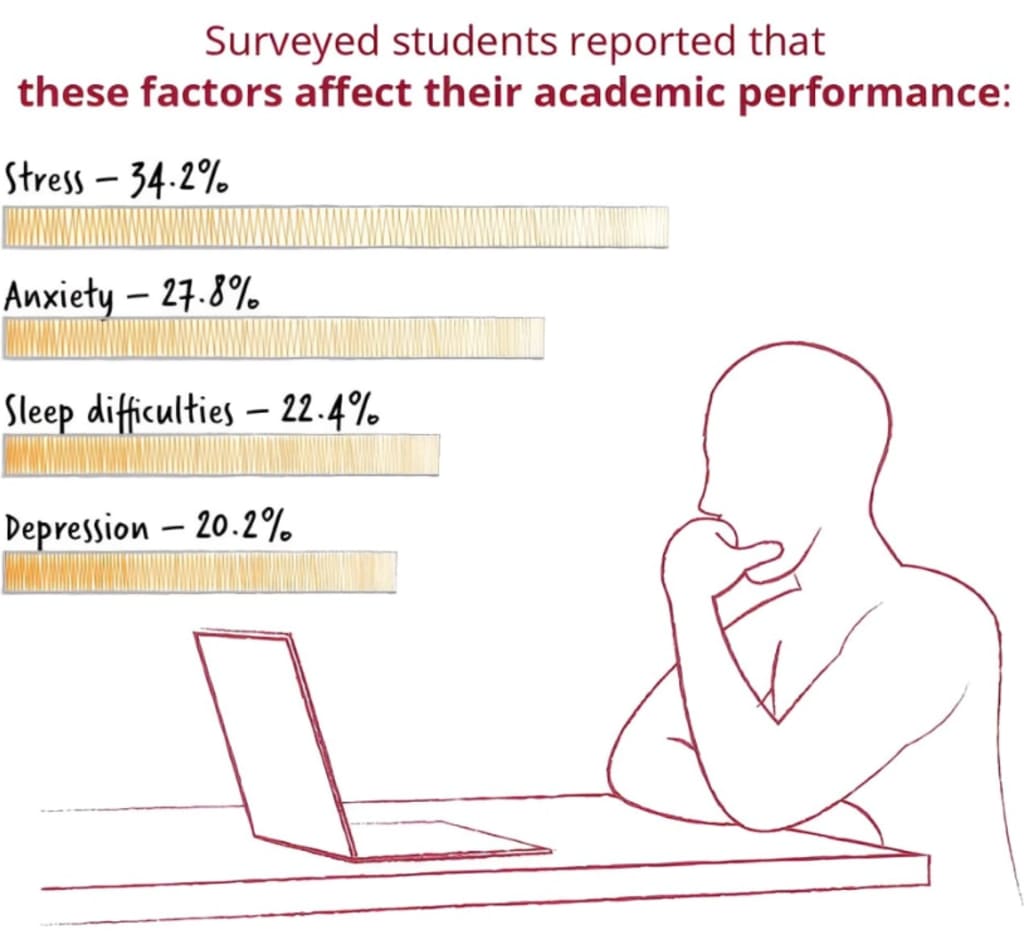
Student life, while exhilarating, can often be a source of significant stress. Balancing academics, extracurricular activities, social relationships, and personal growth can be challenging. The pressures and demands of education often lead students to neglect their health and wellness, exacerbating stress levels. Understanding the intersection of health, wellness, and education can be instrumental in successfully navigating student stress.
The Stress Factor in Student Life
Stress is a natural reaction to challenging situations. However, chronic stress can adversely affect physical and mental health. In students, stressors can range from academic pressures, time management issues, financial concerns, to social anxieties. Managing these stressors alongside educational responsibilities is a crucial skill that students need to learn.
The Role of Physical Health
Physical health is a key pillar in managing stress and maintaining overall wellness. Regular exercise, a balanced diet, and adequate sleep form the triumvirate of physical health.
Exercise boosts the production of endorphins, the body's natural mood elevators, helping to alleviate stress. It also improves concentration, enhances cognitive function, and promotes better sleep, all of which are vital for academic success.
A balanced diet, rich in essential nutrients, ensures that the brain has the necessary fuel to function optimally. Specific nutrients, such as omega-3 fatty acids, B-vitamins, and antioxidants, are known to support brain health and enhance cognitive functions.
Sleep, often sacrificed in the face of academic demands, is crucial for memory consolidation, cognitive functions, and mood regulation. Lack of sleep can lead to increased stress, reduced academic performance, and diminished physical health.
Mental and Emotional Wellness
Mental and emotional wellness are just as important as physical health in managing student stress. Mindfulness practices, such as meditation and deep-breathing exercises, can help students stay centered, reduce stress, and improve focus.
Building emotional resilience, the ability to bounce back from setbacks, is another essential aspect of stress management. Developing this resilience can involve fostering positive relationships, seeking support when needed, maintaining a balanced perspective, and practicing self-care.
The Role of Education in Promoting Health and Wellness
Education institutions play a critical role in promoting health and wellness among students. By integrating wellness programs into their curriculum, schools and universities can equip students with the necessary tools to manage stress effectively. These programs can cover a variety of topics, from nutrition and physical activity to mental health and mindfulness.
Moreover, fostering a supportive educational environment that promotes open discussions about stress and mental health can help to destigmatize these issues, encouraging students to seek help when they need it.
Holistic Learning Approach
The incorporation of a holistic learning approach, which emphasizes the development of the whole person—mental, social, emotional, and physical—can create a more balanced educational experience. This approach can include experiential learning, which promotes critical thinking and problem-solving skills, enhancing academic resilience.
Synthesis: An Integrative Culmination
Navigating the journey through education, filled with unique challenges and opportunities, can be as rewarding as it is stressful. By understanding and embracing the intersection of health, wellness, and education, students can effectively manage stress and foster a balanced lifestyle that supports their overall well-being. Prioritizing physical health through regular exercise, proper nutrition, and sufficient sleep, promoting mental wellness through mindfulness practices and emotional resilience, and seeking a supportive, inclusive educational environment are all critical elements in this journey.
Moreover, the role of educational institutions in advocating for student wellness, providing resources and cultivating an environment that encourages open conversations about stress and mental health cannot be overstated. As schools and universities incorporate comprehensive wellness programs into their curricula, they equip students with the tools to handle stress, fostering not only academic success but also lifelong healthy habits.
In the end, the intertwined elements of health, wellness, and education form the foundation of a holistic student life. They might seem challenging to balance, but with the right strategies and supports in place, students can not only excel acadically but also maintain their overall well-being. The process of integrating health and wellness into education is not just about creating successful students, but more importantly, it's about nurturing balanced, healthy individuals who are prepared to face life's challenges beyond the school walls.
About the Creator
Fazli Olmez
Passionate about exploring life's mysteries, tech, and the power of words. Join me as we co-create a world of innovation and vivid imagination. Let's embark on this journey together!
Keep reading
More stories from Fazli Olmez and writers in Education and other communities.
Embracing a Holistic Approach to Health and Wellness in the 21st Century.
Introduction Health and wellness in the 21st century are no longer narrowly defined by physical fitness or absence of illness. Rather, it has evolved into a holistic view that encompasses physical, mental, and emotional well-being, underpinned by healthy lifestyles, balanced nutrition, mindfulness, and a strong sense of purpose. It's about feeling good in your body, having energy, and maintaining a positive mindset. Let's delve deeper into this holistic approach to health and wellness.
By Fazli Olmez3 years ago in Education
IQ Tests and the Human Mind: A Deeper Look
The human mind has fascinated scientists, philosophers, and educators for centuries. One of the most widely known tools for exploring human intelligence is the IQ test. Today, with easy access to an iq test free online, millions of people are discovering more about their cognitive abilities. But what do IQ tests really tell us about the human mind, and how should we interpret their results? Taking a deeper look reveals both the strengths and limitations of IQ testing in understanding intelligence.
By Fast Learner2 days ago in Education




Comments
There are no comments for this story
Be the first to respond and start the conversation.