
Education in the Time of Corona
How Students Can Keep Learning During School Closures

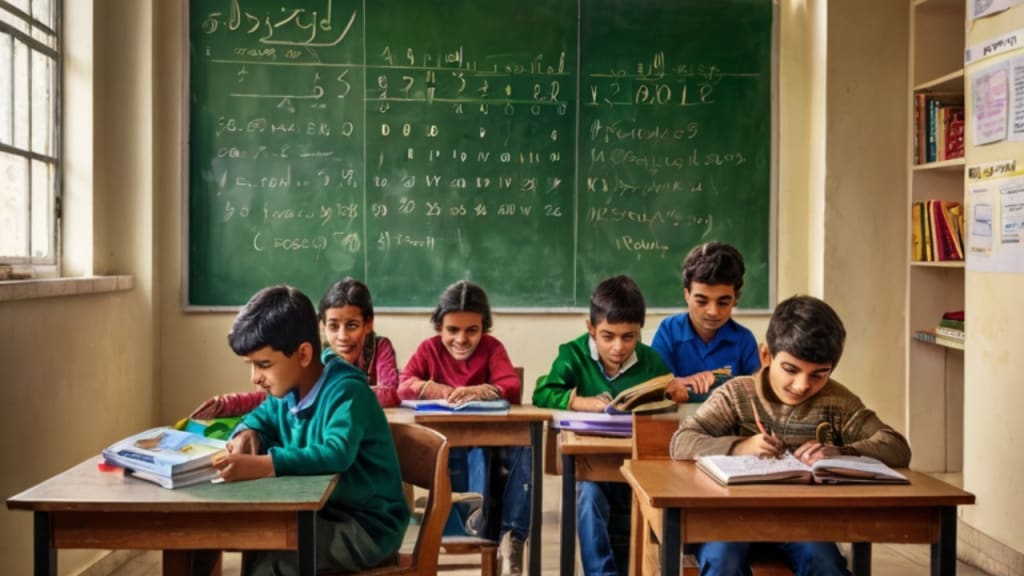
Dear Children
BY:Khan
In light of the second wave of the coronavirus in Pakistan, the government made an important decision: from November 26 until January 11, all educational institutions across the country would remain closed. This order would take effect immediately and continue to be enforced until January 31, 2021.
Several district-level education heads supported this decision. Their argument was simple yet serious: coronavirus cases were rising rapidly, and the lives of both students and teachers were at risk. According to them, the most responsible step was to announce vacations for the time being and extend the academic year later.
But, dear children, let me share something with you. In countries like the United States, the United Kingdom, China, Japan, and dozens of others, schools and universities were also shut down due to the threat of the coronavirus. Yet, learning did not come to a halt. Instead, those countries found a way to keep the wheel of education turning. Not only did their students continue to receive regular lessons, but examinations were also conducted— all through online education.
The World Health Organization (WHO) had already declared COVID-19 a global pandemic. In response, trillions of dollars were allocated worldwide to fight the virus. Restrictions were placed on major events, seminars, and public gatherings almost everywhere. In this situation, the greatest potential loss was not only economic but also educational. Recognizing this, many countries adopted online learning systems in time and prevented the collapse of education.
Now, when we turn back to Pakistan, it may appear on the surface that the situation was somewhat under control. However, as new cases kept being reported every day, it was clear that the government needed to remain vigilant and fully prepared. No matter how severe the emergency might become, the process of learning must not stop. For that, our education department needed to adopt modern methods and technologies. The syllabus being taught in classrooms had to be moved online. And let me assure you— this is not an impossible task.
In fact, even before the pandemic, the Punjab IT Board had already introduced a mobile application and a web portal under the name “eLearn”. This platform had been available on the internet for about three years. It contained digital versions of textbooks from Grade 1 to Grade 12. These were not ordinary scanned books. They were designed in a highly interactive way, making it possible for students to study and understand their lessons without the help of a tutor. Concepts were explained through videos, animations, and audio examples so that learners could grasp them easily.
Therefore, children who study under the Punjab Textbook Board syllabus had no reason to sit idle during these holidays. Instead of wasting time listening to endless coronavirus news or gossiping about the pandemic, they were encouraged to maintain a healthy routine and make use of the resources already available.
If a household had more than one child, the older siblings could help teach the younger ones. Likewise, neighbors could come together by creating WhatsApp study groups. Through these groups, students could schedule their daily lessons, share notes, and even explain difficult concepts via video calls. By doing so, not only would the syllabus continue to be covered, but children would also become more skilled in using modern technology. Most importantly, they would not fall into the trap of idleness.
In our society, the word “holiday” is often misunderstood. For many people, it immediately translates into outings, parties, sleeping for long hours, or visiting relatives. This mindset, however, is not productive. Even on regular weekends, countless people waste their time lying around, believing they are enjoying a “relaxing weekend.”
But let me give you a different perspective. If you ask a laborer about his holiday, he would tell you that his body actually aches more on his day off. Why? Because on working days, his body remains active and strong, but when he doesn’t work, the inactivity brings pain. This teaches us something important: rest is good, but only when used wisely. Unused time can become a burden.
The same applies to students and office workers. A holiday should not be seen as an escape from life but as an opportunity to do something positive and meaningful.
When I asked several parents what their children would do during the long closure of schools, many of them appeared worried. They confessed that they had no idea how their kids would spend so much time at home. “The older ones will somehow study on their own,” they said, “but what about the younger ones? How do we manage them?”
The answer is simple, dear children. The younger ones should continue reading their books regularly. They can also watch educational cartoons or creative videos, but they must avoid spending excessive time glued to the television or mobile screens. Entertainment is fine, but it must be balanced with learning.
Remember, knowledge is the light that guides us even in the darkest times. If you let these holidays pass in laziness, it will be very hard to catch up later. But if you choose to use your time wisely, you will not only stay ahead in your studies but also develop habits that will benefit you throughout life.
Most importantly, do not forget the power of prayer. Alongside your studies and routines, turn to Allah with sincerity. Pray that this dangerous pandemic comes to an end, that people remain safe, and that life returns to normal. Nothing is more powerful than asking for Allah’s protection and mercy.
So, dear children, let us make a promise:
We will not waste our holidays.
We will continue our studies through online platforms, books, and discussions.
We will help our siblings and friends learn.
We will use technology positively.
And above all, we will pray for the safety of our families, our country, and the world.
May Allah protect us all from this disease. Ameen.
About the Creator
How Global Experiences Shape Smarter, More Creative Leaders
Leadership today demands more than experience and technical skill. It requires imagination, empathy, and the ability to see problems from new angles. One of the most potent ways leaders develop these qualities is through travel. When leaders step outside familiar routines, they gain insight that books and meetings cannot offer. Exposure to new cultures, environments, and ways of thinking shows clearly how creative leadership through travel can unlock ideas that change how leaders think, decide, and inspire others.
By Nathalie Kyriakou2 days ago in Education
Can You Really Earn Money With Transcription? The Real Income Reality
The short answer is yes—you can earn money with transcription. But the more honest, useful answer is this: transcription only becomes worthwhile when you understand how the income actually works, not how it’s often presented online.
By Mahesh Kumar3 days ago in Education



Comments
There are no comments for this story
Be the first to respond and start the conversation.