
Early Signs of Tooth Decay: How to Spot Trouble Before It’s Too Late
Spotting Early Signs to Protect Your Smile

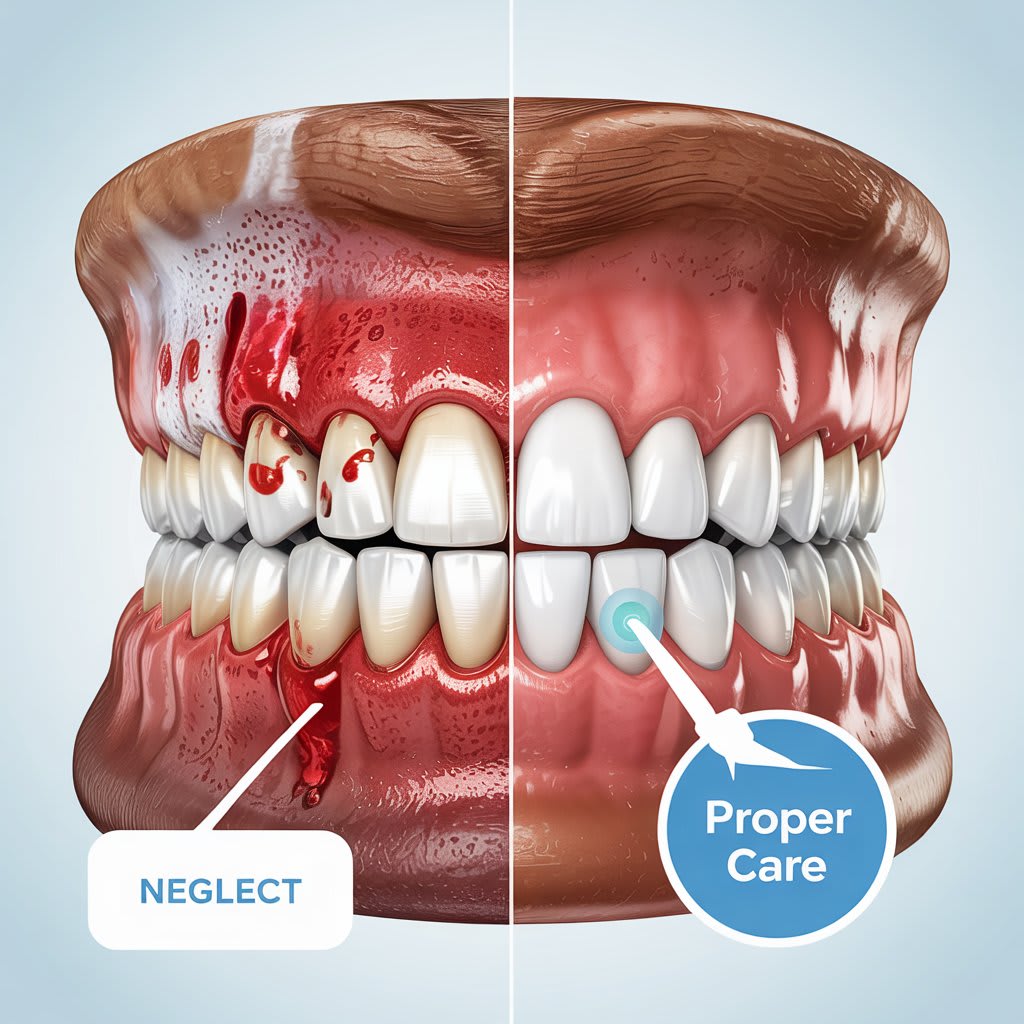
Imagine this: You’re sipping your morning coffee when a sudden twinge of pain shoots through your tooth. You brush it off, but days later, the discomfort lingers. Could it be a cavity? Tooth decay is one of the most common health issues worldwide, affecting 92% of adults aged 20–64, according to the National Institute of Dental and Craniofacial Research. Yet, many people ignore its early warnings until irreversible damage occurs.
In this post, we’ll break down the early signs of tooth decay, explain why catching them matters, and share actionable tips to protect your smile. Whether you’re a busy parent, a young professional, or simply proactive about oral health, this guide will empower you to stay ahead of cavities—and avoid costly dental bills.
What Is Tooth Decay? (And Why Early Detection Matters)
Tooth decay occurs when harmful bacteria in your mouth feed on sugars from food, producing acid that erodes your tooth enamel. Over time, this acid creates tiny holes (cavities) that can deepen into painful infections.
Catching decay early is critical because:
- Enamel can repair itself in the initial stages with proper care.
- Untreated decay often leads to root canals, extractions, or even systemic health issues like heart disease.
- Early intervention saves time, money, and discomfort.
6 Early Signs of Tooth Decay You Should Never Ignore
Here’s what to watch for—before that minor issue becomes a major problem:
1. White or Brown Spots on Teeth
- What it looks like: Chalky white patches or brown stains, often near the gumline or between teeth.
- Why it happens: These spots signal enamel demineralization, the first stage of decay. Acid has begun leaching minerals from your enamel, weakening its structure.
Action step: Use fluoride toothpaste to remineralize enamel. Ask your dentist about sealants for added protection.
2. Tooth Sensitivity
- What it feels like: Sharp pain when eating hot, cold, or sweet foods.
- Why it happens: Thinning enamel exposes dentin, the sensitive layer beneath. Even minor decay near the gumline can trigger this.
Action step: Switch to a desensitizing toothpaste. Avoid acidic drinks like soda or citrus juices.
3. Bad Breath That Won’t Quit
- What to notice: Persistent bad breath (halitosis) despite brushing.
- Why it happens: Decay-causing bacteria release foul-smelling gases as they break down food particles.
Action step: Floss daily to remove trapped debris. Consider an antimicrobial mouthwash.
4. Visible Pits or Holes
- What to check: Tiny dark spots or holes on the chewing surfaces of molars.
- Why it happens: These are early cavities. Without treatment, they’ll grow deeper.
Action step: Schedule a dental exam ASAP. Small cavities can often be treated with simple fillings.
5. Pain When Biting Down
- What it feels like: Discomfort when chewing, especially with harder foods.
- Why it happens: Decay may have reached the inner tooth layer (dentin) or caused a hairline crack.
Action step: Avoid chewing on the affected side until a dentist evaluates it.
6. Gum Inflammation Around a Tooth
- What to look for: Red, swollen, or bleeding gums near a specific tooth.
- Why it happens: Decay at the tooth’s base can irritate the gums, mimicking gingivitis.
Action step: Improve flossing habits. Rule out abscesses with a dental visit.
How to Prevent Tooth Decay: 5 Pro Tips
- Brush smarter: Use a soft-bristled toothbrush and fluoride toothpaste twice daily. Angle bristles at 45 degrees to clean the gumline.
- Floss like a boss: Clean between teeth daily to disrupt plaque buildup.
- Rethink snacks: Swap sugary treats for cheese, nuts, or crunchy veggies.
- Stay hydrated: Water rinses away food particles and balances mouth pH.
- Visit your dentist: Biannual cleanings catch early decay you might miss.
FAQs: Your Top Tooth Decay Questions, Answered
Q: Can tooth decay heal on its own?
A: Yes—if caught early! Remineralizing toothpaste and fluoride treatments can reverse minor enamel damage. Once a cavity forms, though, you’ll need professional care.
Q: Are children more prone to decay?
A: Absolutely. Kids’ enamel is thinner, and sugary snacks or poor brushing habits raise their risk. Sealants and fluoride varnish can protect their teeth.
Q: Does fluoride really help?
A: 100%. Fluoride strengthens enamel and fights acid attacks. Most tap water contains fluoride, but ask your dentist if you need supplements.
Q: What if I don’t feel pain but see a dark spot?
A: Don’t wait for pain! Pain often means decay has reached the nerve. Schedule a checkup immediately.
Final Thoughts: Your Smile Deserves Vigilance
Tooth decay doesn’t announce itself with fireworks—it creeps in quietly. By recognizing its early signs (like sensitivity, spots, or bad breath) and acting fast, you can preserve your natural teeth and avoid complex treatments.
As a dental hygienist with over a decade of experience, I’ve seen patients transform their oral health by staying proactive. Your next step? Book that dental checkup you’ve been postponing, or share this post with someone who’d benefit. After all, a healthy smile is a team effort!
Loved this guide? Subscribe to our newsletter for more tips on keeping your smile bright—or drop a comment below with your biggest oral health win!
About the Creator
Epic Vibes
✨ Welcome to Epic Vibes Blog! 🌟 Explore diverse insights and trending topics. From the latest buzz to hidden gems across various realms, we bring you fresh, engaging content. Stay ahead with us! 🚀
Keep reading
More stories from Epic Vibes and writers in Education and other communities.
One Month Before a Heart Attack, Your Body May Warn You of These 7 Critical Signs
The Silent Signals You Can’t Afford to Ignore Every 40 seconds, someone in the U.S. has a heart attack. While many assume cardiac events strike suddenly, research reveals that your body often sends distress signals weeks in advance—subtle clues that, if recognized, could save your life. In this article, we’ll uncover the 7 critical warning signs your body may display one month before a heart attack, blending expert insights, real patient stories, and actionable advice. Whether you’re at risk or simply proactive about health, this guide equips you with the knowledge to act before it’s too late.
By Epic Vibes10 months ago in Education
Why Great Customer Service Is Non-Negotiable for Modern Businesses
Excellent customer service is no longer something businesses can choose to offer later. It is a basic requirement in today’s fast-moving market. Customers expect respect, clear communication, and fast solutions. When they do not get these things, they leave. This is why excellent customer service is non-negotiable for businesses that want to survive and grow.
By Apex Service Partners7 days ago in Education
The Devil's Cut
“Comrade, finally you’re awake.” The voice was smooth, sensual. A flickering incandescent bar was all that lit the white, sterile room. All Vladimir remembered was everything going black. He tried to move his arms and found them strapped to the gurney.
By Matthew J. Fromm5 days ago in Fiction


Comments
There are no comments for this story
Be the first to respond and start the conversation.